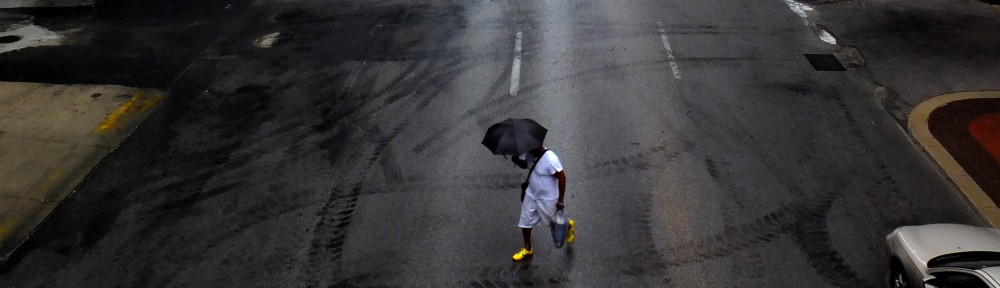
fog, cats, dogs, walnuts

By chance, I heard the weather forecast last night. ‘Fog advisories for the morning; commuters should be alert.’ So I set my alarm for six o’clock ante meridiem—telling myself I’d go to bed early, which of course I failed to do. So there’s me at 6am, looking out the window and not seeing a bit of fog through the dark. Nothing. So I booted up my computer, went to work, and didn’t look out the window again until around eight o’clock.

And we had fog.

I’d completely failed to consider the mechanics of fog production. By 8:15 I was on my bicycle, by 8:30 I was on the bike path that ran along the creek.
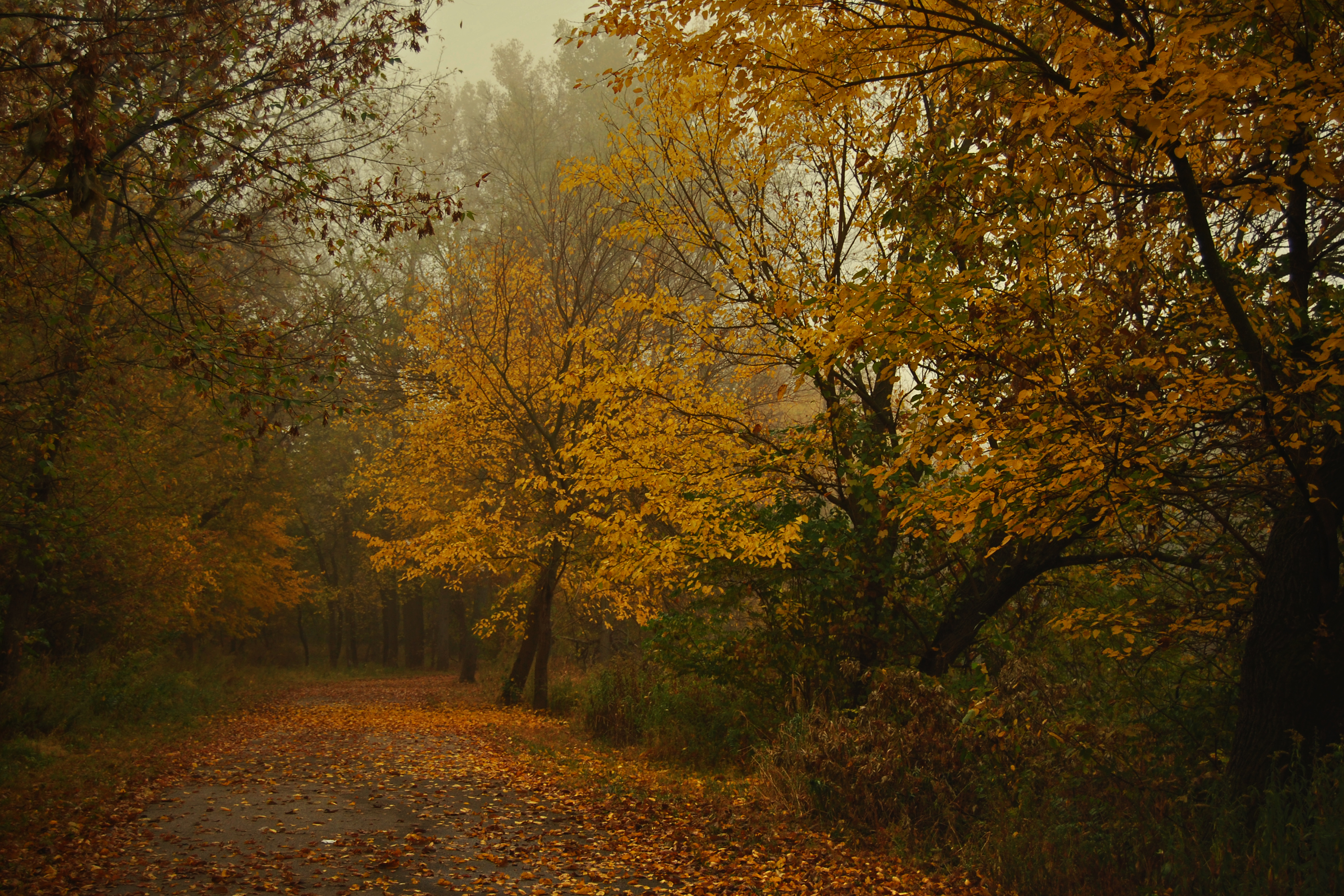
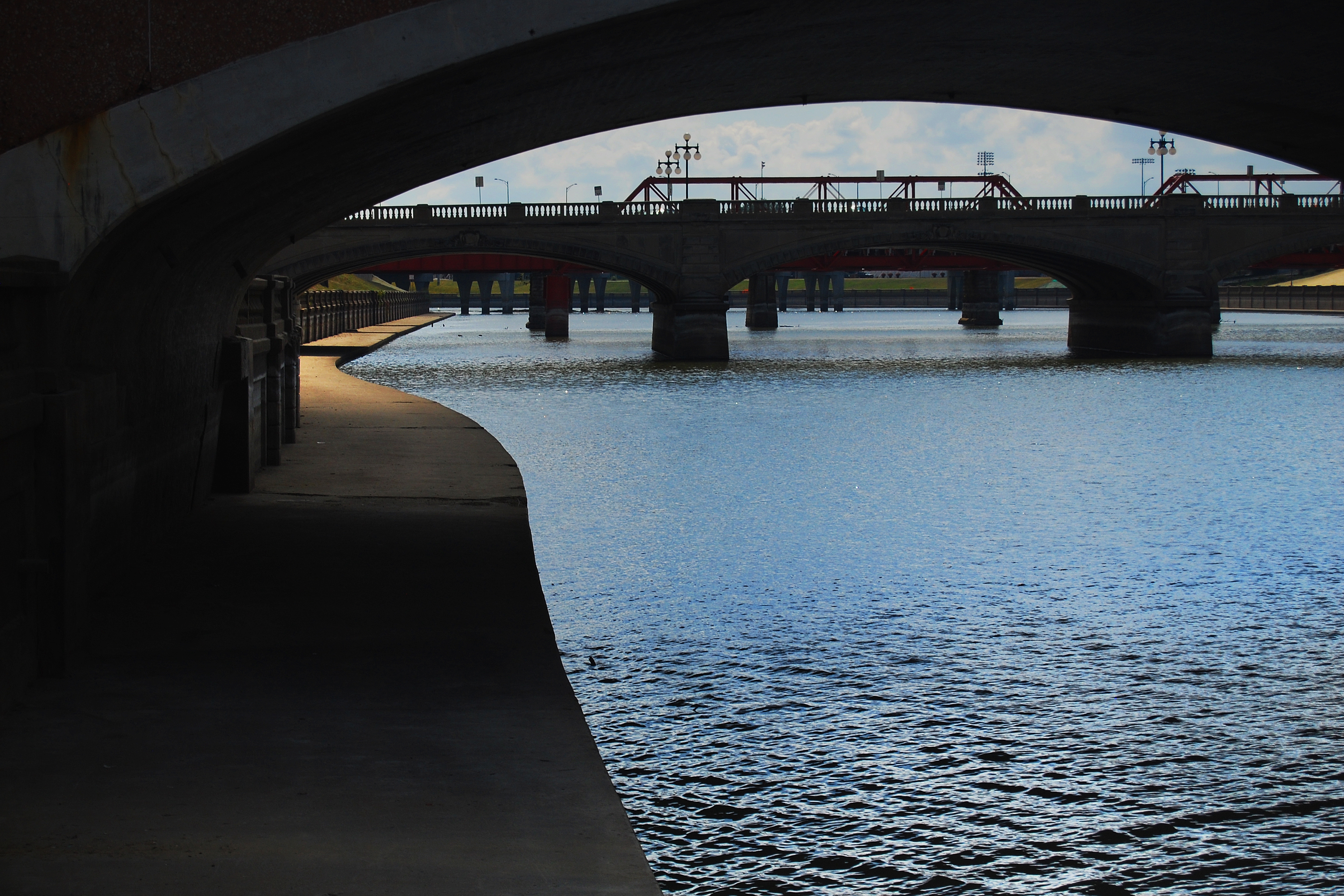
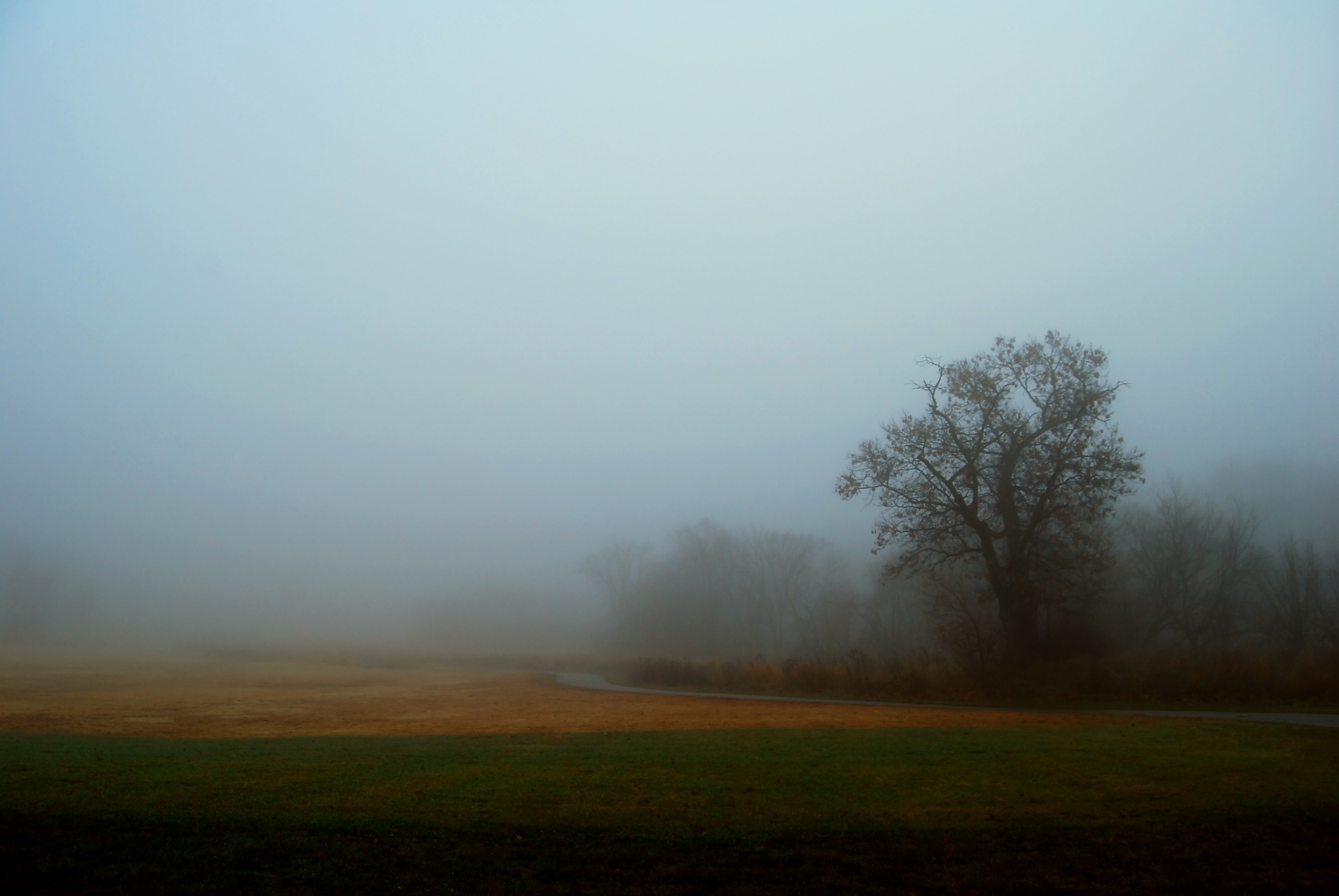
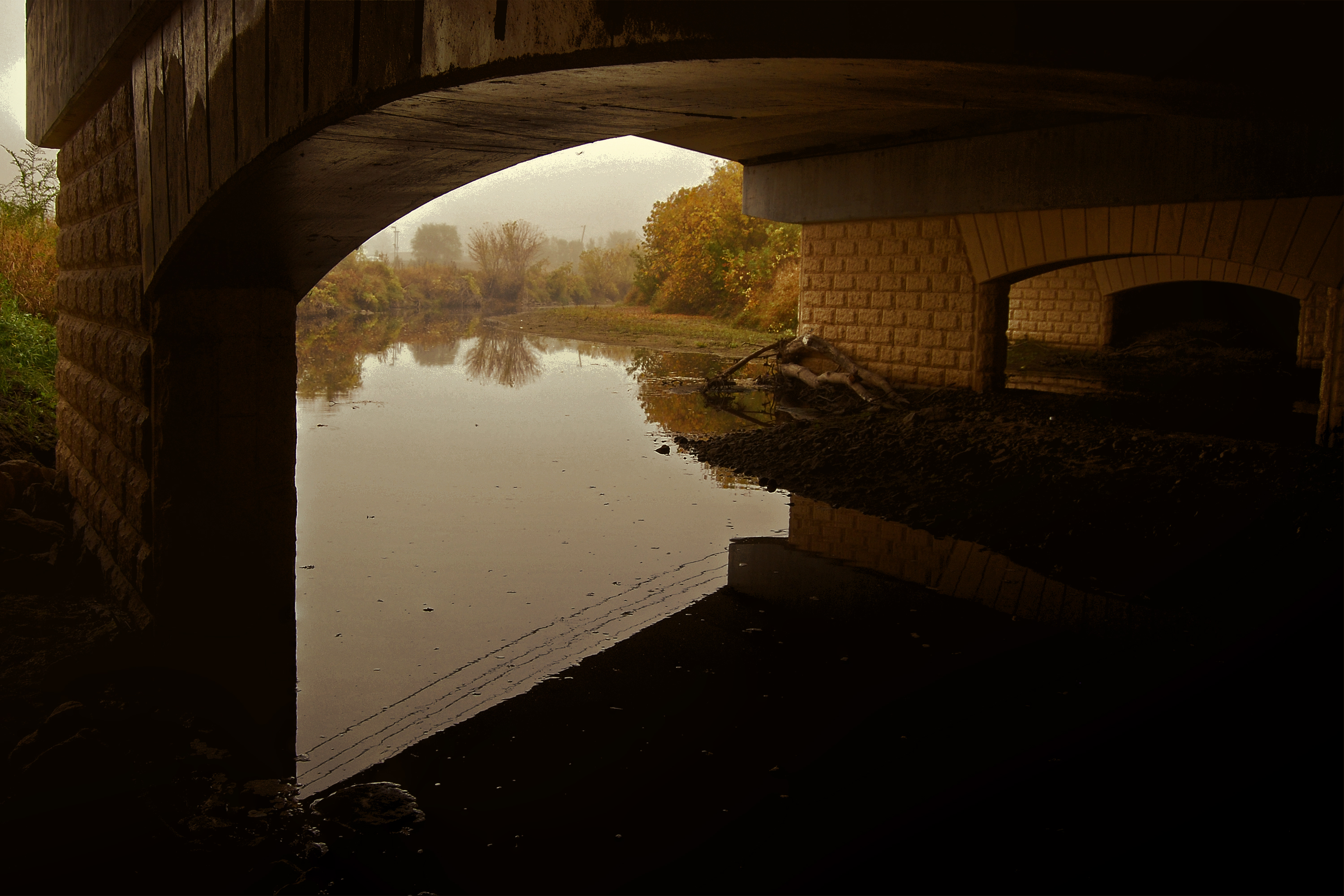
It was a chilly ride, and wet. The fog wasn’t particularly thick, but it made the world all clammy and dark and weird and sometimes a wee bit dangerous. Occasionally it was more like a mist than fog. I stopped under one of the bridges to tie my hair back.

When I stopped, I surprised a feral cat with three kittens. The cat and two of the kittens scampered off up the creek bank; one of the kittens panicked and ran the other way—toward the creek. The creek was running low so the kitten wasn’t in any real danger, but it mewed and cried and was obviously frightened at being separated from the others. So I played border collie for about ten minutes, and eventually succeeded in herding the little bugger back across the bike path and up the bank where the others were.

Did I take a photo of the cat and kittens? Sadly, no. I didn’t take the camera out of the bike bag until after I’d dealt with the kitten. By the time I got the camera out, the thoughtless little bastards had scurried away. Still, it was pleasant under the bridge.
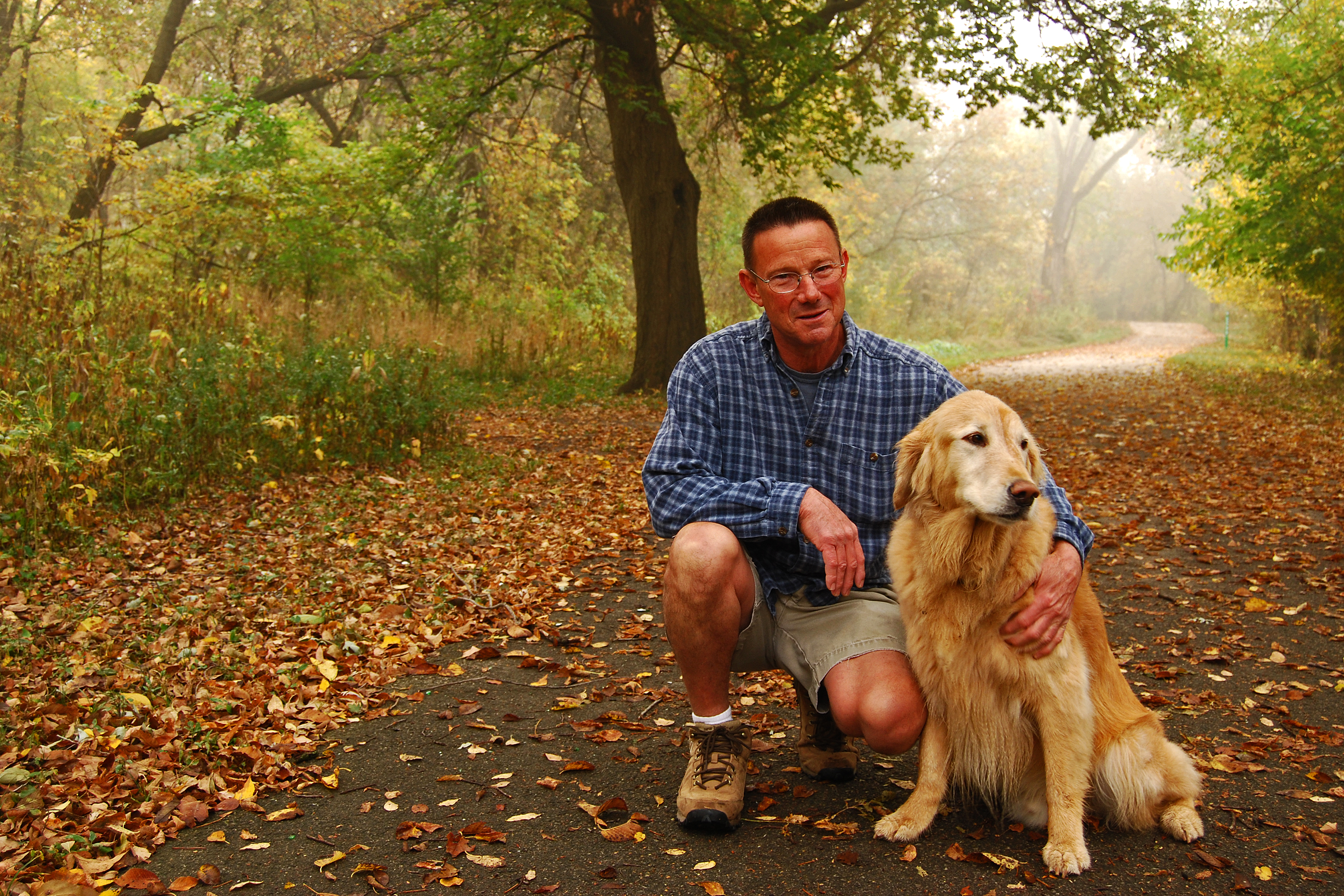
I had much better luck farther down the trail, when I came across Wrigley. I’ve met this dog and his human companion three or four times in the last couple of months. He owns property in the area; Wrigley owns him. He’s a classic golden retriever—smart, friendly, a wee bit loopy, eager to please. And I was reminded why you never want to wear black around a golden; after a few minutes of petting and hugging Wrigley had left about thirty-six pounds of dog hair on my clothes.
I mentioned earlier that the fog made the world a wee bit dangerous—and so it did, for two reasons. First, all those wet leaves were surprisingly slick; if you took a corner at speed, they’d slide out from under the tires. But the bigger danger came from the fact that the bike path wends its way through groves of walnut trees. Walnut trees drop walnuts. And they drop walnut leaves to hide the walnuts.

So concealed beneath all those lovely leaves are these handball-sized organic land mines waiting for some unsuspecting cyclist to plow into them. And it’s almost impossible not to smack into a few on a long ride. When you use toe cages on your pedals (like I do) finding a walnut with your front tire can get pretty exciting.
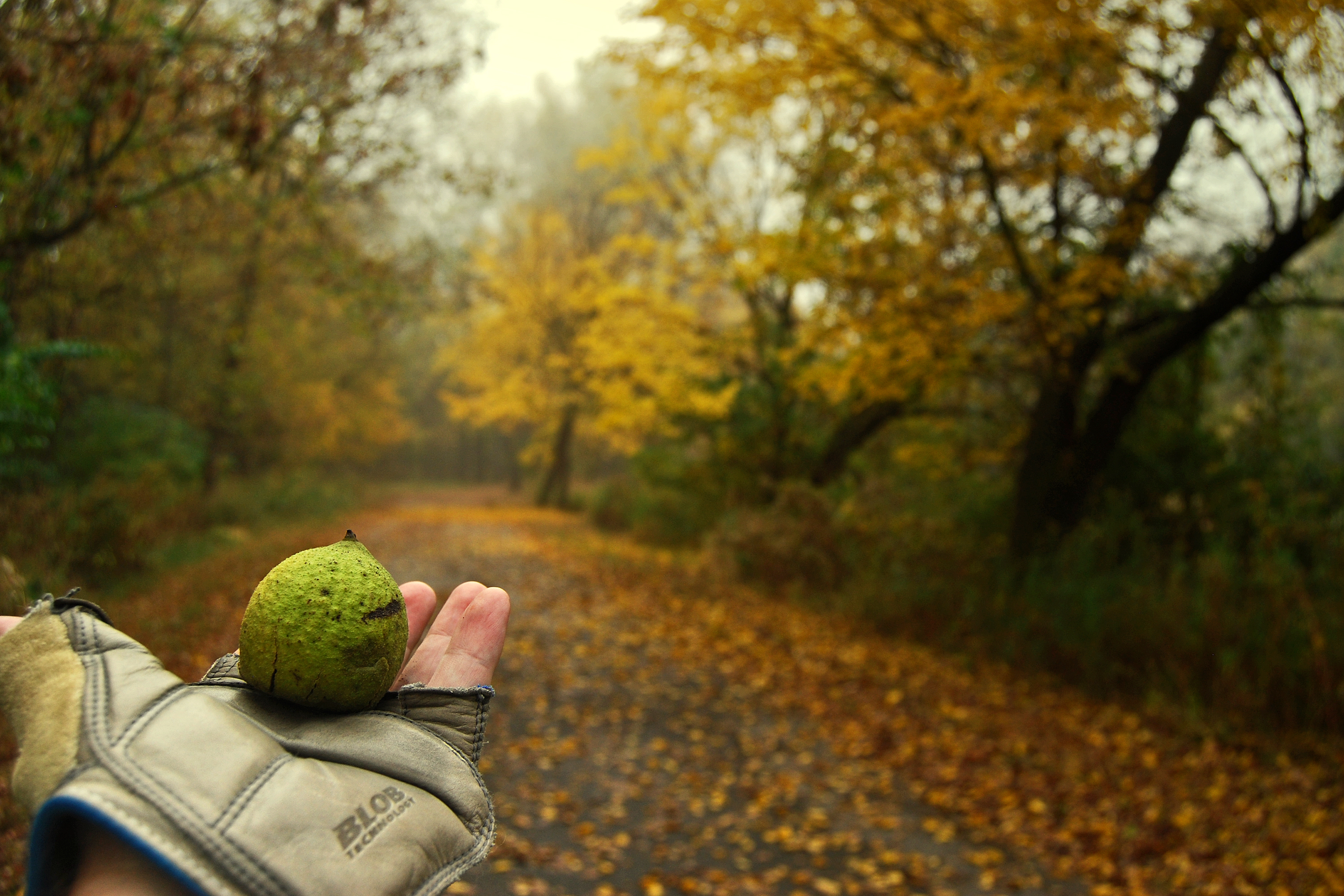
Even though wet leaves and walnuts are a massive pain in the cyclist’s ass, I have to admit I like them. First, they’re pretty—and pretty goes a long way. Second, they discourage those folks who ride for exercise from using that particular path. I’ve got nothing against riding for exercise, but so many of the people who do that seem to think those of us who ride for the enjoyment of it are just in the way. We’re taking up valuable bike space that could be more effectively utilized for cardiovascular improvement. Or something like that.

In a couple of weeks the wind will blow most of those leaves away. In a couple of weeks the squirrels will have gathered most of the walnuts. And the exercise crew will be back. And that’s okay too. At least they’re out riding. They’ll just have to get used to me stopping at irregular intervals in the bike path to take photographs and herd kittens.

The fog has burned off now. It’s sunny outside—beautiful blue sky, mid-70s, very light breeze. I’ve got an afternoon of editing in front of me. Editing and noodling around with book cover designs. Even though I wasn’t on the bicycle for exercise this morning, I can feel the ride in my legs. It’s a pretty good feeling.

If I was a golden retriever, I’d turn around three times, lay down, and take a nap.
poor bastard

The beauty of traditional publishing is that all the writer has to do is write. That’s it. You make shit up and write it down. You finish the manuscript, you take it to the Post Office or Federal Express, you drop it in an envelope, send the damned thing off and that’s it. You can forget about it and move on to the next project. Easy peasy, as they say.

Some other poor bastard (or several poor bastards) will have to do the grunt work of copy editing, and considering issues of typeface, and dealing with formatting, and coming up with cover art.

But e-publishing makes every writer a poor bastard—at least in the sense of all the grunt work that’s necessary to prepare the manuscript for publication. Copy editing? You have to do it. Typeface and formatting? Figure it out. Cover art? Dude, it’s all up to you. You can stare at your computer and say “Dammit, Jim—I’m a doctor, not an engineer.” But you still have to get the warp engines back on line.

I’m okay with the copy editing. I hate it, but I can do it. I don’t know dick about typeface, but I can see that there are certain industry standards and follow those. I can cope with the formatting because the e-publishing software makes it a bit easier. But cover art? Dammit, Jim—I’m a writer, not a graphic designer.

Graphic designers never get the credit they deserve. I’ve known this for a long time—partly because graphic designers keep telling me it’s so, and partly because I’ve seen graphic designers make almost unnoticeable changes that somehow magically turns a dull design into one that seizes and holds the eye and the imagination. So I’ve known graphic designers have their own peculiar genius, but now that I’ve tried to build a book cover, I appreciate it all the more.

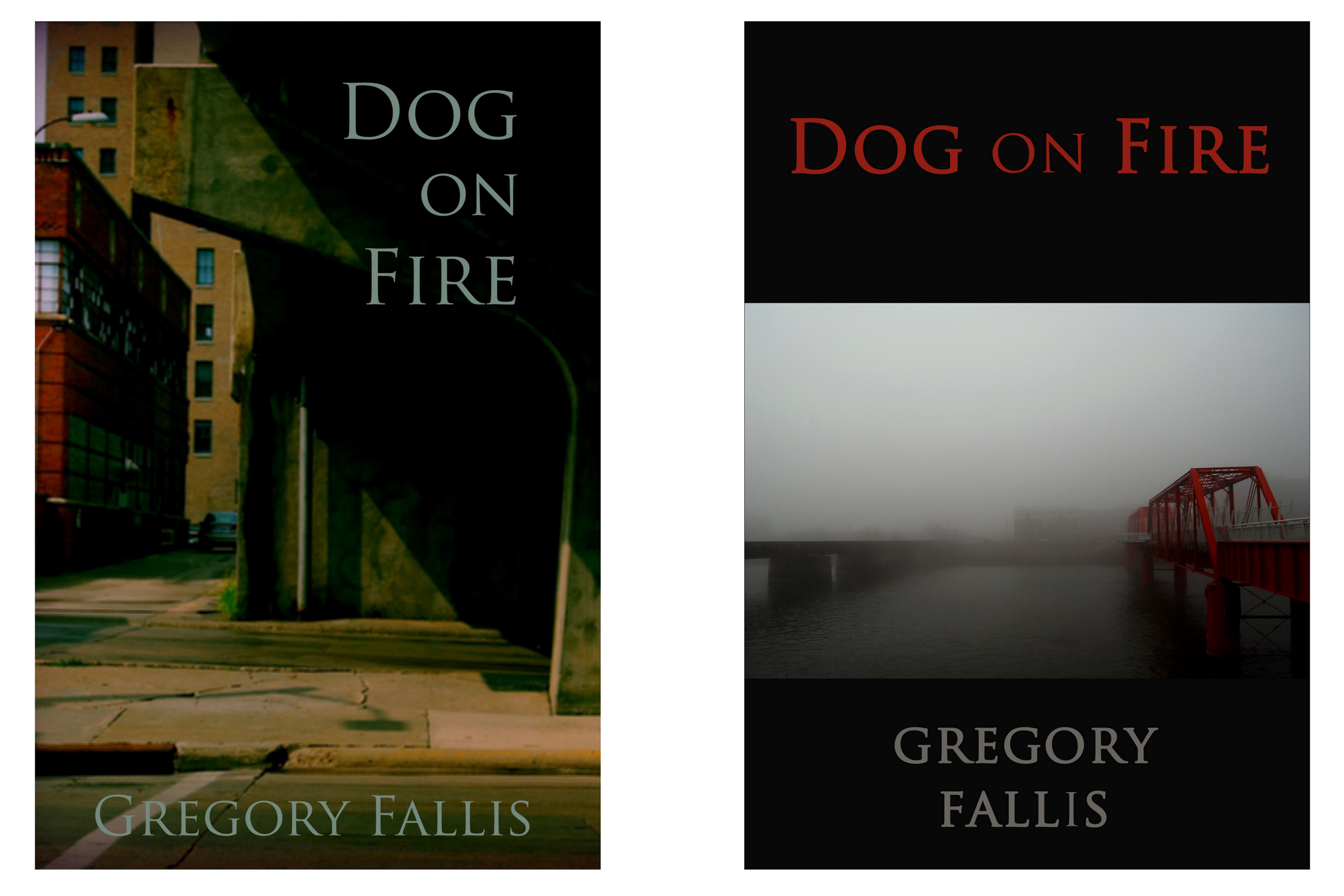
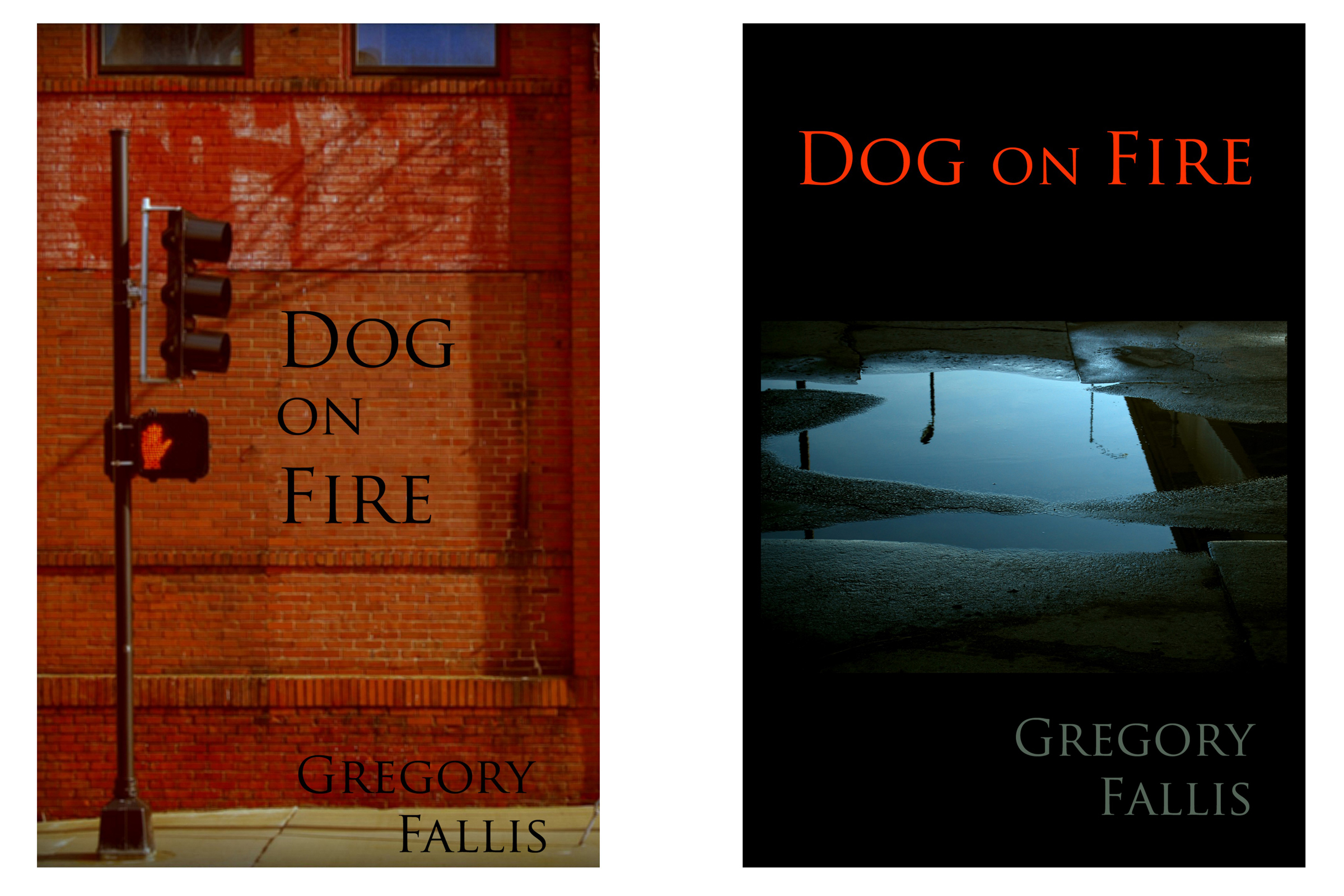
I tried to take a lot of things into account. The cover is for a book of non-traditional detective stories, so I wanted the cover to have a light noir-ish vibe—somewhat urban, but not quite hard-boiled. I wanted it to relate to something that appears in the stories—a setting, an object, an atmosphere. I wanted the cover to be clean and simple and somewhat austere.

I guess I’ve made maybe a couple dozen different covers now. They all look too simplistic to me. They look like—well, they look like I made them. They don’t look to me like real book covers. I spent an inordinate amount of time looking at e-book covers on Amazon.com and B&N.com, and I’ve got myself so turned around at this point that they don’t look like real book covers either.

I suspect I’ll settle for one of these four covers. Years ago I learned to be able to let go of a manuscript; now I have to learn to do the same with a book cover.

But this shit ain’t easy.

river of monks

The Sauk and Meskwaki tribes called this Ke-oh-shaw-kwa, the river of hermits. They’d been driven out of their native lands in Michigan and Ontario by French explorers, missionaries and settlers. They settled here, not far from a bend in the river where they’d encountered a man living alone in a hut—a person living outside the safety of a community was an unusual sight in those days.

The French, who eventually followed along, came to call this La Rivière des Moines—the River of Monks.The monks in question were from the Order of Cistercians of the Strict Observance, more commonly known as ‘Trappists’ (the nickname derives from the abbey at Soligny-la-Trappe in Normandy). They’d established an outpost a couple hundred miles downriver—little more than a few huts, a trading post, and a chapel built on what they believed to be a massive native burial mound. The Trappists worked the ground, made beer, tried to convert the natives, and after about 20 years, were forced to abandon their settlement on the mounds by hostile tribes.

You have to appreciate the poetic justice. But even though the French left, the name La Rivière des Moines remained.

That’s the accepted version of events. Like so many accepted versions of history, there’s doubt about its accuracy. Before everybody agreed to call it La Rivière des Moines, it was known by some French explorers as La Rivière des Moingona. The term ‘moingona’ is usually translated as meaning ‘mound,’ thereby making this the ‘River of the Mounds.’ Given that there were monks living on mounds, it’s easy to see how confusion could ensue. River of Monks, River of Mounds—both names make sense.

But there’s more. One of the first people to call the river by its European name was the French Jesuit missionary and explorer Jacques Marquette. He’d encountered natives of the Peoria tribe at the confluence of this river and the Mississippi. Asking about other tribes who inhabited the river basin, the local natives told Marquette this branch of the river was controlled by Mooyiinkweena. Marquette interpreted that as a local variation on ‘moingona.’ According to one linguist, however, mooyiinkweena actually meant ‘shit-face.’ The local tribe members had apparently been insulting their neighbors.

So, what’s the truth? The truth is this river is now known as the Des Moines River. It may be the river of monks, it may be the river of mounds, it may be the river of shit-faces, or it may be the river of shit-faced monks living on mounds. After three centuries, does it matter?

I’m inclined to think not.

walking distance

Everywhere is within walking distance if you have the time.

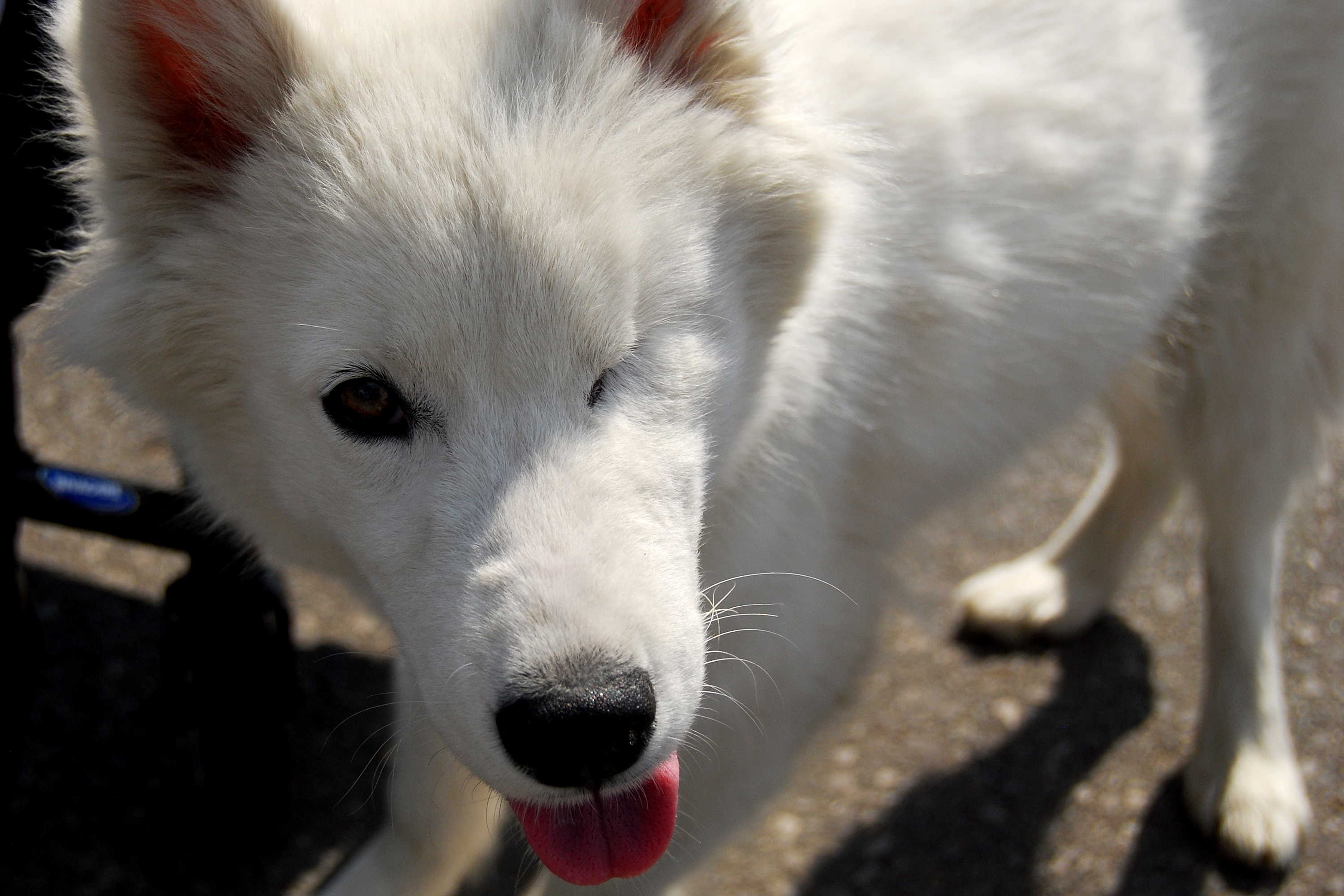
I like slow modes of travel: walking and bicycling. But sometimes cycling is just too fast. On a bicycle you don’t have time to stop and visit with the young woman in a wheelchair who is being pulled along by an enthusiastic one-eyed Samoyed named Astra. Why was the woman in a wheelchair? I don’t know—I didn’t ask. How did Astra lose her eye? I don’t know—I didn’t ask. This is what I do know: Astra is a dog, and all dogs are wonderful no matter how many eyes they have. She’s not a one-eyed dog; she’s a dog—a dog who  happens to have half as many eyes as most dogs. But you don’t judge a dog by the number of its eyes. You judge it by its dogness.

The same is true of people, by the way. The number of operative legs a person has is a pretty inadequate metric for evaluation. If you’re on a bicycle—or worse, in a car—you may not stop long enough to remember that.

On foot you can stop and chat. I’m a big fan of chatting. Oh, I enjoy deep, meaningful conversations about politics and religion and Important Things as well. But there’s something delicious about a brief aimless chat—with friends or with strangers. “Hi, hello, how are you, isn’t it a lovely day, you have a beautiful dog, I like your hat, is there anything better than a sunny day by the river, take care, g’bye.” You can’t do that so easily on a bicycle.

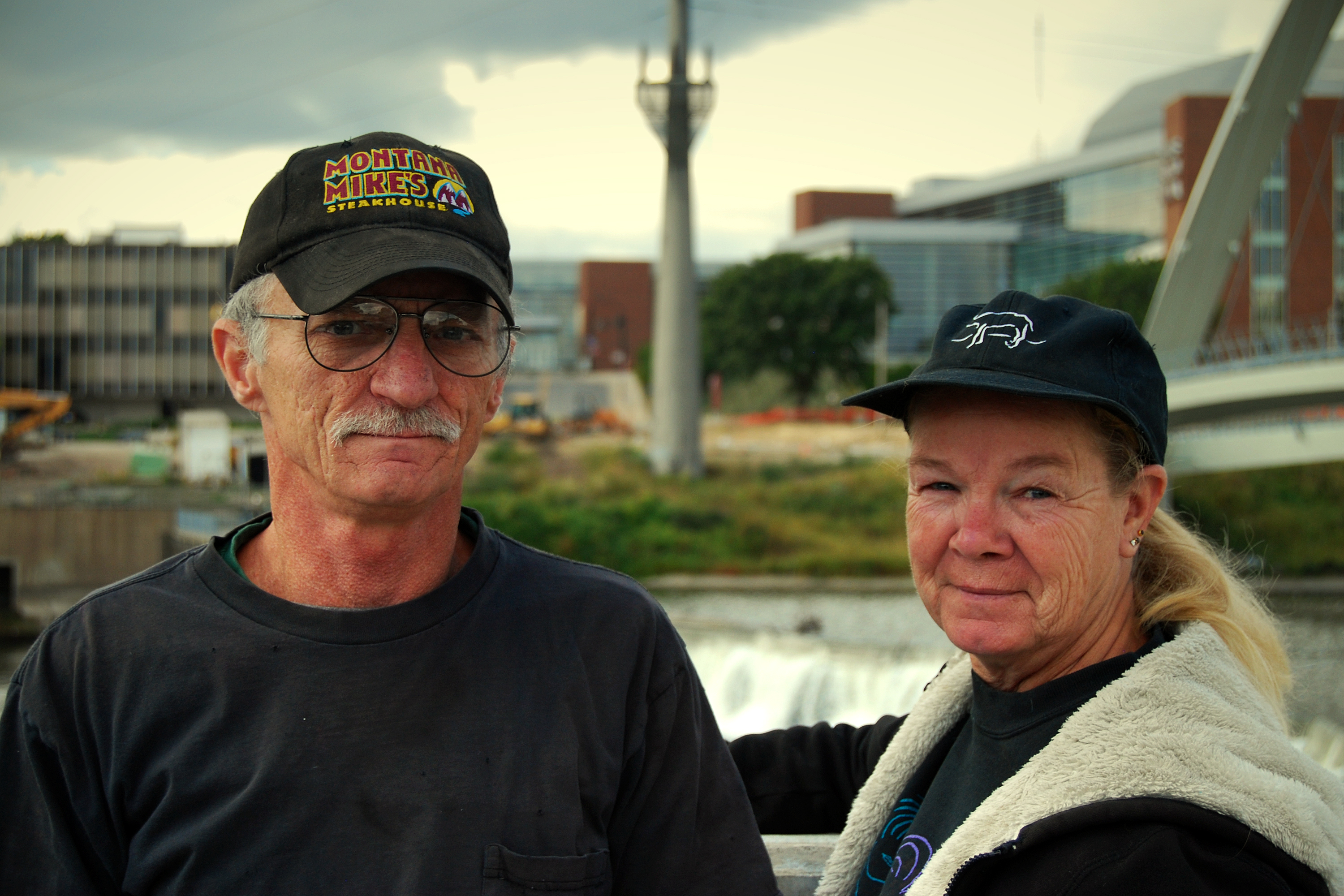
If I’d been on my bike, I probably wouldn’t have stopped to chat with Mike and Jodi, who were just loitering along the river, taking a walk themselves, watching the water go by and the fisherman waste their bait. They seemed a tad embarrassed when I asked if I could take their photograph—but he straightened his cap and she removed her sunglasses, and both seemed pleased by what they saw in the LCD monitor.

Just ordinary people out on an ordinary Sunday afternoon taking an ordinary walk. The only thing out of the ordinary was when some long-haired character with a camera approached them, nattering away, and asking to take their photograph. I figure I gave them something to talk about—fair exchange for a photograph. With any luck, Mike and Jodi will have met Astra on their walk.

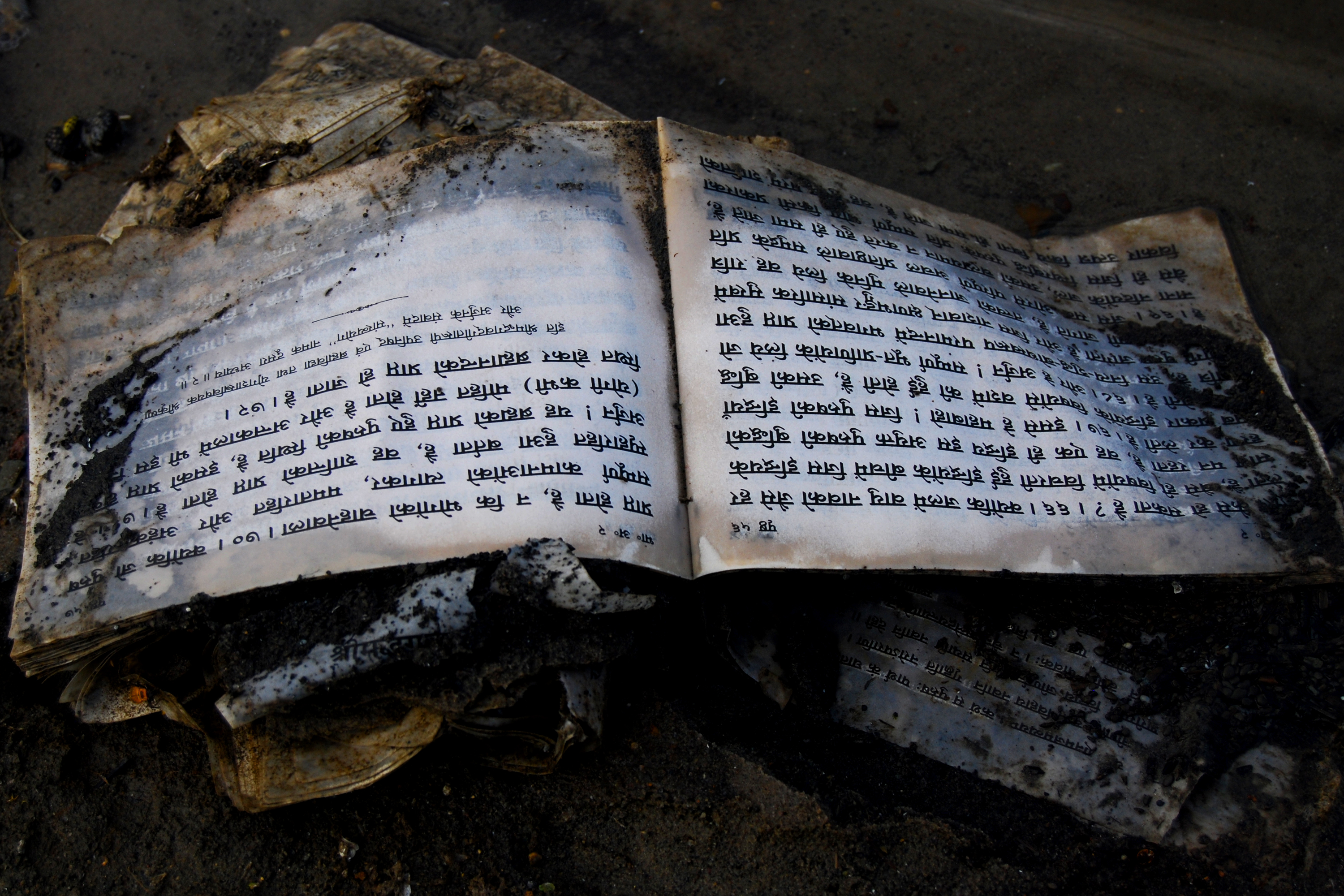
Farther up the river—much, much farther—I came across (actually my friend Stacey came across it first and pointed it out to me) a water-logged text written in what appears to be a form of Sanskrit. I never would have seen this on a bicycle (nor, I daresay, would she). There’s a Hindu temple nearby; I assume somebody was studying along the river and accidentally dropped the book in the water. Or perhaps somebody just wanted to share it with the frogs and fish and pelicans (the annual autumn white pelican migration is taking place now—is it a coincidence that the best English-language books are published by Pelican Press? Well, yes. Of course it’s a coincidence. C’mon).

It’s a beautiful written language, Sanskrit, and although I’ve no idea at all what this says, it’s a lovely addition to the river.

Steven Wright is correct—everywhere is within walking distance if you have the time. This is why you should take the time. Or make the time. Because the people you meet and the things you see will, if you let them, take you farther than your legs will carry you. It can give you an entirely new understanding of walking distance.

(Update: I am reliably told by Arvind Kumar that the text is in Hindi, not Sanskrit; both languages use the Devanagari script.)

are you fucking kidding me?

I’m stupid enough to spend part of this morning watching highlights (if you can call them that) of the GOP debate last night. They took a video question from a gay soldier serving in Iraq, the question being would the candidates re-institute the Don’t Ask Don’t Tell policy.

Two things struck me. First, the audience booed. The actually booed a person who volunteered to serve his country–a person who is on active duty and serving in Iraq. Are you fucking kidding me? You don’t have to agree with a person’s beliefs or how that person lives his or her life to respect the fact that they’ve chosen to serve the nation in a low-paying job that offers not much more than a chance to get killed in some foreign country. Can you imagine the response if a Democratic audience booed an active duty member of the military?

Second, the question was answered by Rick Santorum. He complained that by allowing gay men and lesbians to serve openly in the military, the government was granting them “a special privilege.” A special privilege? Are you fucking kidding me? How is being allowed to serve in the military a special privilege? Were the people in the audience–the ones who booed–being denied the special privilege of putting on a military uniform and serving in Iraq? If so, we surely ought to make that privilege available to them.

Who the hell are these people? The ones who boo an active duty soldier, the ones who shout out that a person without health insurance should be allowed to die, the ones who cheer for the death penalty? How did they lose all their compassion? What’s made them so selfish and self-centered?

And what’s most desperately sad is they undoubtedly consider themselves to be patriots.

no room for error

Last night the governments of two States executed convicted criminals. Texas executed a man who was clearly guilty of the crime; Georgia executed a man who may not have been guilty. Both executions, though, were perfectly legal.

And that’s the problem. It’s absurdly easy to convict a person of a capital crime because it’s absurdly easy to convict a person of any crime. Even though the U.S. Constitution provides accused criminals with a number of safeguards, the fact is those safeguards have been gradually eroded over time—eroded by the courts, eroded by politicians who want to appear tough on crime, eroded by the 24 hour news cycle which feeds off conflict and fear, and eroded by the popular entertainment media that promotes the illusion that lots of criminals are released because of ‘technicalities.’

Our justice system—which is actually a pretty good system—is grounded in the notion of the presumption of innocence. Jurors are to assume the accused is innocent; it’s up to the State to prove they’re guilty, and to prove it beyond a reasonable doubt. But research shows that most jurors (and, in fact, most citizens) tend to believe a person who has been brought to trial is probably guilty of something. That tendency is exacerbated in capital cases because of death qualified juries.

It’s a little-known fact that the process of jury selection in death penalty cases is slightly different than in regular cases. To sit on a death penalty case, a juror has to believe death is an appropriate punishment for some crimes. There’s a certain logic to that; the argument is that a person who opposes the death penalty would be less likely to vote for a conviction. But that same logic applies in the reverse; research demonstrates that a person who believes in the death penalty is generally more likely to vote for conviction.

So a defendant in a capital case is facing a jury that is more likely to convict. From that point on, the cards are stacked against him.

Yes, there is the lengthy appeals process—but what most people don’t realize is that appeals only address points of law, not points of fact. The original jury are the triers of fact; the appelate courts are triers of law. Innocence or guilt are no longer an issue; the only issue argued in the appeals process is this: were the rules of evidence and the dictates of the law followed during the trial? If the answer is yes, then the trial is considered fair—even if the verdict turns out to have been incorrect. It’s not about the verdict; it’s about the process.

It appears in the case of Troy Davis, the letter of the law was followed. The jury, given the evidence they received, reached a fair verdict. The fact that the evidence was flawed or faulty is irrelevant to the appeal process.

It wasn’t always this easy to conduct a legal execution. Proponents of the death penalty often cite the Bible as support—and it’s true, there are any number of crimes in the Old Testament that are punishable by death (including, by the way, adultery and breaking the Sabbath and persistent disobedience to one’s parents). But in practice, it was incredibly hard to impose the death penalty. In order to sentence a person to death a majority of a Sanhedrin (23 men selected for their wisdom and sagacity) had to vote in favor of it. There had to be two direct witnesses to the crime; those witnesses couldn’t be related to each other or to the accused (or the victim); the witnesses had to be men—and men known to the community for their virtue; both witnesses had to be able to see each other at the time of the crime; and both witnesses had to warn the offender that he was committing a capital crime.

In effect, it was almost impossible to condemn a person to death under the way the laws of the Old Testament were practiced. The reason for that was simple. They believed that to take a life as punishment was the prerogative of their God, and to usurp that prerogative was to dishonor God.

I don’t believe in God. But I believe they had the right idea. I don’t think the government ought to be in the business of killing its own citizens, BUT if the State elects to do that, then there ought to be no room for error.

don’t know

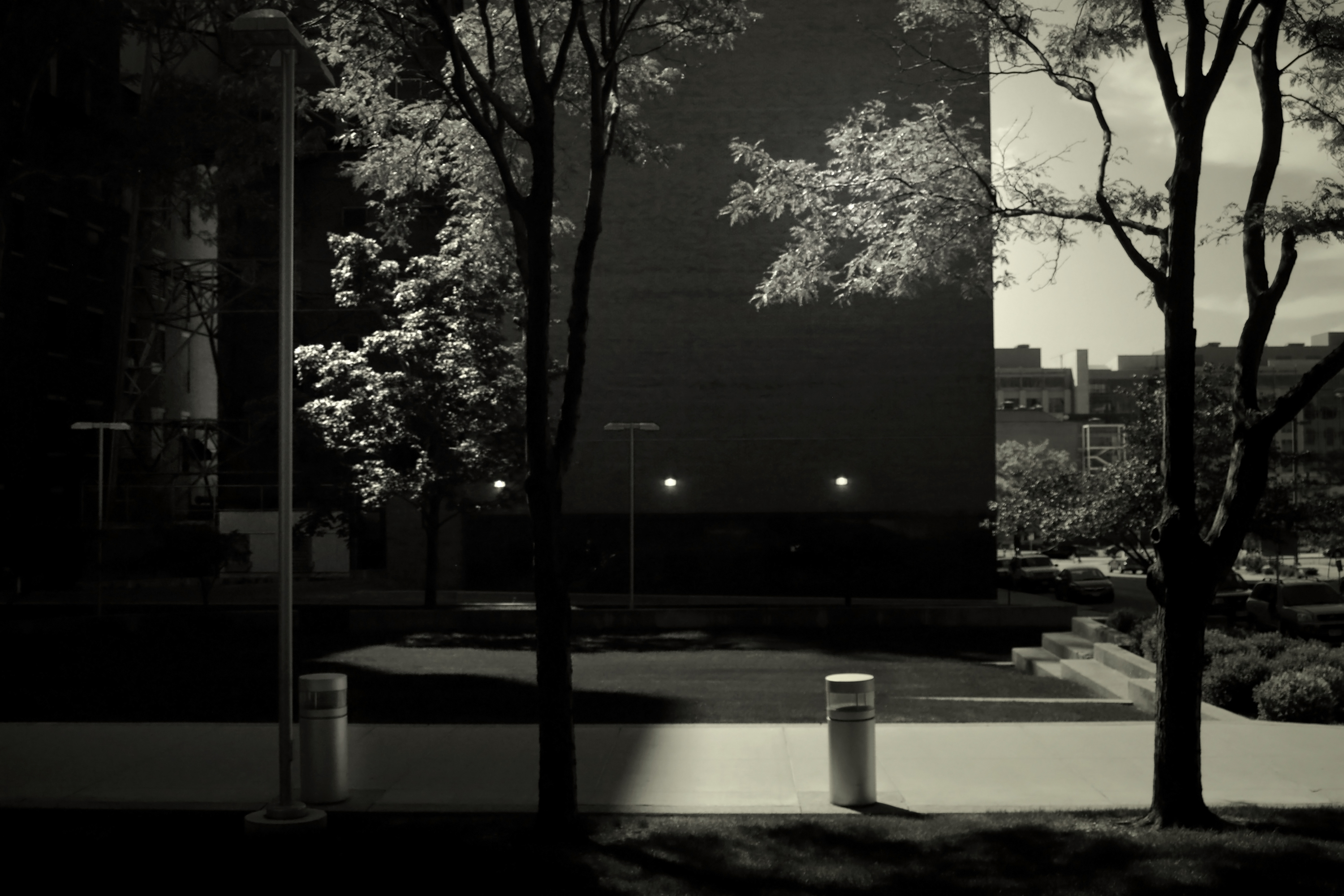
My brother Roger Lee asks me, sometimes, he asks me “Why’d you take a picture of that?”

It used to be “Why’d you take a picture of that?” with ‘that’ being the operative term. Why that thing? What are you seeing that you think is worth taking a picture? Are you crazy?

More and more, though, it’s “Why’d you take a picture of that?” with the emphasis on ‘why’? He’s beginning to accept that I actually have a purpose for photographing the things I do, but he doesn’t quite understand what that purpose is. He understands it’s less about the ‘thing’ in front of the lens and more about…well, something else.
It doesn’t help that I can’t give him a consistent answer. “It’s a condition of light,” I’ll say. Or “It’s the geometry.” Or “It’s the form of the shadow.” Or “Don’t know.”

He accepts “Don’t know” as an answer.

trees

Maybe it’s silly, but I develop a sort of relationship with certain trees. I grow fond of them; it pleases me to see them when I’m in the vicinity. It’s something about the shape of the tree, or maybe where the tree is located—who knows how these things begin? What matters is there are specific trees that make me happy.

This is one of them:

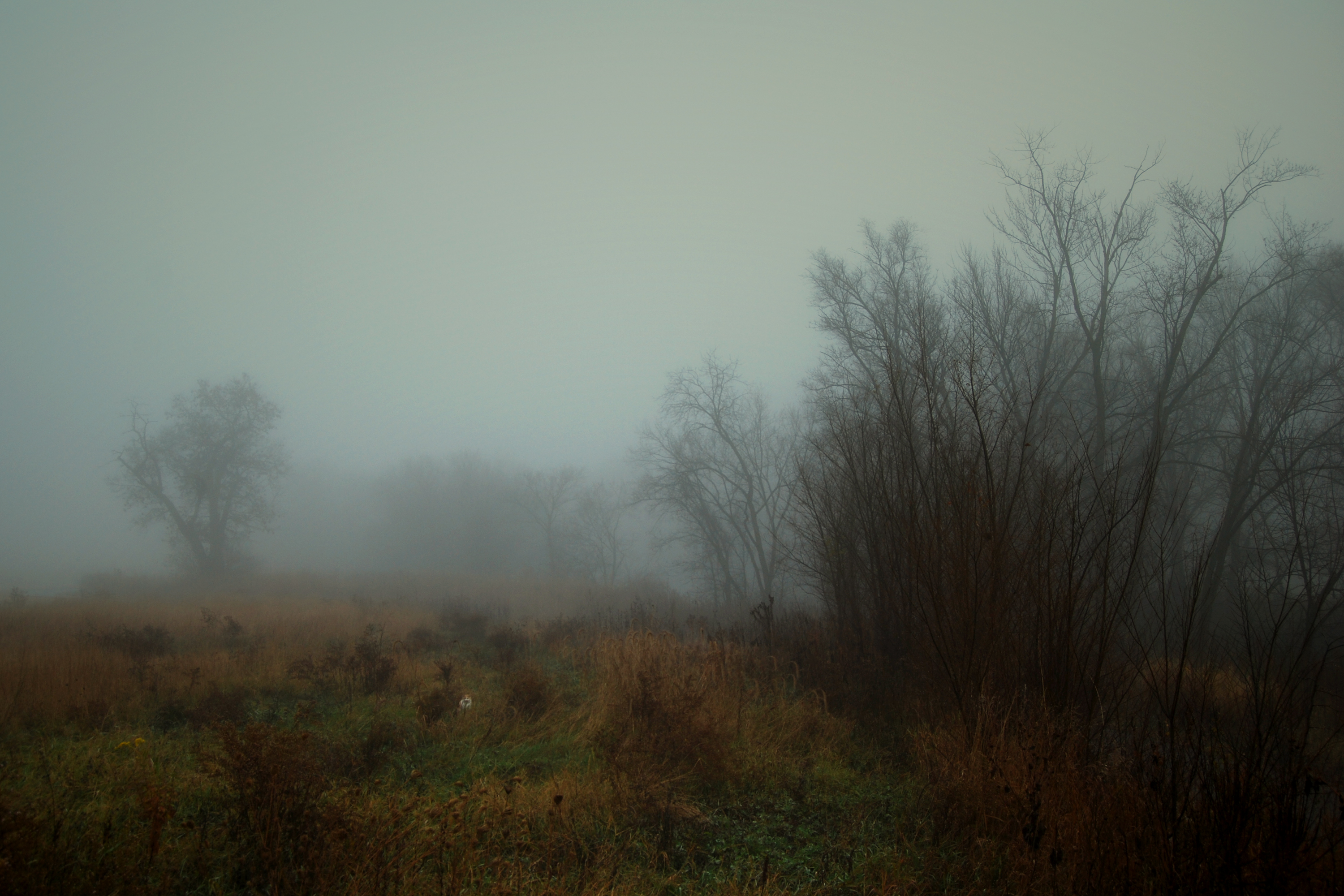
That one off to the left—the one that looks sort of like a mitten from this angle—that’s the tree. I actually shot this photo of the feral cat that followed me around one foggy day. See that little white speck? That’s the cat; the little bugger paced me for half an hour or so, never getting any closer than this. But even though I shot the photo of the cat, I made sure the tree was in the frame.

I like that tree for several reasons. I like the way the bike path curves gently around it. I like that crows and hawks hang out there (though not at the same time). I like the fact that unlike some of the other trees along this stretch of the bike path, it was never trimmed back to make it ‘pretty’. It’s just a friendly, accessible, pleasant, unpretentious, somewhat disorderly tree.

It’s a nice tree, isn’t it.

They tore it down.

By ‘they’ I mean city workers. They’re refurbishing the bike path, partly because it’s in a flood plain. Two or three times a year the nearby creek (it’s just on the other side of the tree line) floods. It’s always done that. In fact, the worst train wreck in Iowa history took place just up the road, a result of flooding. Last summer, nearly 300 people had to be evacuated from their homes along the flood plain. So the city bought the property, moved the people, and set about ‘correcting’ the problem. Which required tearing down that tree.

I quizzed the workers about it. As much as I hate to admit it, they seem to have had a legitimate reason for removing the tree, though the reason was incomprehensibly technical. But the men I spoke to assured me no other trees would be removed. And, in fact, they’ve encircled the more tame and orderly trees with plastic snow fencing and yellow caution tape. I guess it makes me feel a tad better.But only a tad.

I miss that tree every time I ride or walk that stretch of the path. Eventually I suppose I’ll get used to not seeing the tree. And that will be a little sad too.