cinematic epistemology

It’s pretty clear that the main actors in the war against Iran are operating under a system of cinematic epistemology. I’m talking about Comrade President Trump, the Secretary of What Used to be the Department of Defense, Pete Hegseth, and the entirety of Comrade Trump’s Cabinet of Nazgûl.

Cinematic epistemology is a term coined by Julian Sanchez. Basically, epistemology is the study of how we know what we know–how we achieve an understanding of how the world works. Cinematic epistemology is an understanding of the world grounded in movies. It’s naive, of course. Love in real life doesn’t work out the way it does in a rom-com. Criminal investigations aren’t done they way they’re depicted in television cop shows. Wars aren’t fought and won they way they are in action films.

But that’s exactly how Trump and Hegseth viewed their assault on Iran. Send in the Air Force, bomb the absolute shit out of a bunch of targets, let Hegseth make a few movie speeches accompanied by manly hand gestures, let Trump threaten our enemies and mock our allies, intimidate the nation into submission. Surely, once our allies saw our overwhelming military might, they’d wish they’d been a part of the war. Surely, once Iran saw they were up against a vastly superior military force, they’d quickly give in. TrumpCo knew it would take longer than a movie screening, but in their minds the outcome was pretty much guaranteed. Punch Iran in the face, take the fight out of them, roll credits.
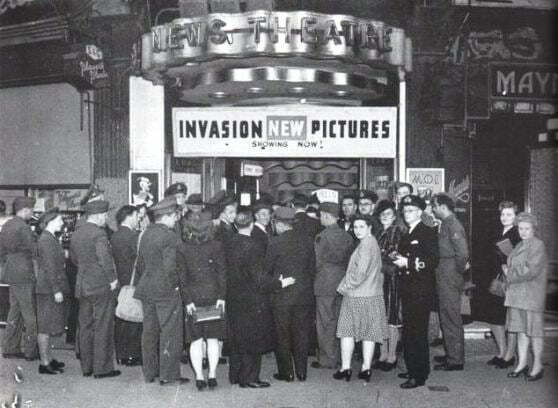
It didn’t help that it largely did work like that in Venezuela. That quick, limited, precise military operation only solidified their cinematic world view. Trump, on Fox News, even said, “I watched it literally like I was watching a television show. If you would’ve seen the speed, the violence…it was an amazing thing.” But Iran isn’t Venezuela. Everybody knew Iran would hit back. Well, everybody but the folks encouraging Trump to attack Iran.

Iran, predictably, did hit back. They hit everybody in the region who’d who’d cooperated with the US. Trump and his people were surprised. “They weren’t supposed to go after all these other countries in the Middle East,” Trump said. “Nobody expected that. We were shocked.” He went on to say, “Nobody, nobody, no, no, no. No, the greatest experts—nobody thought they were going to hit.”

The actual experts, of course, knew Iran would hit back. Actual experts assumed Iran would close the Strait of Hormuz. The actual experts understood the international scope of a shooting war involving Iran. The actual experts realized a war in Iran could/would lead to a global energy crisis that could/would result in fuel and food shortages in the US and possibly a global recession.

The problem with actual experts is that the Trump administration got rid of them.

TrumpCo, of course, doesn’t know what to do now. Hegseth apparently wants to keep bombing, hoping somehow that just a few more bombs will make all the difference. Trump is bored with the movie; it’s lasting too long and he’s not enjoying the plot; he’d like to just leave the theater. He’s bored with the movie and furious that he bought a ticket to begin with. He’s pissed and desperate and is flailing about wildly.

My biggest fear right now is that Trump, out of spite or because he has a child’s self-control, will decide to set fire to the theater.
celebrate good times

This morning, for the first time in a year, I actually wanted to read the news. For the first time since the darkness dropped again and Comrade Donald Trump slouched back into the White House, I actually looked forward to reading the news.

Because the news was good. Not just because Democrats won, and not just because they won by larder-than-expected margins, and not just because they won from coast to coast. The news is good because of the way they won. The ways they won, I should say, Because the way they won in New York City was different than the way they won in New Jersey and in Virginia. That confuses the pundit class.

Today there will be a LOT of pundits claiming Zohran Mamdani is the new face of the Democratic Party. Nope. He’s the face of the Democratic Party in New York City. Mikie Sherrill is the face of the Democratic Party in New Jersey, and Abigail Spanberger is the face of the Democratic Party in Virginia. We don’t have–we don’t need or want–a single face to represent the Democratic Party. We want a variety of faces and a medley of different voices all dedicated to civil rights and the needs of working people. This morning, we have more of that.

But we need still more. We want and need Democrats who will not just speak out against MAGA fascism in the US, but who will actively resist it. MAGA should be worried about last night’s electoral results, but the people who should be actually scared are the impotent Old Guard of the Democratic Party. They’ve convinced themselves that they’re helpless and weak against MAGA; they’ve allowed themselves to be cowed by Trump, they’ve been too timid to fight back. These election results are also a warning for them–either stand up and fight for democracy or get the fuck out of the way.

Yes, the news this morning is good. We should celebrate it. We should take as much joy as we possibly can from it. And then tomorrow (or what the hell, next week) we have to get back to work. The results of this one election isn’t going to turn the nation around. The US is still massively fucked up. It will remain massively fucked up for the near future. But this morning we see evidence that, with hard work, we can begin to unfuck the nation. That’s what I call good news.

So, in the words of the philosophers Kool & the Gang, “Let’s all celebrate and have a good time.”

it’s just a few fingers

Every few weeks Bsky has this…I can’t call it a discussion or an argument, because it’s neither of those things. Even calling a discourse doesn’t quite fit, because that term refers to a serious conversation–and while the subject is very very serious, it’s not a conversation. In a conversation, both sides (all sides) are attempting to communicate. This is about folks repeating their positions on the subject.

The subject is voting. The positions, essentially, are as follows:

  1. Vote for the Democrat even if they suck on a particular issue, because they’re still infinitely better than the Republican.
  2. I will not vote for somebody who opposes an issue that is central to my life.

The argument made folks in the first category is pretty simple: “I know your situation is precarious. I know you’re just barely holding on. I feel your pain. But you belong to a small subset of the voting population. In order to effect change, we have to first win the election. After we’ve done that, we can see about improving your situation.”

The argument made by folks in the second category is even more simple: “This is my life. I won’t vote for somebody who will make my life more difficult than it already is.”

Sorry, I hope you understand that I have to do this to win the election.

The counter-argument by the first category is: “To get elected, we may have to cause you some minor inconvenience. You may end up with a bruised finger. At worst, you’ll lose a finger. Maybe two. But the Republicans will happily chop off both your hands. Which is worse?”

The counter-counter-argument is: “I shouldn’t have to settle for which is worse. I want better. I deserve better. I won’t vote for a candidate who thinks I should settle for which is worse. I’ll only vote for a candidate who offers me better.”

The counter-counter-counter-argument is: “Refusing to vote for the Democrat guarantees you a future of being handless. If you vote for the Democrat, you’ll at least have the chance that eventually, at some vague point in the future, you’ll get some prosthetic fingers. If you’re patient, there’ll probably be a time when you’ll never have to worry about losing any of your appendages.”

The counter-etc. argument is: “Even if I vote for the Democrat, I’ll lose some fingers and maybe fall to my death. You’ll be sitting inside, safe and whole. You want my vote, give me a candidate who’ll protect my right to keep my hands. Give me a candidate who’ll take my hand and help me through the window. Give me a candidate who’ll welcome me into the room. Until then, nope.”

The thing is, both of those folks are right. They’re just not talking about the same thing. The folks in category 1 are concerned about winning elections, and it’s true that you can’t effect change unless you win elections. But the folks in category 2 are concerned about their survival and the survival of their people. Winning an election only matters to folks who get to survive.

I’m a cisgender hetero white guy. I recognize that I’ll probably be mostly safe, regardless of who wins. I’ll vote for the Democrat. But I’ll work for and support candidates who respect everybody’s civil rights. And I won’t fault or blame anybody who refuses to vote for a candidate who’s willing to chop off a few marginalized fingers, even if it means a Republican gets elected.

EDITORIAL NOTE: We must burn the patriarchy to the ground. We need to burn it, gather the ashes, piss on them, douse them in oil, and set them on fire again. Then drive a stake directly through the ashes where its heart used to be. Then set fire to the stake. Burn it and keep burning it for generations. Then nuke it from orbit (you know why). Then open a semi-dry Riesling and serve it with a nice Emmental cheese and some crackers. I mean, we’re not savages, are we.

Other Editorial Note: The illustration is by Sidney Paget, for the short story The Engineer’s Thumb in the 1892 edition of The Adventures of Sherlock Holmes.

civic virtue selfies

A friend recently said she was eager to vote in the coming local election next month, but was a wee bit sad that she wouldn’t be comfortable posting her usual “I Voted” selfie. I asked why she’d be uncomfortable. She said after posting her selfie after the last election, she was accused of virtue signaling.

My first thought was, “Okay, yeah, I get that.” Because saying, “Look how virtuous I am” is pretty cringe (and yeah, I know saying ‘cringe’ is…well, cringeworthy, but c’mon). My second thought, though, was, “Fuck that, go vote and post your selfie.”

This is not me.

Nonverbal signals are important in any culture. You already know that, so I’m not going to natter on about it. There are some virtues that ought to be signaled. Civic virtue is a good thing. Right now, when we’re facing growing authoritarianism, claiming our civic virtues is critically important.

You may be wondering, “Greg, old sock, what is this ‘civic virtue’ of which you speak?” Well, I’m about to tell you…and I’ll warn you up front it’s rather old-fashioned and maybe a tad sappy. Civic virtue is the general belief among the citizenry that the common good of the public should come before special interests of the few. That’s it, that’s all it is. It’s that whole Spock “The needs of the many outweigh the needs of the few” thing.

This is not me.

Voting is good. It’s virtuous. Signal the fuck out of it. I firmly believe in the concept of civic virtue. I’m a good citizen. Most of my life has been spent in some form of public service. I vote in every election. I stay relatively well informed on current events. I pay my taxes. I pay my bills. I follow most of the laws most of the time. If I’m in the market and see some product has fallen off the shelf, well I pick that shit up and put it back where it belongs. This is how civil society is supposed to work.

This is not me.

Civic virtue is the primary distinguishing difference between republican forms of government (note that’s small r republican, not ‘Republican’) and monarchical or tyrannical forms. In a republic, power belongs to the public through their elected representatives. Decisions on governance should reflect values and attitudes that promote the general welfare. It’s the polar opposite of a monarchical society, in which decisions on public matters are made by a monarch and based on the monarch’s interests. (Yeah, I’m talking about Comrade President Donald Trump here.)

The so-called ‘Republican’ Party in the US doesn’t support republican ideals. MAGA is essentially a weird, twisted, mishmash of monarchical and consumerist ideologies. Governmental decisions are based on the wants and needs of one person who believes civic virtue and selflessness are for suckers, and wealth is the only true measure of worth, and scams are the best and easiest way to accumulate wealth.

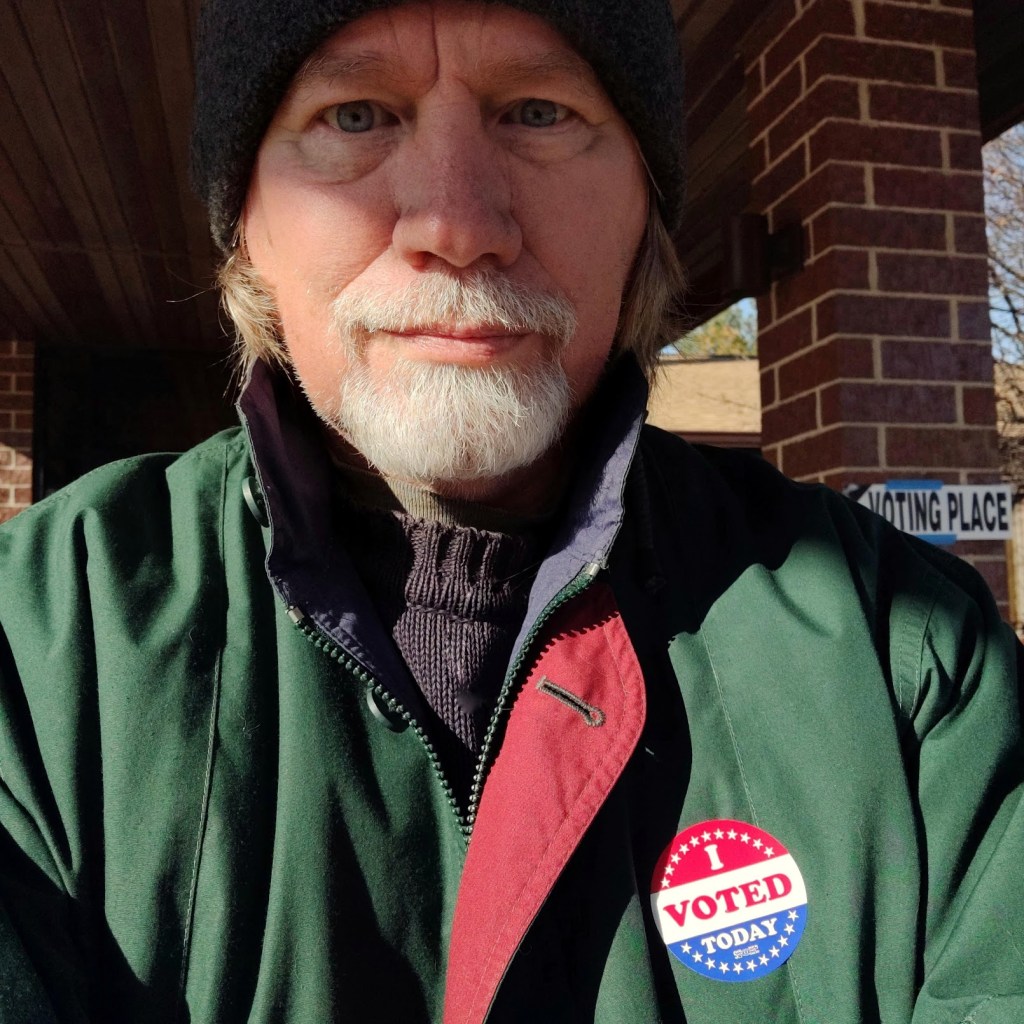
This is me.

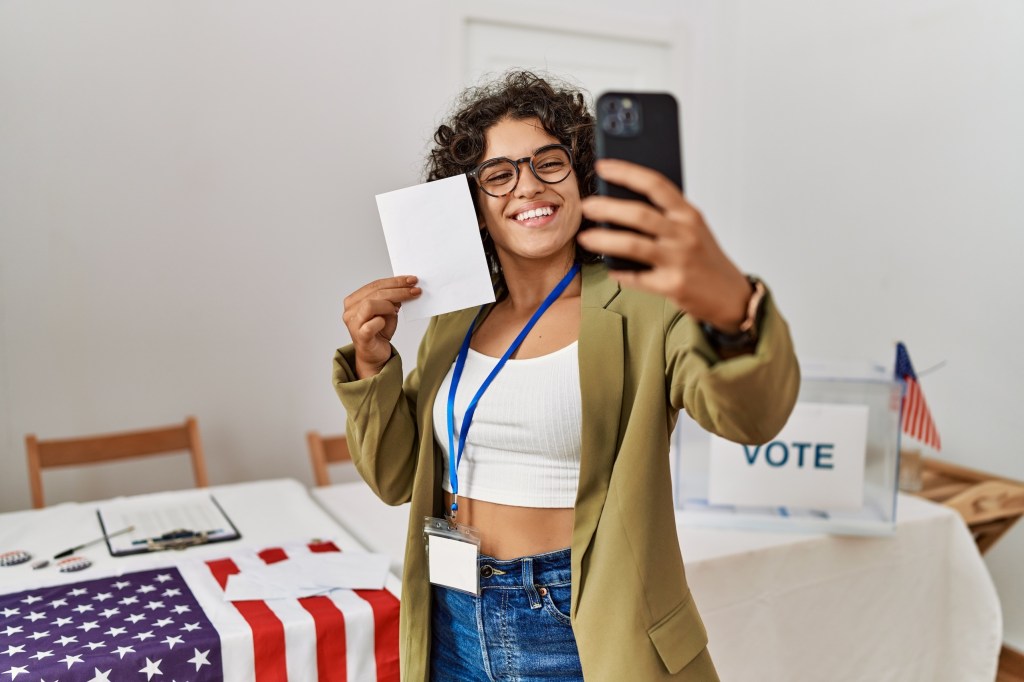
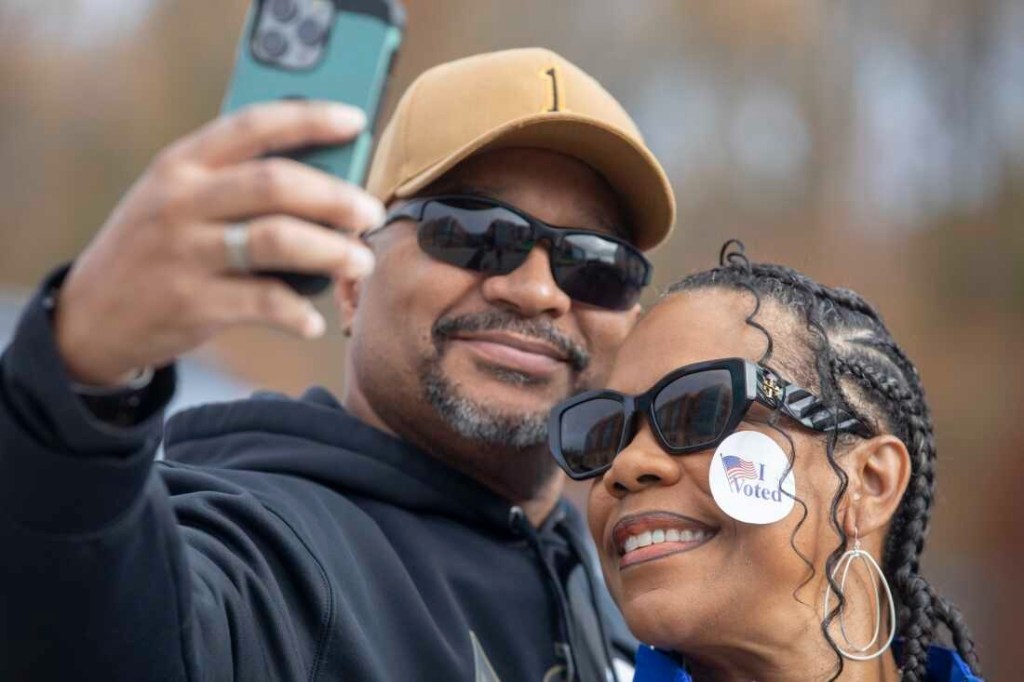
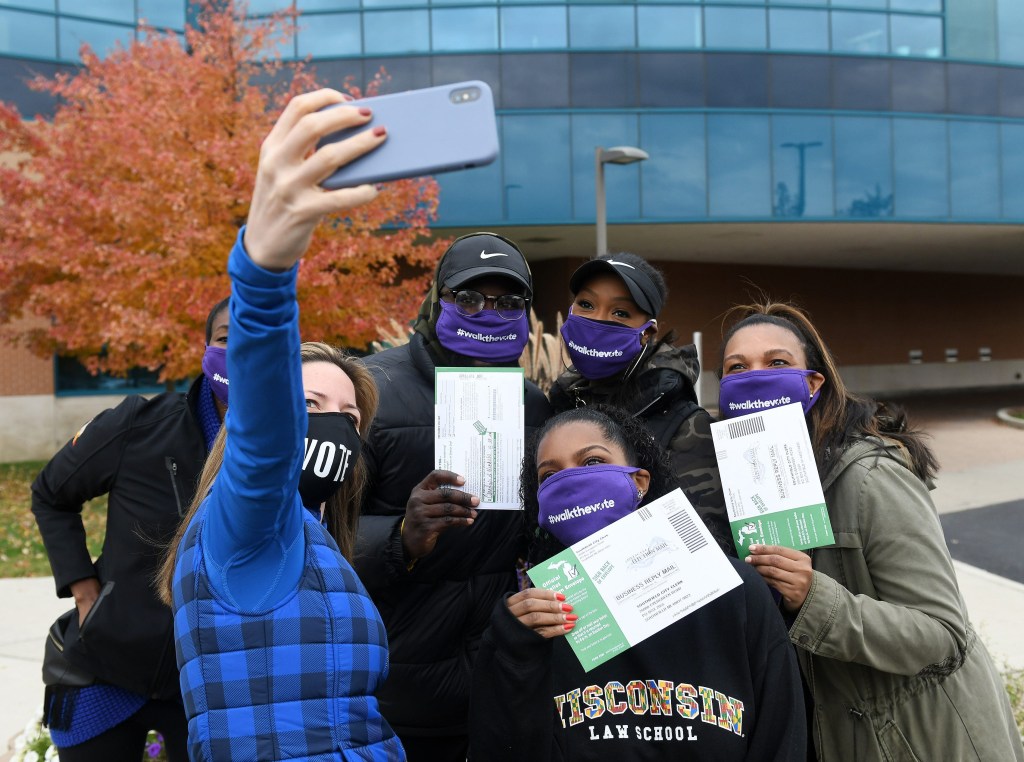
MAGA wants us to be embarrassed by expressions of civic virtue. Go vote. Take a selfie with your “I Voted” sticker. Post it on social media. Tell MAGA to go fuck itself with a chainsaw.

hands off, the fringes

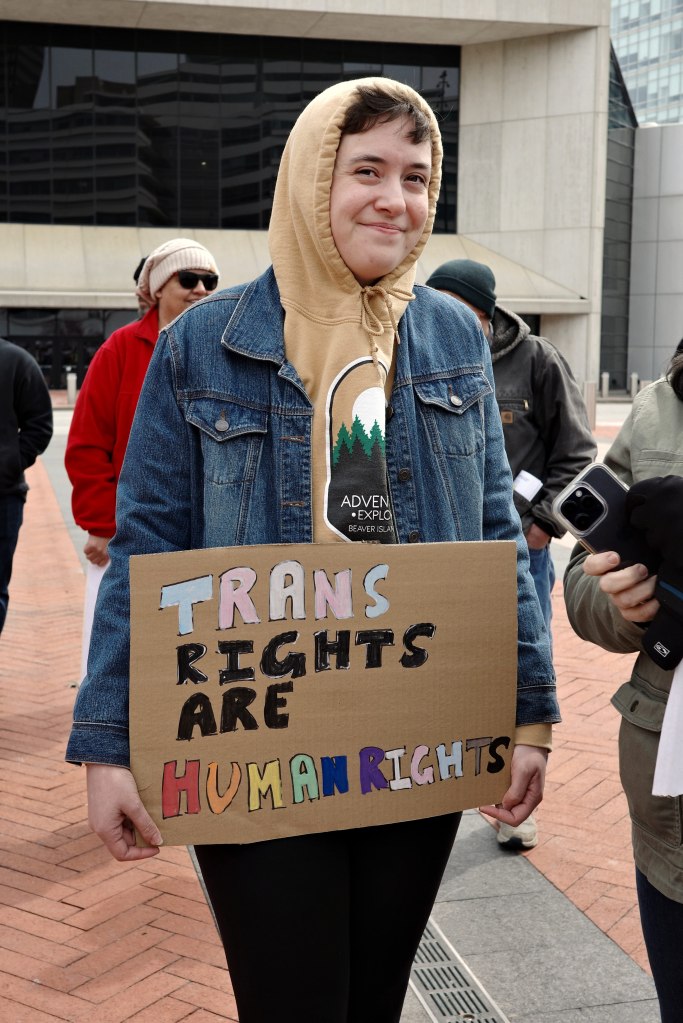
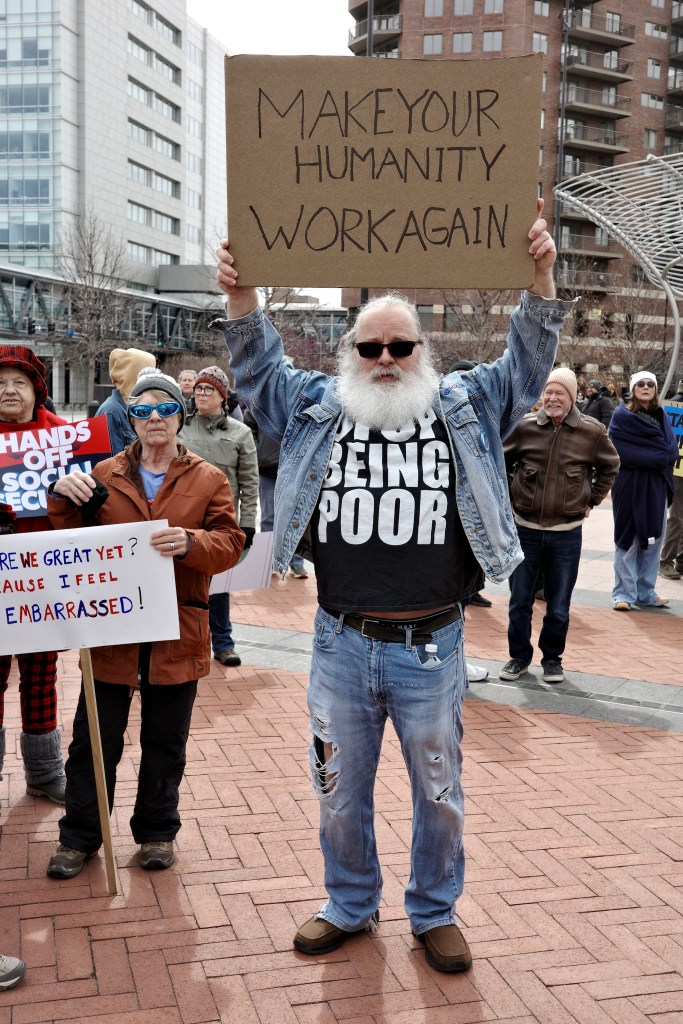
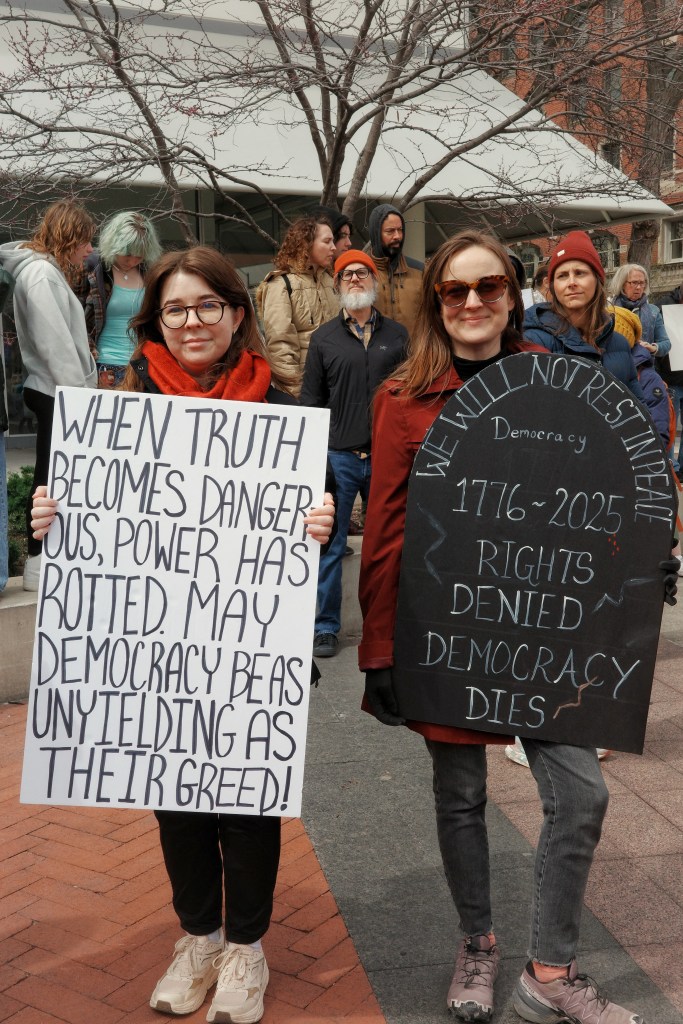
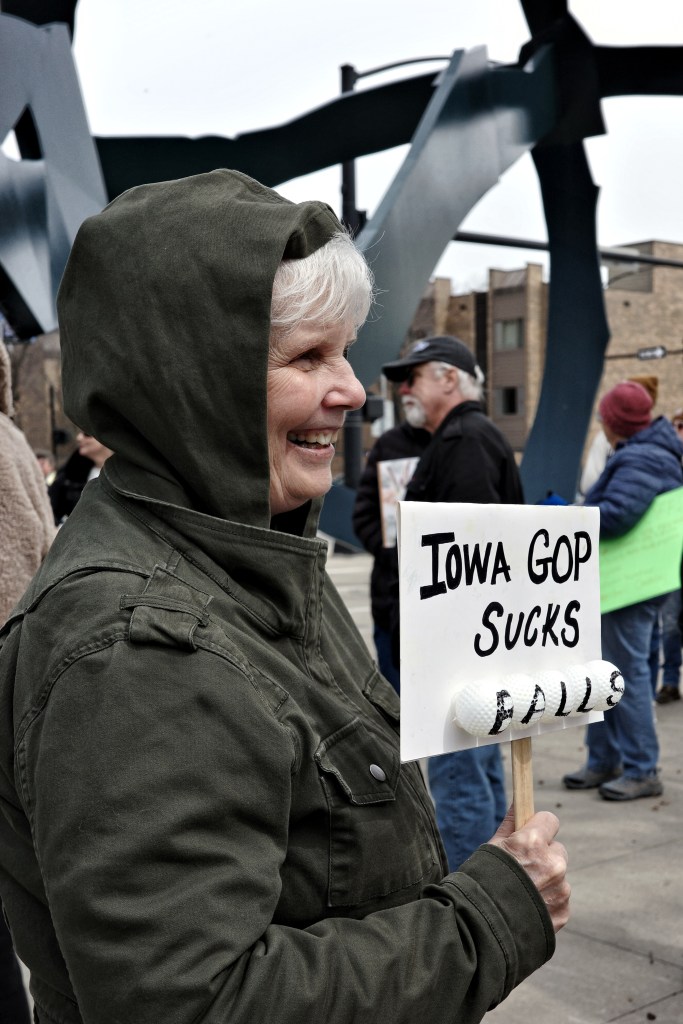
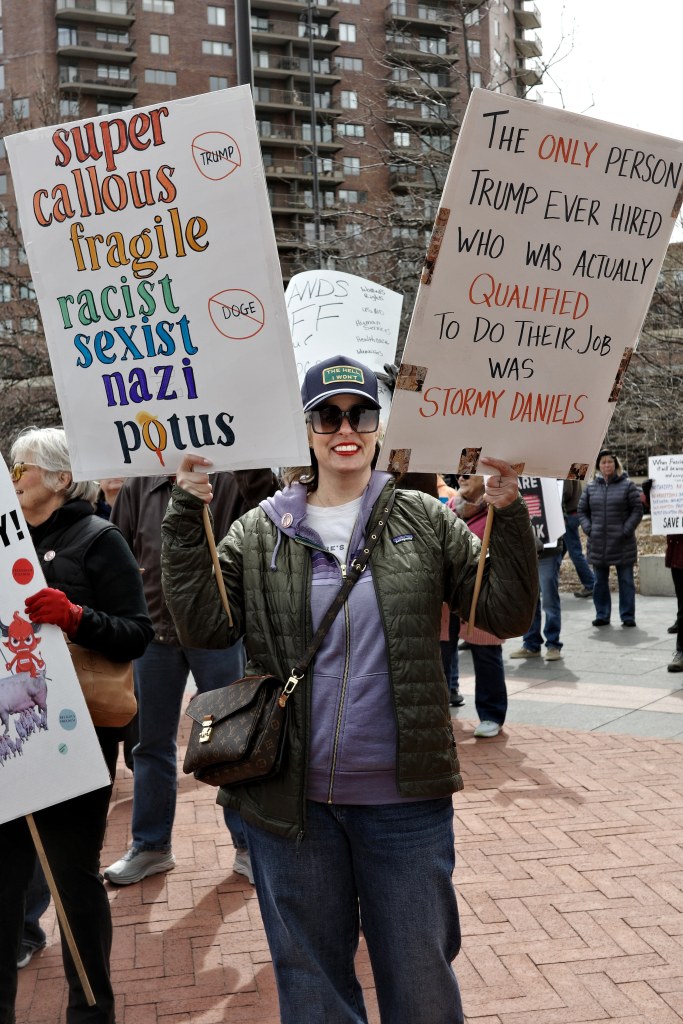
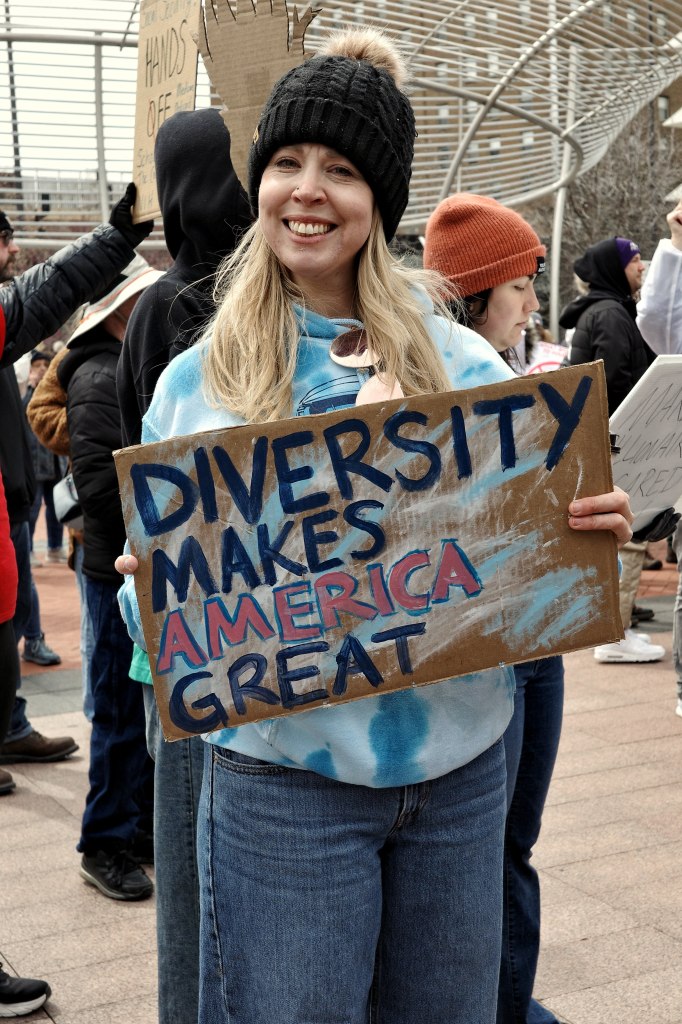
Like a million other concerned people, I attended the local Hands Off! protest yesterday. I wasn’t sure how many people would show up, considering it was a cold, blustery day (about 42F with steady 14mph winds and gusts about twice that). I thought we might still get a thousand people. Maybe.

The local news estimated the attendance to be around 7,500, and they tend to be conservative in their estimates. It was an eclectic crowd with a variety of concerns. Climate change, veteran’s benefits, social security, health care, education, trans rights, social justice, the court system, immigrant’s rights, Ukraine, and more. But there was absolutely universal condemnation of Comrade Trump, Elon Musk, and DOGE.

The protest began, as all protests do, with speeches. I confess, I paid little attention to the actual speeches, though I was pleased to hear the crowd cheering and applauding. During the speeches, I left the main crowd and moved around the fringes. Why? Because there are folks who want to protest and make their voices heard BUT for any of a thousand reasons may be uncomfortable with crowds.

The folks on the fringe of the protest were pretty much the same people who made up the rest of the crowd. They were mostly white (this IS Iowa, after all) but beyond that they seemed to be a fairly representative sample of the protesters. There were young kids (some in strollers), and working class folks, and church-goers, and goths, and office workers, and trans folk, and wine moms, and college students, and old folks (some using walkers), and union members, and passers-by who just wanted to know what the hell was going on.

One of the things I found most interesting about the event was that everybody was 1) happy and 2) pissed off. They were pissed off enough to give up their Saturday to carry signs and listen to speeches and shout for Elon Musk to be deported and for Donald Trump to be impeached and to take over one of the main city streets and march a mile or so in cold, blustery weather to the state capitol building, where they listened to still more speeches. But they were also happy and laughing and clearly delighted to be with others who agreed with them. There was a tremendous sense of relief, and a sense of urgency, and a sense of something approaching hope and optimism. That all seems contradictory, but it didn’t feel like it.

Nobody there thought this march–or any of the hundreds of other marches–was going to change anything. Nobody there was that innocent. But it felt like there was a shared commitment to changing the way we govern ourselves. There was a very clear feeling of joy at the chance to express themselves, to carry signs and chant slogans and shout out their frustration and rage and hope.

It was also clear that this was the first time a lot of these people had attended a protest. At the beginning, there was a tentativeness to the crowd. A lot of looking around to see if anybody was watching, if anybody was upset or offended by what they were doing. This was especially clear when the organizers asked them to take to the street and march up to the capitol, where we’d join up with a second protest. We are a car-brained culture, and these people were unsure about the propriety of taking over a street without permission.

But they did it. And when cars approached the head of the march, they had to stop and make a U-turn. At the back of the march, a lone police officer in a squad car followed to insure no drivers disrupted the march from behind. Within a few hundred yards, this crowd of normal Iowans were chanting, “Whose street? OUR STREET!” There was a palpable sense of released anger and resentment and liberation. It really was OUR street.

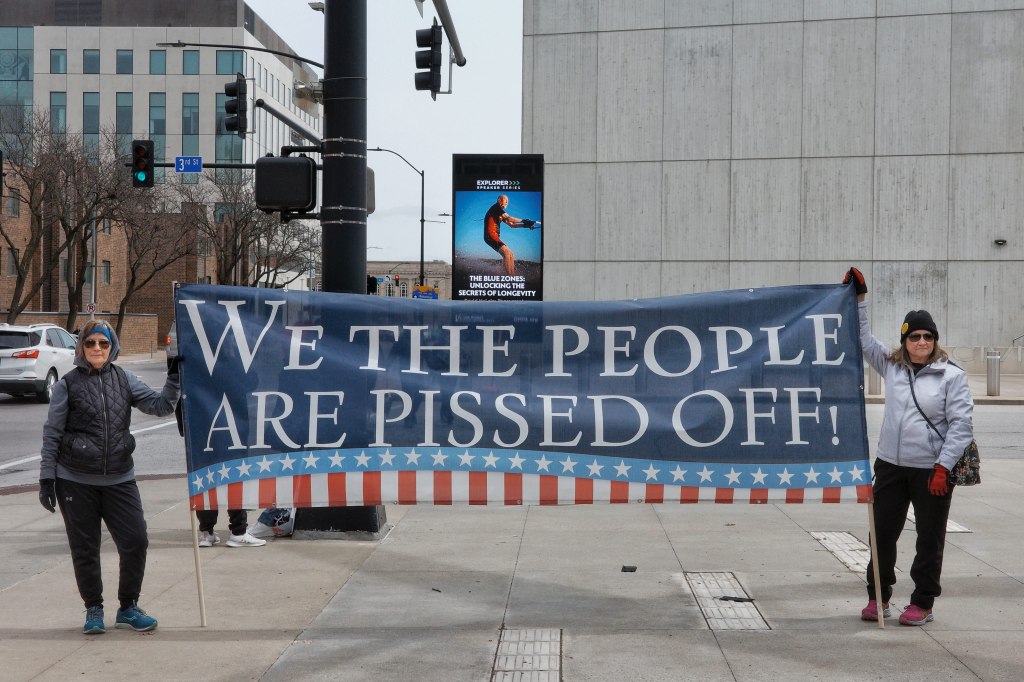
When the crowd took to the street, these two women with their “We the People” sign led the way. It seemed appropriate. Because it’s true. We, the people, are massively pissed off. And yesterday, we let those malignant fuckwits of the Trump administration know it.

I took a lot more photos of (and in) the crowd itself. But here I wanted to show the people who, at least at the beginning of the day, hovered around the fringe of the protest. The people who usually get overlooked. The people who don’t make the highlight reels or the news reports. As so many protest signs said, you know things are grim when even the introverts show up.

You’ll notice that most of these photographs are of women. You’ll notice they’re not drawing attention to themselves. They’re drawing attention to the signs they’re carrying. Signs they mostly made themselves. There’s a song from the 1950s resistance movement in South Africa that goes, “Wathint’ abafazi, wathint’ imbokodo.” This translates as:

When you strike the women, you strike stone.

We’ve been striking stone for decades. Centuries. Eventually, it’s going to spark a fire that will incinerate the patriarchy. It may still be a long time coming, but it’ll happen. And when it does, women like the ones in these photos–the ones quietly occupying space at the fringe–they’ll have helped light that spark.

that bastard Pythagoras

I have a problem with the ancient Greeks. I can never remember who did what, who said what, and who taught what. I can never quite remember which ones were poets, which ones where philosophers, which ones were mathematicians, which ones were playwrights, which ones were scientists. It doesn’t really matter; it almost always turns out that each of them basically did everything.

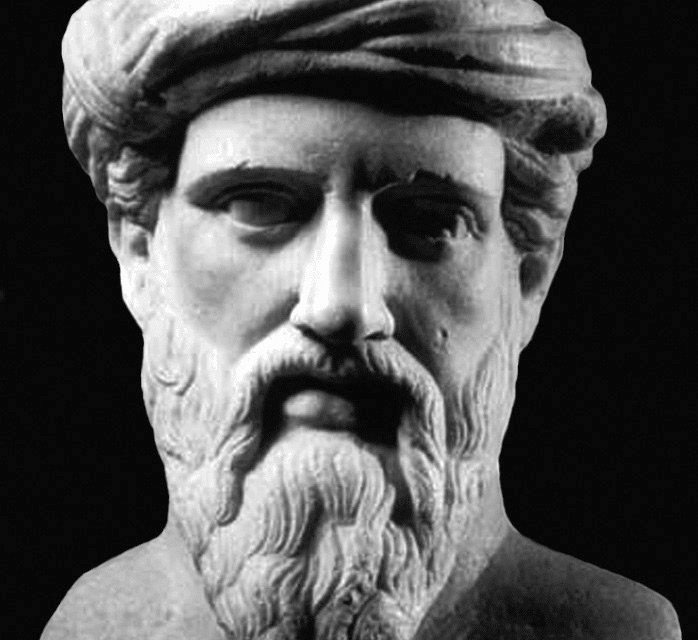
But I know this: it’s that bastard Pythagoras who’s credited with first writing ‘There are two sides to every question.’ Then a couple thousand years later, Thomas Jefferson added fuel to the fire in a letter; he wrote: “There’s always a different point of view, which is entitled to be heard.”

Yeah, no.

Pythagoras and Jefferson, those guys took it for granted that those questions and different points of view would be reasonable, at least semi-rational, and somewhat honest. But that’s not the world we live in today. Today a motherfucker will flat out lie his ass off, knowing the news media will find a way to soften–or worse, justify–the lie. Not only that, they’ll dodge using the term ‘lie.’

One of the lead stories in this morning’s WaPo started with this: Donald Trump and his campaign have waged an aggressive campaign against fact-checking. Which is to say Trump doesn’t want anybody to call him out for lying. The article went on to list a few of his lies, calling them ‘falsehoods’ or ‘fabricated tales.’ Fabricated fucking tales. Aesop, another of those Greeks, he told fabricated tales. Donald Trump tells lies.

Pythagoras. I’m not saying it’s all his fault, but c’mon.

But because of that bastard Pythagoras, WaPo felt compelled to include another side to the story. Ready? This: Harris, too, has taken a cautious approach to interviews. Jesus suffering fuck. That ‘too‘ carries a lot of weight. It suggests Trump’s lies are a ‘cautious approach to interviews’ and Harris is basically doing the same thing. That’s not true. In essence, WaPo is lying about Harris in order to be ‘fair’ to that lying sumbitch Donald Trump.

This stuff isn’t complicated. Yeah, there ARE at least two sides to every legitimate question. But c’mon, journalists, do your fucking job. If Candidate A says, “Gravity exists and a fall from a great height can kill you” and Candidate B says, “Gravity is just a theory and the government can’t stop me from jumping from a great height” that doesn’t mean there are two sides to the gravity story. If you report Gravity opponent not afraid of great height risk you’re basically telling folks it’s okay to be suspicious of gravitation. That’s not news; that’s you being irresponsible by spreading bullshit.

Journalists, Pythagoras and Thomas Jefferson aren’t the boss of you. Stop spreading bullshit. If those guys were around today, they’d say, “There are two sides to every question, but c’mon, you can ignore obvious bullshit” or “There’s always a different point of view, which is entitled to be heard, but complete fuckwits should be shrugged off.”

Grow the fuck up, journalists, Call a lie a lie. Do your goddamn job.

we got us a presidential buddy movie

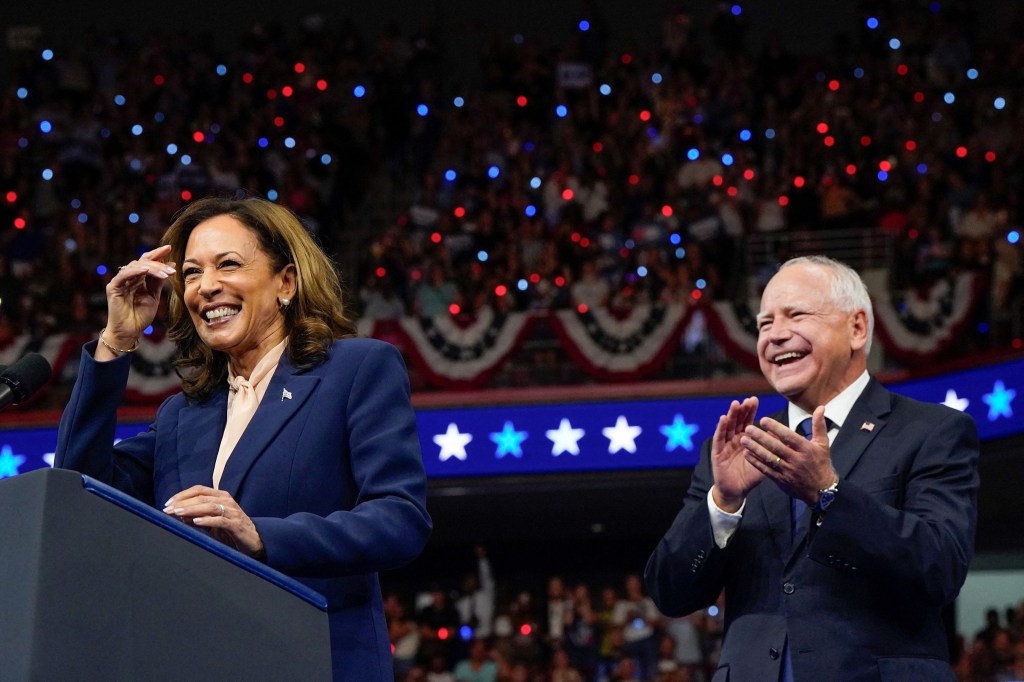
Alright, buddy, I’ll see you soon.” That’s how Democratic POTUS nominee Kamala Harris ended her phone call asking Gov. Tim Walz to be her running mate. She calls him ‘buddy.’

Buddy is one of those familiar terms with a murky etymology. It’s thought to have evolved from butty, an 18th century term for ‘work-mates’ associated with Welsh coal miners. It’s a wonderfully informal word describing close but informal friendships. Buddy has been mostly associated with men, but these days gender is a lot more fluid than it used to be. Oddly enough, that cultural shift has been supported by popular culture in the form of buddy movies.

Buddy movies are basically male rom-coms. Romantic comedies between hetero men. They’re not sexual (usually), but they’re about two people who are intimately close to each other, engaged in some sort of adventure. And people, that’s what we’ve got with Harris/Walz. We got us a buddy movie. Kamala and Tim’s Excellent Adventure.

Sure, in some ways it’s a non-trad buddy movie. I mean, we’re talking about a whip smart mixed race woman former DA from California and a classic Midwestern Dad who’s a balding former social studies teacher and high school football coach. But in all the ways that matter, it’s an absolutely classic pairing. Most buddy movies revolve around two people from different backgrounds with different personalities who go through episodic shit and in the end gain mutual respect and a stronger relationship.

And Coach Walz is perfect casting. He’s the polar opposite of the GOP notion of masculinity. He’s not loud, he’s not a bully, he’s not aggressive, he’s not domineering, he’s not suffering from testosterone poisoning, he’s not brutally competitive. He’s compassionate, caring, practical, thoughtful, considerate, helpful. Walz is the kind of guy who’s not only loan his neighbor a hedge trimmer, he’d also offer to help trim the hedge. And he’d know HOW to trim a hedge.

The Adventure Begins

Tim Walz appears to be a sort of counter-Kamala, but he’s not…and that’s much of what makes this buddy team work. He’s what Kamala Harris would be if she’d grown up a white boy in Nebraska. And she’s what Coach Walz would be if he’d grown up a mixed race girl who moved frequently as a child. They bring together a weird melding of experiences and cultures that work perfectly together. (Editorial Note: yeah, I don’t know if that whole ‘who they’d be’ business is accurate in any way, but it like it so I’m keeping it.)

I’m telling you, we need a campaign poster in which Harris and Walz are dressed in Men in Black suits and shades, with the tagline “Protecting the earth from the scum of the universe.” We need a poster of them in ordinary clothes and the tagline “The Not-So-Odd Couple.” We need a poster of them in Wyld Stallyns t-shirts, standing outside a phone booth, with the tagline “Be excellent to each other. And party on, dudes!”

This presidential campaign is going to be different. Yes, it’ll get ugly at times, and yes we’ll probably be disappointed by something Harris or Walz does, and yes yes yes we’ll still have to see Trump and JD being creepy and hostile and mean-spirited. But buddy movies are all about two people overcoming that shit by being supportive of each other. And the very best buddy movies, like the very best rom-coms, have happy endings.

And let also say this: we fucking deserve a happy ending.

fairness

Try to imagine this. A nation in which entities licensed to broadcast news or entertainment to the public were obligated to set aside a certain amount of their broadcast schedule to discuss controversial matters of public concern–and to do so in a way that included different perspectives.

Let’s say there was a television network called Really Good TV. To keep its broadcast license, RGTV created a regularly scheduled program called Really Important Stuff. And let’s also say there was a public controversy involving…I don’t know, maybe the overpopulation of parrots. RGTV’s Really Important Stuff show might do a segment in which people would discuss whether overpopulation of parrots was a critical issue, and if it was, how it might be handled. They’d include folks who very much enjoyed all the parrots and didn’t think it was a problem, and folks who totally fucking hated parrots and felt they should be poisoned at government expense, and folks who felt the best solution to parrot overpopulation was to allow them to be hunted for sport, and folks who felt parrots should be captured and neutered and released back into the city. Every main point of view would be included in the discussion, and viewers would be allowed to evaluate those positions and make up their own minds.

Reader, we actually used to live in that nation. We really did.

In 1927, Congress decided the agency that regulated federal communications (back then it was the Federal Radio Commission) should only issue broadcast licenses when doing so serves the public interest. Not private interests, not corporate interests, not the interests of the rich, not the interests of a particular political party. The public interest. In 1949, the Federal Communications Commission (which expanded the FRC to include television) created a policy that required the holders of broadcast licenses to 1) present controversial issues of public importance AND 2) to do so in a manner that fairly reflected differing viewpoints. It was called, appropriately, the Fairness Doctrine.

And hey, it worked. Television and radio stations were allowed to decide for themselves HOW to implement the doctrine; they could do it through news segments, or public affairs shows, or through editorials. Nor were the stations required to provide equal time for the various opposing views. But they had to devote some time to important public issues and they had to present contrasting viewpoints.

It didn’t always work smoothly, but it worked. In 1969, for example, the FCC yanked the broadcast license from WLBT television in Mississippi (an NBC affiliate station) because the station’s overtly segregationist politics shaped their decision to refuse to broadcast NBC’s coverage of the civil rights movement.

News media ‘free speech’ includes misleading information & lying.

Think about that for a moment. A local NBC news station refused to show news coverage of the civil rights movement created by NBC–coverage of a nationally important topic–because the owners/staff of that local station opposed civil rights. That local station didn’t have to agree with the coverage (and clearly, they didn’t; WLBT broadcast the Citizens’ Council Forum, a syndicated series of fifteen-minute interviews with segregationists). But they needed to present the issue fairly to their audience, about half of which was Black. When the station refused, the FCC punished them by taking away their broadcast license.

It was a powerful statement by the government that important public issues broadcast on public airwaves needed to be addressed fairly, and that meant including differing perspectives held by the public.

What happened to the Fairness Doctrine? One of the two dominant political parties felt oppressed by having to present opposing points of view. Care to guess which one?

President Ronald Reagan, in the mid-1980s, appointed three new commissioners to the FCC (the fourth had been appointed by Richard Nixon). They issued a report stating the Fairness Doctrine actually harmed the public interest by violating the 1st Amendment protection of free speech. Seriously. The FCC commissioners argued the free speech rights of political entities were diminished by requiring opposing views to be presented to the public. They voted unanimously to abandon the Fairness Doctrine.

Congress, believe it or not, disagreed with the FCC decision. It’s difficult to imagine now, given the current level of hyper-partisanship, but back then both houses of Congress, Republicans and Democrats alike, voted to enact the Fairness Doctrine into law (previously it had only been an FCC policy).

Not surprisingly, Reagan (who, again, engineered the destruction of the Fairness Doctrine) vetoed the legislation. Congress failed to overturn the veto. The FCC decision was implemented. By the summer of 1987, the Fairness Doctrine was dead. Dead as the Wicked Witch of the East–not only merely dead, but really most sincerely dead.

About a year later, in the summer of 1988, radio broadcaster Rush Limbaugh began his new radio show at WABC-AM in New York. In 1991, Democrats attempted to revive legislation to make the Fairness Doctrine law. That failed when President George H.W. Bush announced he would veto the law. In 1996, Rupert Murdoch and former Republican Party political strategist Roger Ailes launched Fox News.

Do the math.