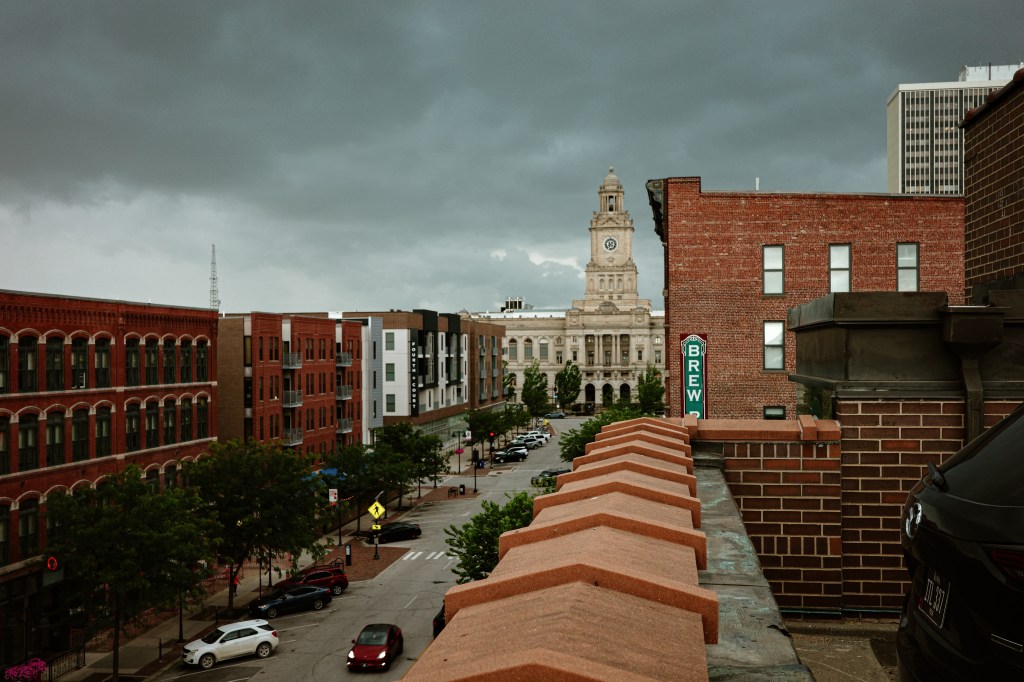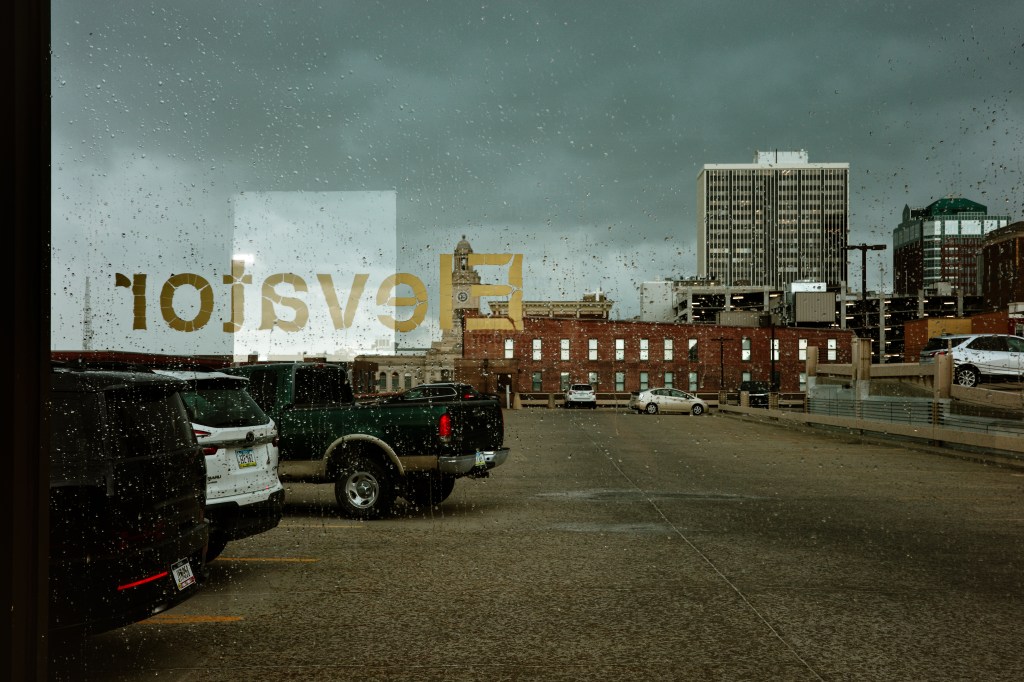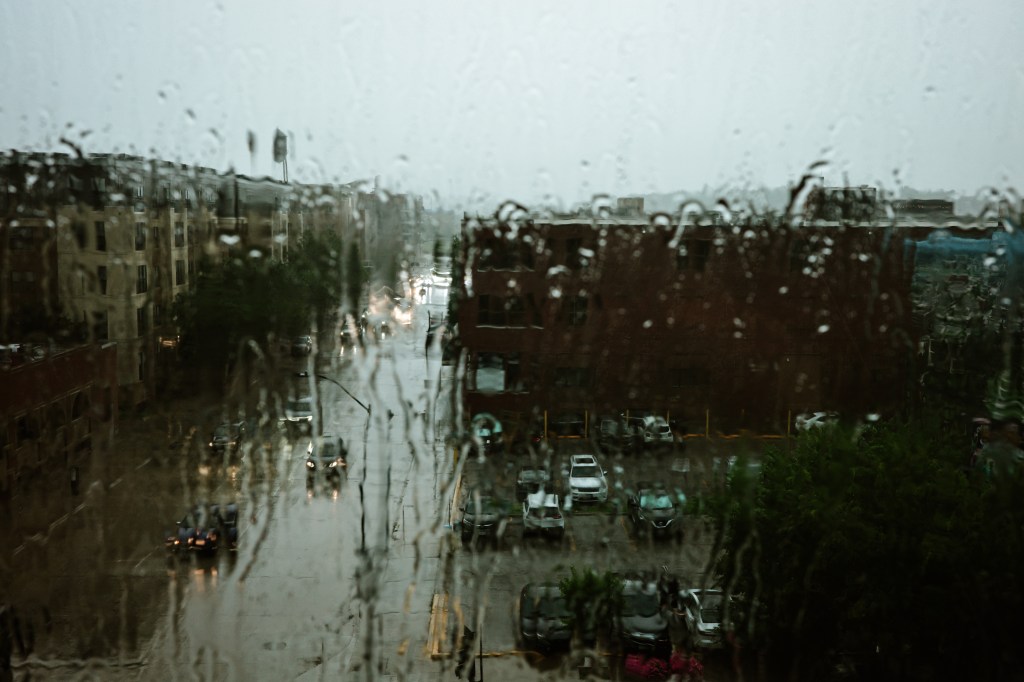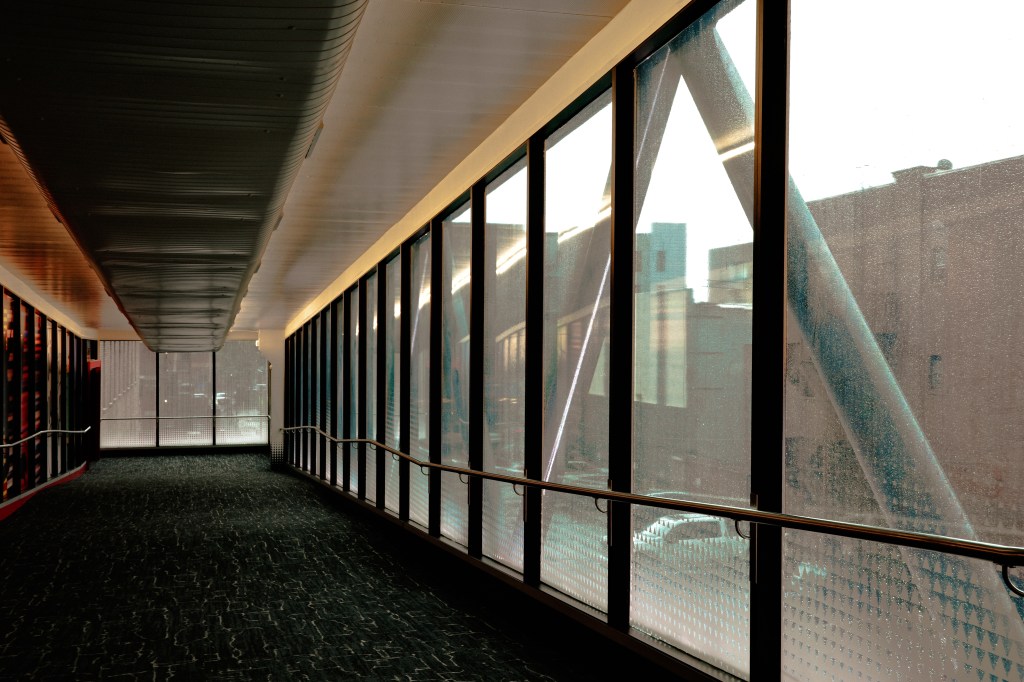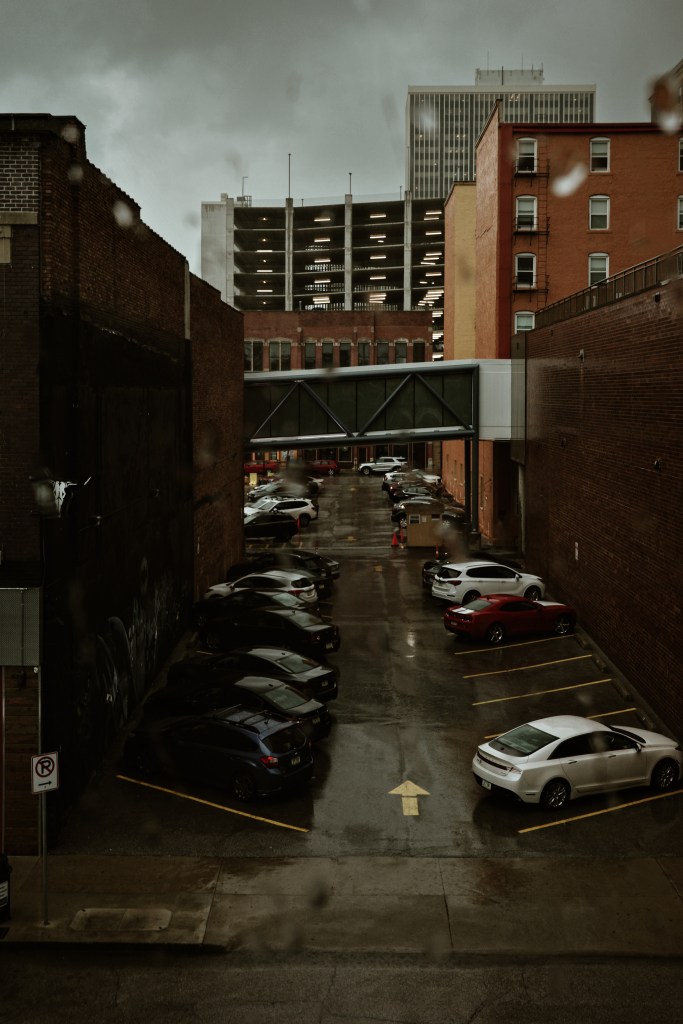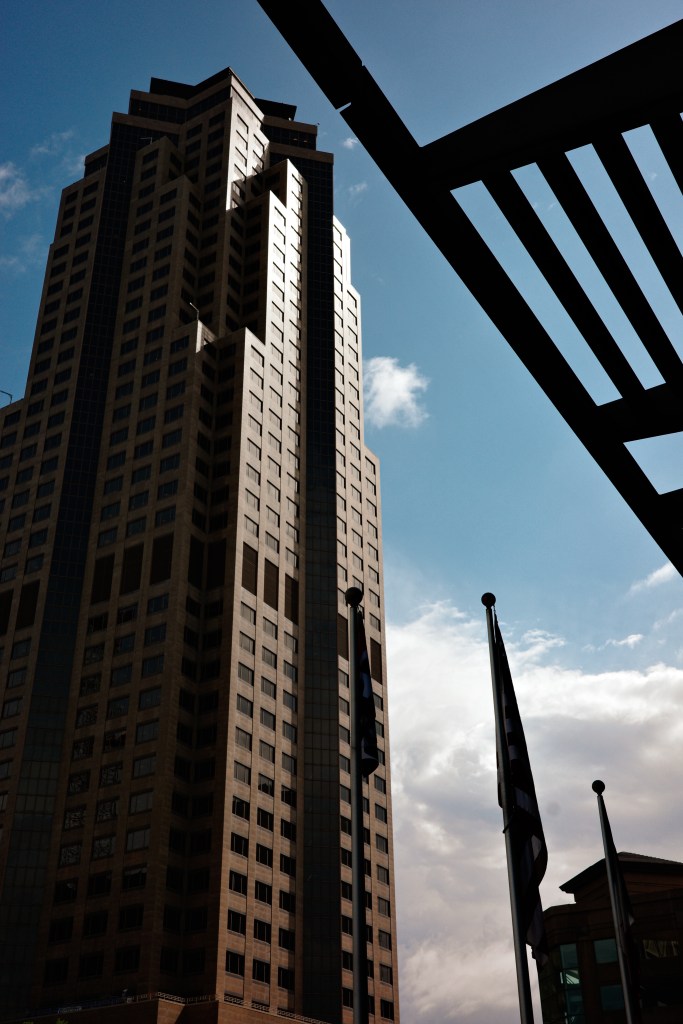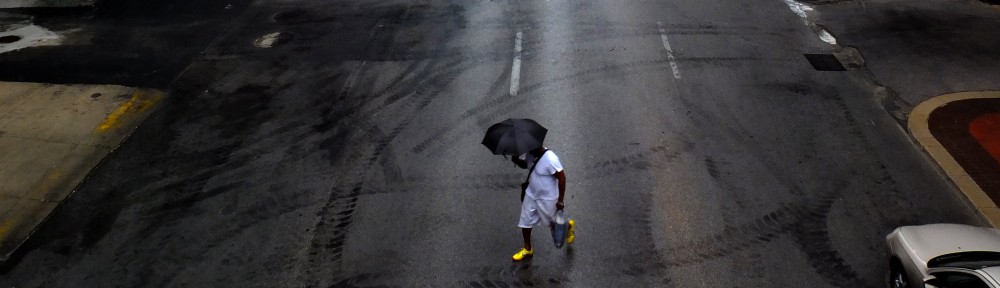
A few days ago I posted some photographs I shot during a rainstorm, which disrupted a planned photowalk. I casually mentioned it was difficult to think in terms of color having just spent “a month of shooting mostly monochrome.” And I realized, I’d failed to write about my May in Monochrome project. So…here.
May is the month when Spring really takes hold. April gets credit for getting it started, but May is when everything seems to change overnight. That whole April-showers-May-flowers business is pretty accurate. May is a colorful month.
So what in the hell was I thinking when I decided to do a month-long monochrome project in May?
I suspect it had something to do with the release of the Ricoh GR IV Monochrome camera back in February. Even though I’m not considering buying one (at least not until they come out with a 40mm equivalent model), I checked out a lot of reviews of the camera. That means I saw a LOT of amazing black-and-white photographs. (Okay, I suppose we have to address the “Is there a difference between ‘monochome’ and ‘black-and-white’?” question. Technically, the answer is yes; monochrome means ‘one color’; we’re talking a single base color along with its different shades and tones. You could, for example, do a monochromatic photo in shade of red. But for most photographers, we use the terms interchangeably. Sometimes because ‘monochrome’ sounds more cool, sometimes (as in my case) it’s because we’re lazy and it takes fewer characters to type than ‘black-and-white. It takes even fewer characters to type ‘BW’ so guess what I’ll be doing for the rest of this post.)
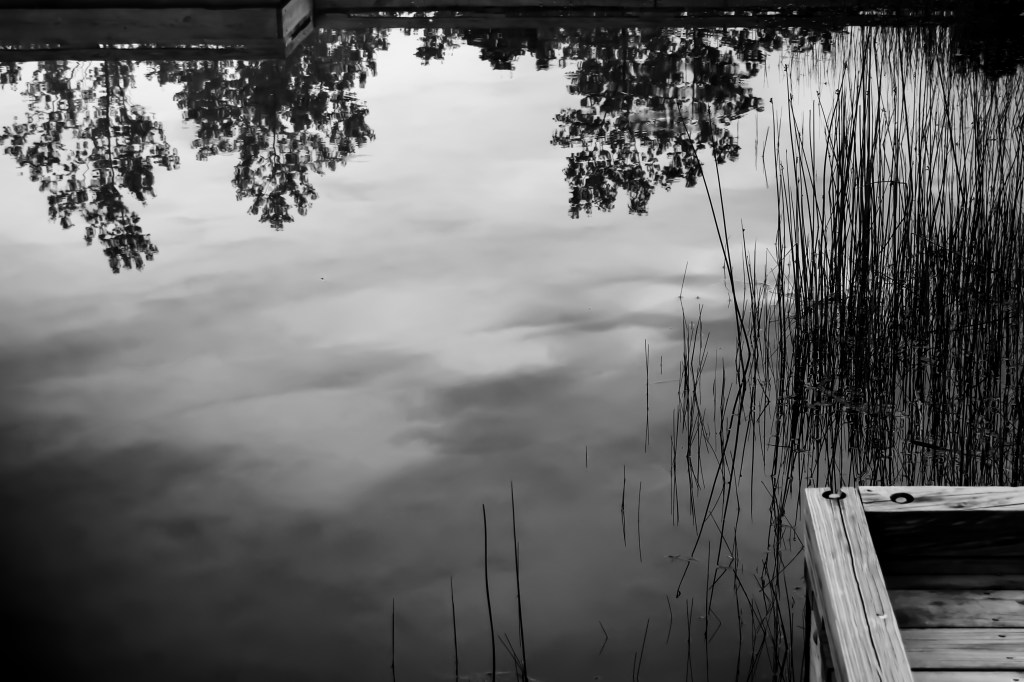
I grew up shooting BW. That was mainly because BW film was less expensive than color film and much easier to process in the darkroom. But shooting BW taught me a lot about line and form and tonality. The release of the new Ricoh camera got me jonesing for BW again, so I decided to devote a month to shooting mostly monochrome. It was just my luck that the new Ricoh happened just before May.
Just to be clear, when I say I shoot BW, I mean exactly that. I never (well, almost never) shoot in color then shift to BW in post-processing. When I shoot BW, I set my camera to BW; everything I see in the viewfinder (or on the display, with the Ricoh) is in BW. I do that to remove the distraction of color. I want to see the world in shades of tone rather than hues of color. When you strip away color, then texture, contrast, light, shadow, and specularity become more critical.
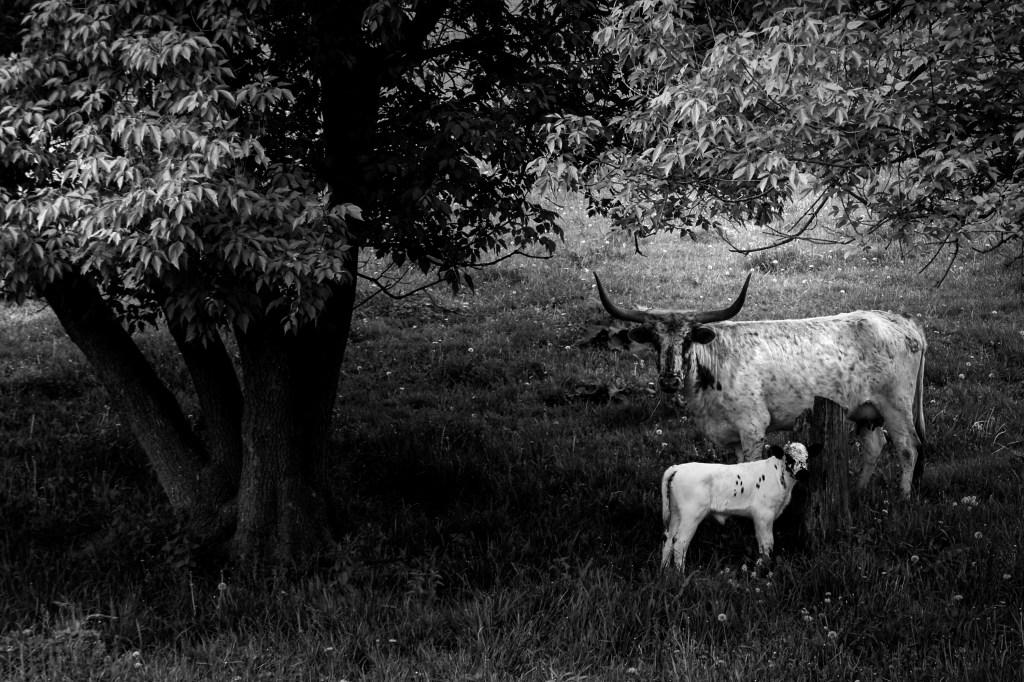
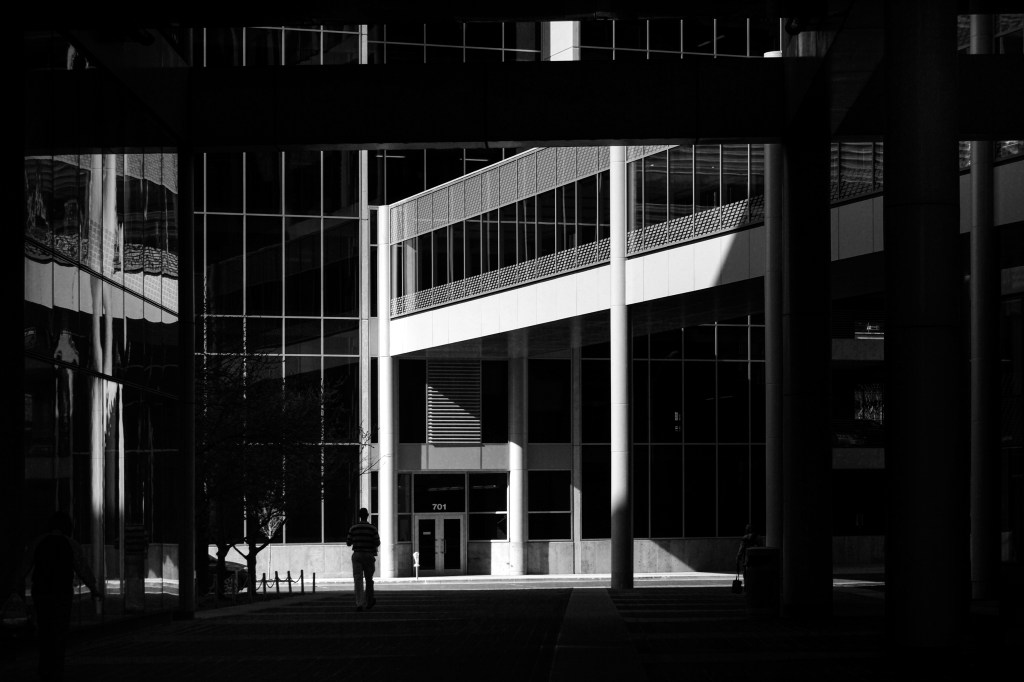
There’s a better than even chance you’re not familiar with the term specularity. It refers to they way light reflects off various surfaces. When light hits a flat surface (like the side of the buildings in the first photo or the surface of the pond in the second) it reflects differently than when it reflects off the rough, bristly side of a longhorn steer. That specularity becomes significantly more important in BW. Specularity makes you decide whether you want hard, sharp, contrasty images or soft diffuse ones. I say ‘you’ have to decide, but in truth the subject matter is often the deciding factor.
If I’m shooting in the city, I tend to go more contrasty (I’m pretty sure that’s actually a word) than when I’m shooting in the countryside.
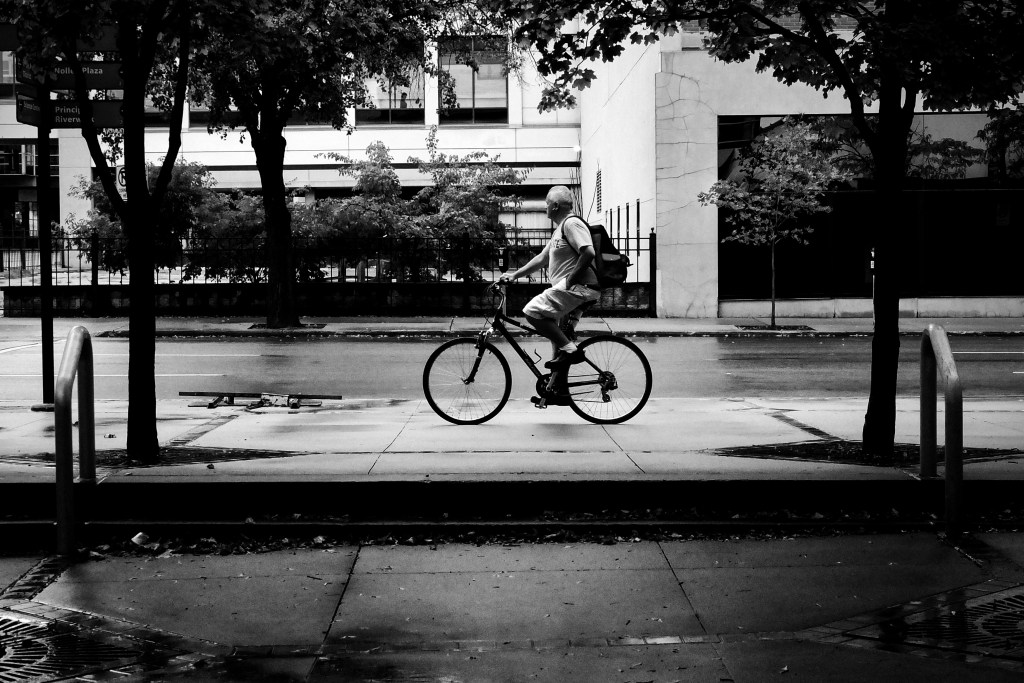
Removing color from a photograph removes any number of visual distractions. Oddly enough, that makes it more difficult to shoot good images. An ‘okay’ color photo can, to some extent, be rescued by the introduction of interesting colors. They draw the eye; color can be visually satisfying in itself. With BW obviously, there’s no ‘interesting color’ rescue. The image succeeds or fails entirely on its composition and tonality. BW photography is more unforgiving.
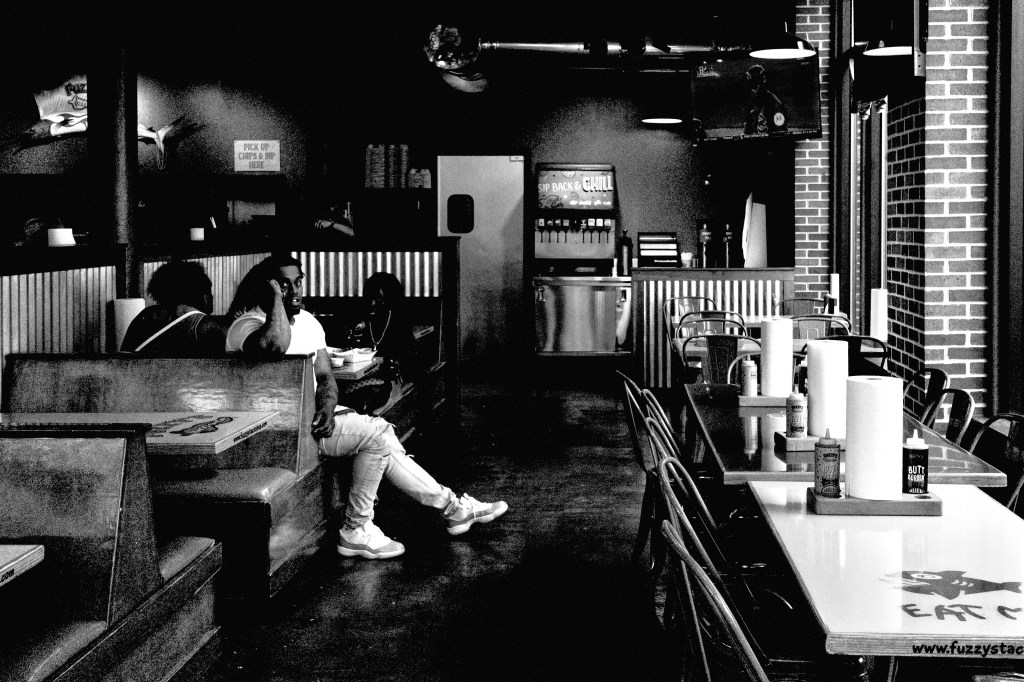
Earlier, I noted that when I shoot BW, I set the camera to BW. A lot of photographers choose to shoot in what’s called RAW format. This captures ALL of the physical information about the intensity and color of the light, which necessarily means it produces an image of unprocessed color. RAW files are meant to be processed later on the computer; they allow you the most control over the final image. In truth, RAW files will produce ‘better’ monochrome photographs.
So why don’t I do that? I’m not entirely sure. I tell myself it’s because when I shoot BW, I want to commit to the image. I don’t want to turn a color image into a BW image. But, again, it might be because I’m lazy and don’t want to spend the time fussing with a lot of post-processing.
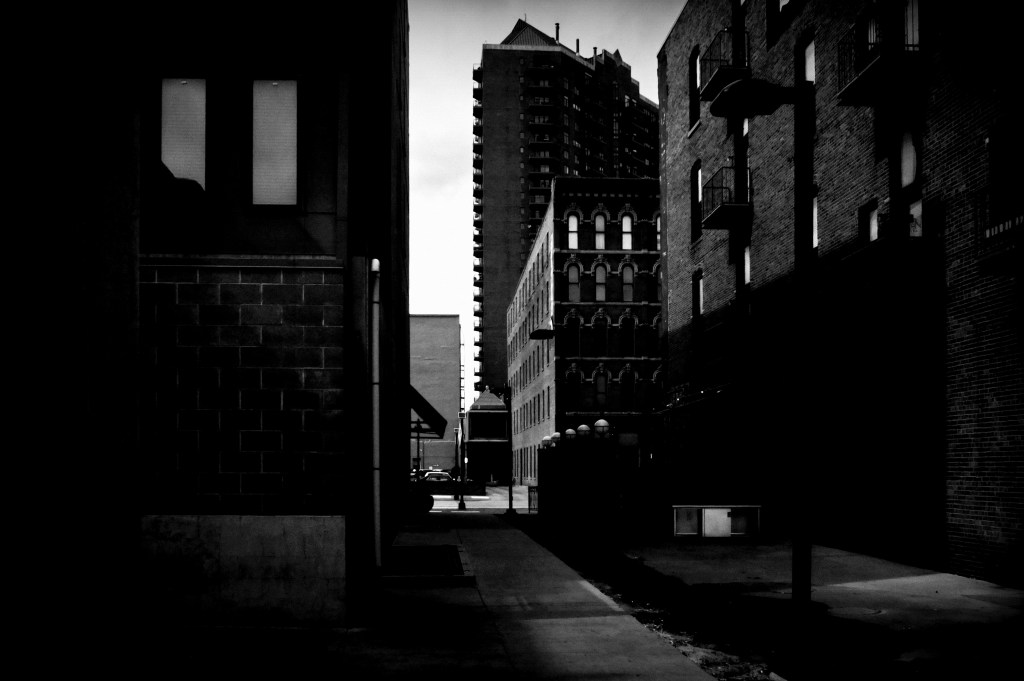
The thing about BW photography is that it feels timeless. I admit, that sentence reads like the sort of bullshit photography purists say when they want you to take them seriously. But there’s some Truth to it. The photograph above, shot in May of 2026, could just as easily have been shot in May of 1986 (the apartment building in the center of the frame was built in 1985). The longhorn cow and calf could have been shot in the 1930s. That’s part of the appeal, isn’t it.
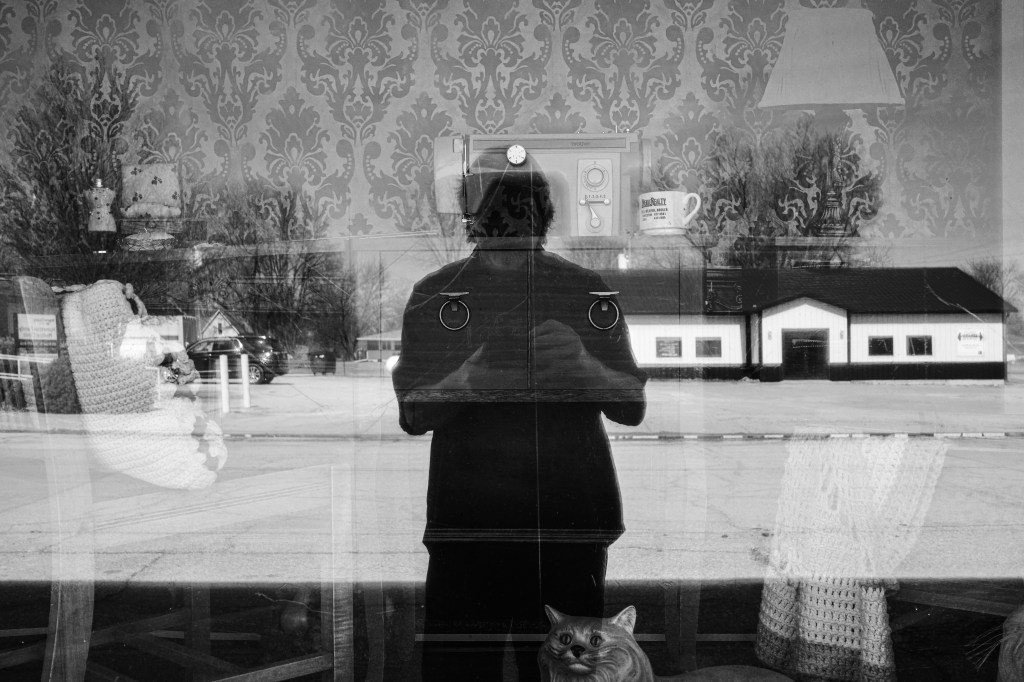
It was fun and challenging to spend a month shooting mostly monochrome. But I’m not likely to do this again, at least not in the foreseeable future. I’ll still shoot BW photos when I see something that feels like it should be shot in BW, just like I always do. But after a while I deeply missed color. Some images are just better in color. In the selfie above, that ceramic cat is orange; the roof of that building in the background is bright blue; the wallpaper was a soft sort of lavender; the sewing machine was hot pink. There’s nothing wrong with the selfie in monochrome; it’s just incomplete.
Maybe that’s the thing. Maybe that’s the challenge. Some images can feel complete (or more complete) in monochrome. And some just can’t. The photographer has to be able to know the difference.