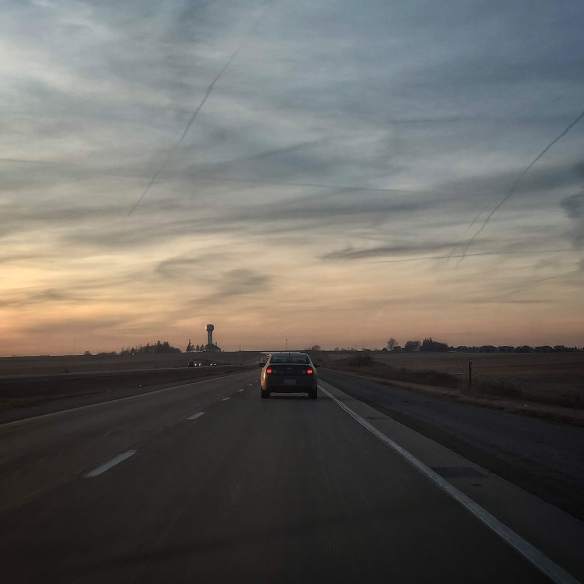
I had to spend a chunk of time on secondary state highways a few days ago. I was a passenger for once, which meant I had the chance to look around and think. In the winter months, the Midwestern landscape can seem awfully empty. Every few miles you can see a clump of trees, which usually means a farm house and the attendant sheds and barns. A water tower lets you know a town is nearby. Occasionally you see some sort of agricultural industrial site; I’ve no idea what gets processed in these places, but they emit strange clouds of smoke or steam. Basically, there’s not much to hold your attention except fields and sky. Fields and sky and your imagination.
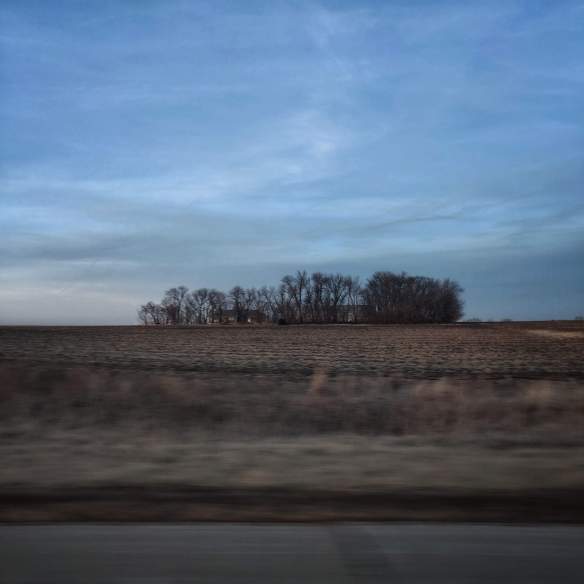
And I had a thought. Not an original thought, to be sure. Others have had this same thought and have written about it. But passing through the bleak winter landscape, the thought made more sense to me. Here it is:
This is what Donald Trump’s interior life must be like. Empty. Devoid of warmth. Cheerless. Comfortless. Unwelcoming. Desolate. Barren.
Like I said, not an original thought. Lots of folks have written about Comrade Trump’s emotional emptiness, his discomfort with any emotion that’s not rage or resentment, his absolute inability to empathize with others, his desperate craving for unearned respect, his boundless appetite for praise, his craving for having the ‘best’ without any concept of what constitutes ‘best’.
But looking at that exposed leaden landscape led me to wonder if Trump’s emotionally sterile inner life also accounted for his inability to appreciate beauty. He’s always surrounded himself with a chintzy sort of glamour, a gaudy display of tasteless wealth. All that cheesy gold ornamentation, all those extravagant flourishes, all that lifeless furniture that nobody wants to sit on — maybe that phony excess stems from a genuine attempt to bring some sort of brightness into his dreary, grim, inhospitable inner being.
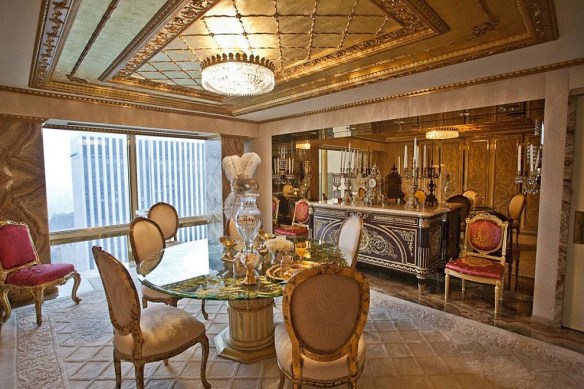
Trump’s home.
More likely (and infinitely more sad), maybe his inner being is so vacant that he can’t even comprehend the existence of feeling something below the surface. Maybe the concept of inner grace and beauty is completely alien to him. Maybe he’s as incapable of experiencing and appreciating beauty as a weevil is of enjoying music.
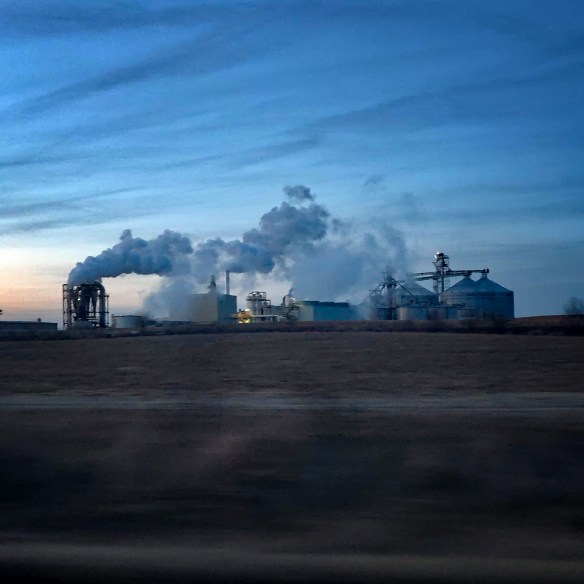
Because another thing I became aware of during my road trip, is that if you appreciate beauty and grace, you find it everywhere. Even on secondary highways in the middle of nowhere at the approach of evening. Even in empty fields, even in isolated farm houses, even in the effluvia of mysterious agricultural plants.