we walk on thursday

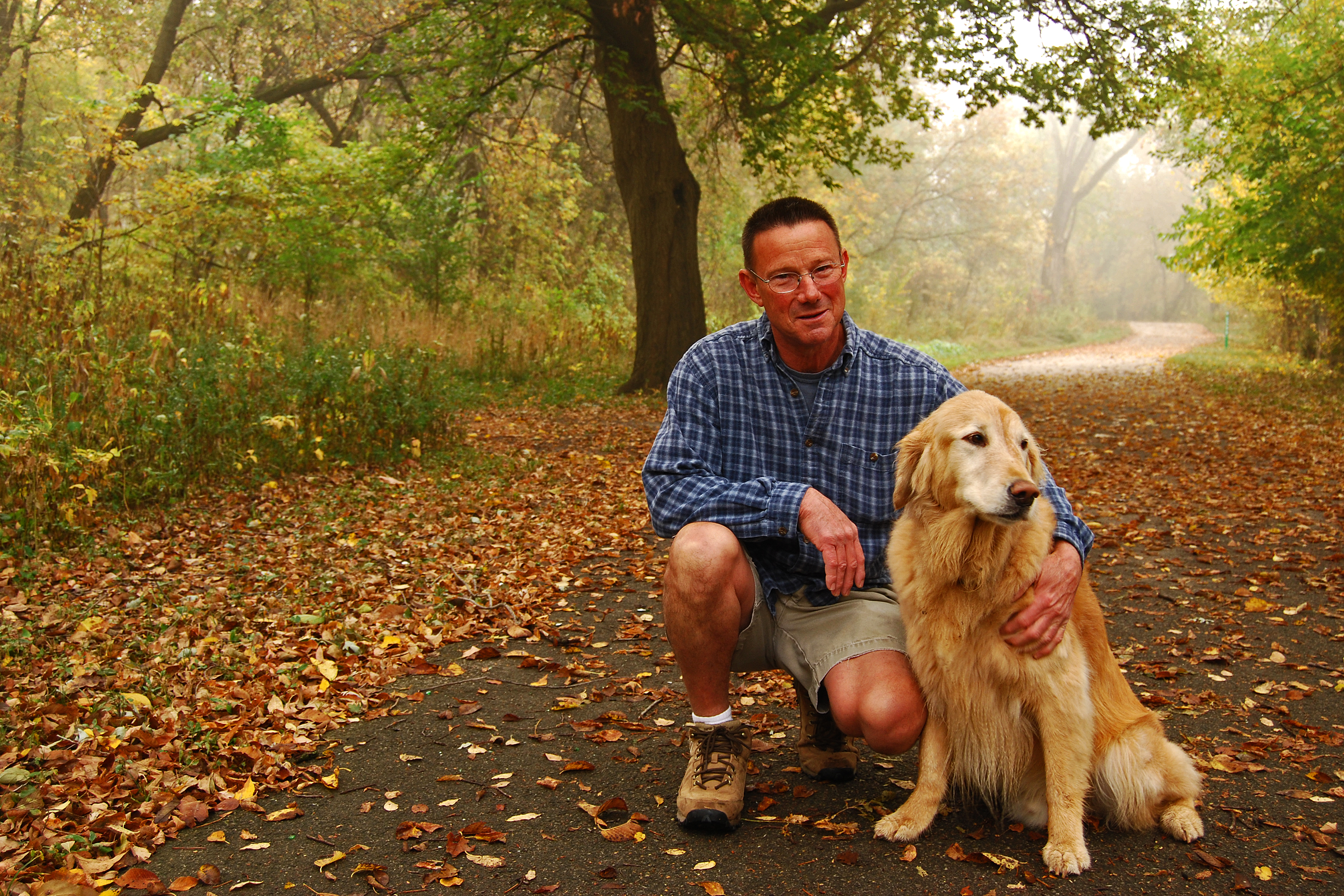
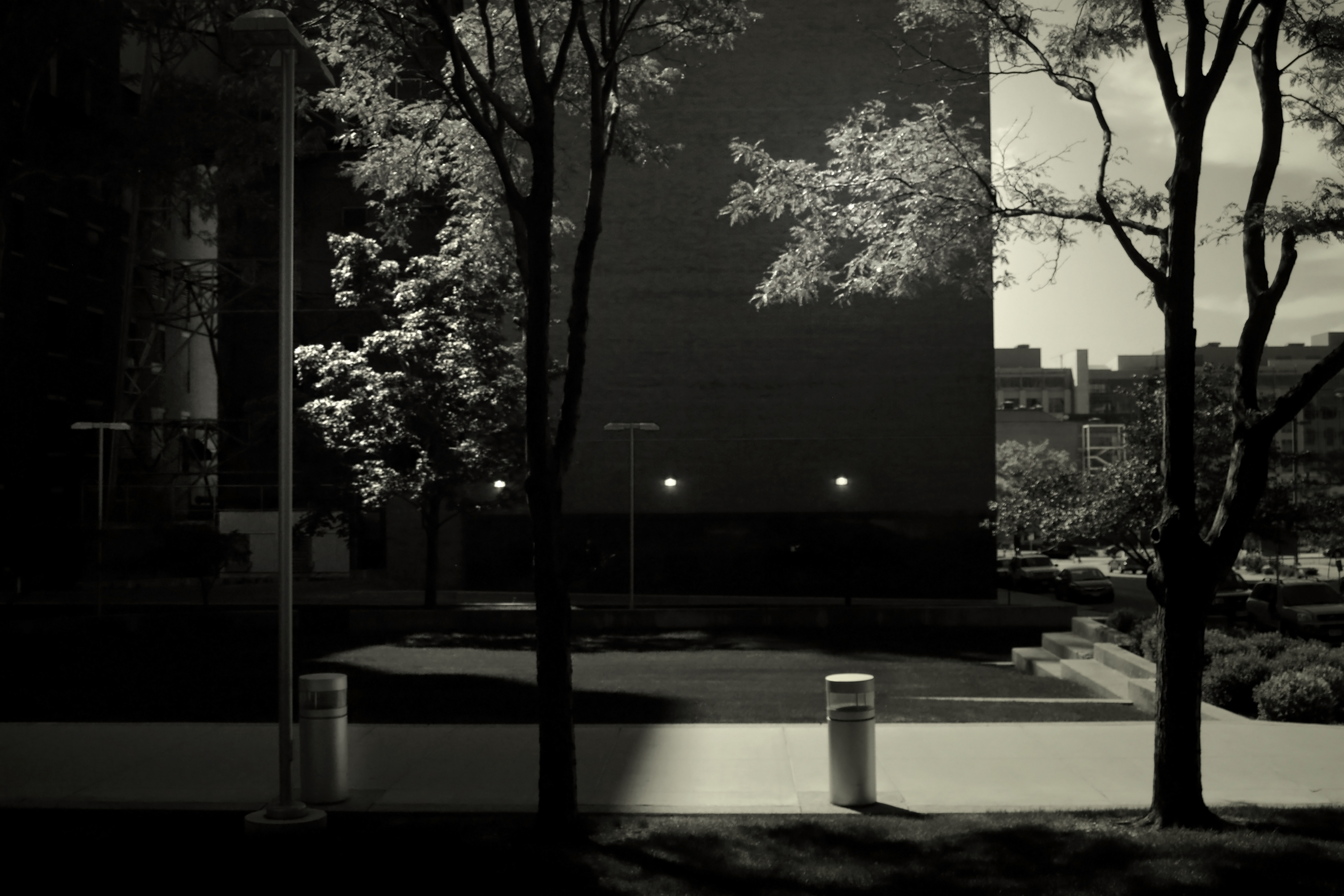
I belong to a group called Utata. The group is an odd collective; we have photographers and writers, we have stay-at-home moms and software designers, we have scientists and security guards—and you can’t always tell which is which. Mostly what we do is talk a lot and participate in photography projects.

Our longest-running project is also our most simple. We walk on Thursdays. As of yesterday, we’ve been doing this every Thursday for 281 weeks. That’s nearly five and a half years. Five and a half years.

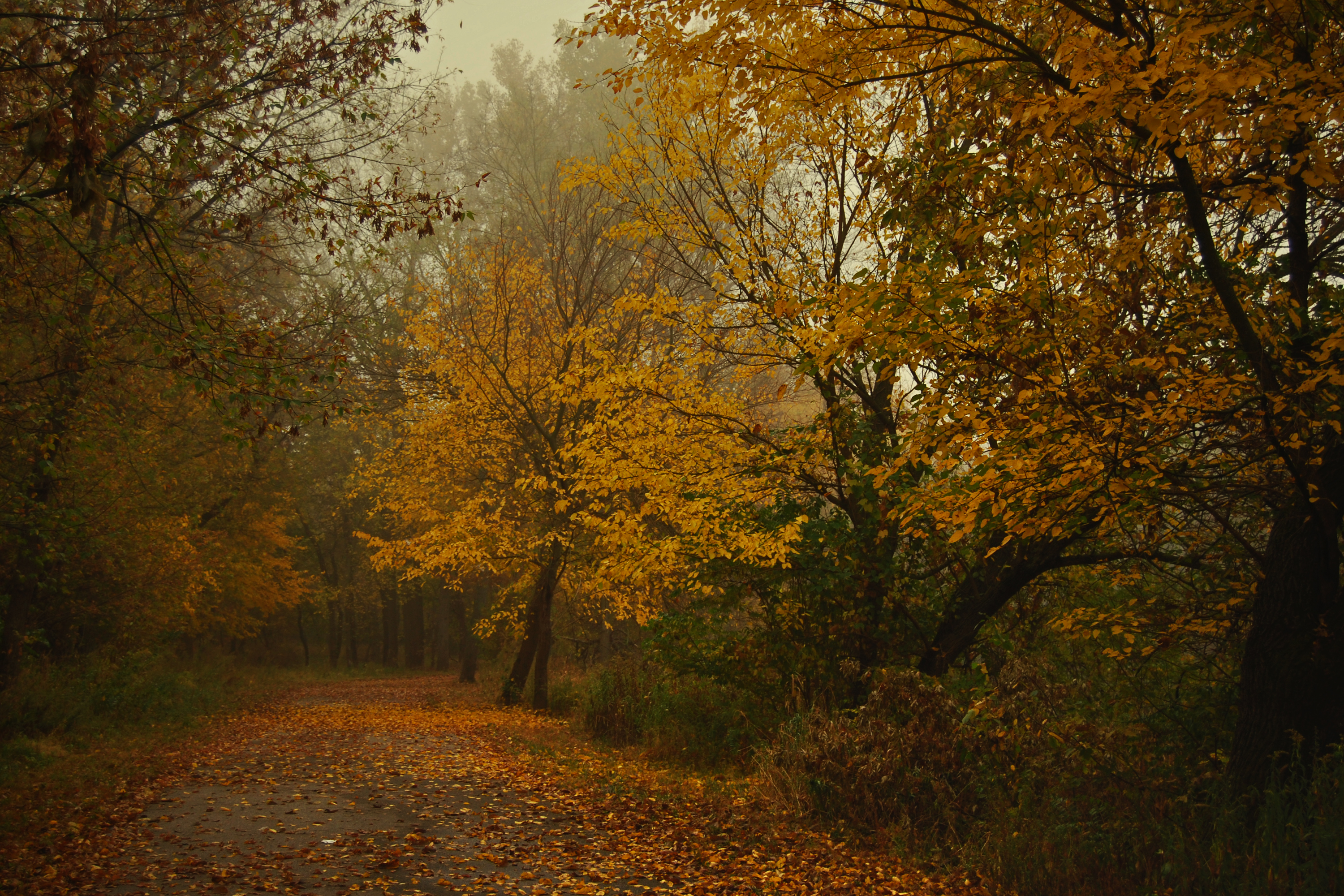
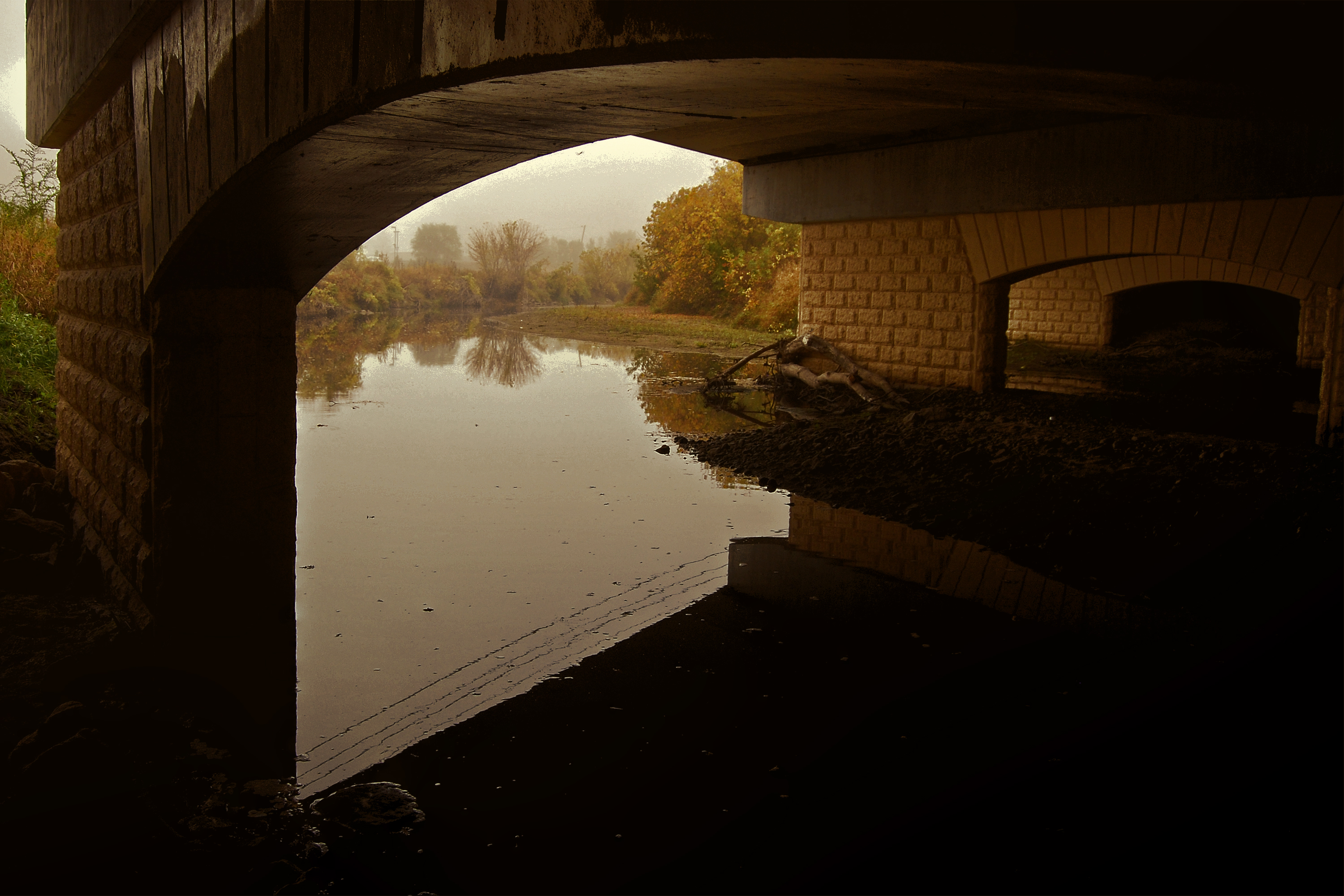
Not everybody in the group walks on Thursdays. We have around 20,000 members, after all. But every Thursday, somebody is walking somewhere and taking photographs. This week we had somebody walking a picket line in Canada, somebody walking down a street in Kaiserslautern, Germany and along a field in Tungelsta, Sweden, somebody walking along a beach in Florida and a harbor in Ireland. And me, I went walking along a wooded creek and took the world’s most common photograph: flowers.

It’s such a simple thing, and yet it’s completely wonderful—and I mean wonderful in the old sense of the term. It leaves me full of wonder. There’s no logical reason for people all over the world to do this—and yet they’ve continued to do it for half a decade. We have continued to do it for half a decade.

I really feel fortunate to be a part of such a group.

alert to possibilities

Ever since I wrote this I’ve been thinking about why I enjoy shooting photographs of traffic signals. I’d never really given it much thought before.

I first photographed traffic signals in 2009, as part of the Utata Storytellers project. The project ended, but I continued to wander around and shoot the signals. I wasn’t trying to make a point or suggest something meaningful—I just wanted to create a certain mood. The traffic signals were just the compositional device that tied the various photographs together.

But having finally turned my mind to the idea, I think I’ve figured out why I’m drawn to traffic signals. First, they’re all essentially the same—one stoplight looks pretty much like another, one Walk/Don’t Walk signal is identical to all the others. But the backgrounds change. What I like is the continuity of the subject matter and the variety of the surroundings. I enjoy finding the best angle from which to photograph the signal, finding the right light, finding the right moment. There are some traffic signals I want to photograph, but not until the shadows are right. There are some that will, I believe, only become an interesting composition if there’s a person in the frame. I’ll sometimes wait ten, fifteen, thirty minutes hoping for just the right person to walk into the frame—and then I need to catch them at just the right point and, it’s to be hoped, in a posture that complements the traffic signal.

I enjoy this because sometimes it’s incredibly easy and sometimes it’s incredibly difficult. I enjoy this because there are traffic signals wherever I go. I enjoy this because even though the photographs are about traffic signals, they’re not really about traffic signals at all. They’re about being alert to possibilities.

a small drama

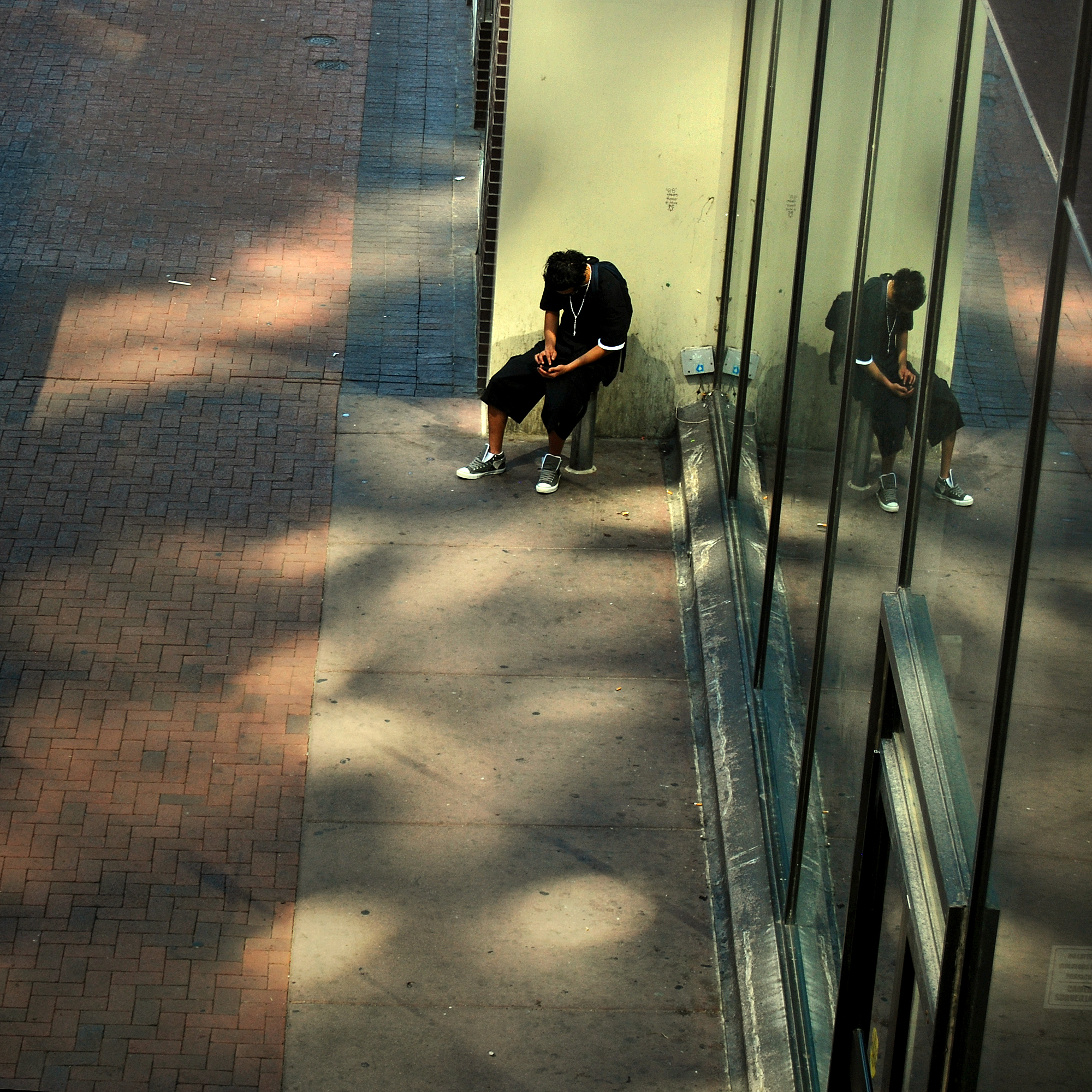
I was in the skywalk when I spotted this kid strolling down the sidewalk and texting. I probably wouldn’t have paid him any attention at all if he hadn’t come to a sudden John Belushi-style halt. He sort of bounced up and down on his toes for a moment, then rushed over to the standpipe, sat himself down, and began texting furiously.

I started to take his photograph, then hesitated. There was something about his posture that led me to think he wasn’t getting pleasant news. I watched for a bit, feeling sorry for the kid and feeling a little guilty for spying on him in his misery. At least I assumed he was in misery; for all I know he could have been involved in some furious last-minute Ebay bidding on an autographed Lady Gaga poster.

So I stood there for a moment. It occurred to me that I’d have had no hesitation shooting his photo if he’d appeared  happy–so why shouldn’t I take the shot just because he seemed distressed? Why should his mood be the deciding factor on whether or not I take a photograph? Why should that matter?

But it did. All the same, I shot the photograph. I felt like a voyeur, and in the end I only shot the one frame–but I took the shot. Afterwards, I found an exit from the skywalk and strolled over to the drugstore, though I’m not sure what my purpose was. I guess I thought maybe I’d see or hear something that would give me some hint as to the kid’s mood. But by the time I got there, he was gone.

I wish now I’d taken my time and shot three or four frames. If you’re going to do a thing, whether it’s morally questionable or not, you may as well do it properly.

passing through

I like to think that at heart I’m really a black-and-white sort of guy. Not in my worldview, but in photography. B&W is all about form and shape, without any of that distracting color. B&W is visceral. You see the shot and it passes directly from your eyes through your balls and straight to the finger on the shutter. B&W is Tom Waits.

I like to think that at heart I’m a black-and-white sort of guy…but I’m not. Oh, I can get close to it now and then—I can visit the territory, but I don’t belong there and I’ll never be a resident. I do enjoy passing through, though.

following through rock

I  used to dislike giving titles to photographs. Then, for reasons I’ve never bothered to try to understand, I began to enjoy giving titles to photographs. Sometimes the title means something; sometimes it’s just a word or phrase that makes an otter slide into my head and I slap it on the photo.

I did that this morning. I was getting ready to post a faux Polaroid in my traffic signal series and I needed a title. I called it Lodestone. No idea why. I wasn’t entirely certain I knew what a lodestone was—a primitive magnet of some sort used as a compass?

It turns out a lodestone is a naturally occurring magnetized mineral called (are you ready for this?) magnetite. But what’s really interesting is that lode is the original spelling of load, and in Middle English it meant a path or a course. Somewhere around the 16th century, miners began to speak of following a vein of ore through the rock—following the lode. They would then carry the lode (load) out, and eventually folks began to differentiate between lode and load.

Because magnetized stone would, if suspended, always point North, a lodestone was a stone that showed one the way.

I still don’t have any idea what that has to do with the photograph. But I learned something new. So there’s that.

ongoing conversations with the curb

There’s an empty lot I like to visit. There used to be a supermarket at that location. I don’t know quite when it was torn down, but nature is slowly having its way with the lot. People once bought Cheerios and pork chops and dish-washing detergent here. Now it’s home to field mice and garter snakes, to rabbits and hawks, to crows and the occasional deer.

I find that oddly appealing.

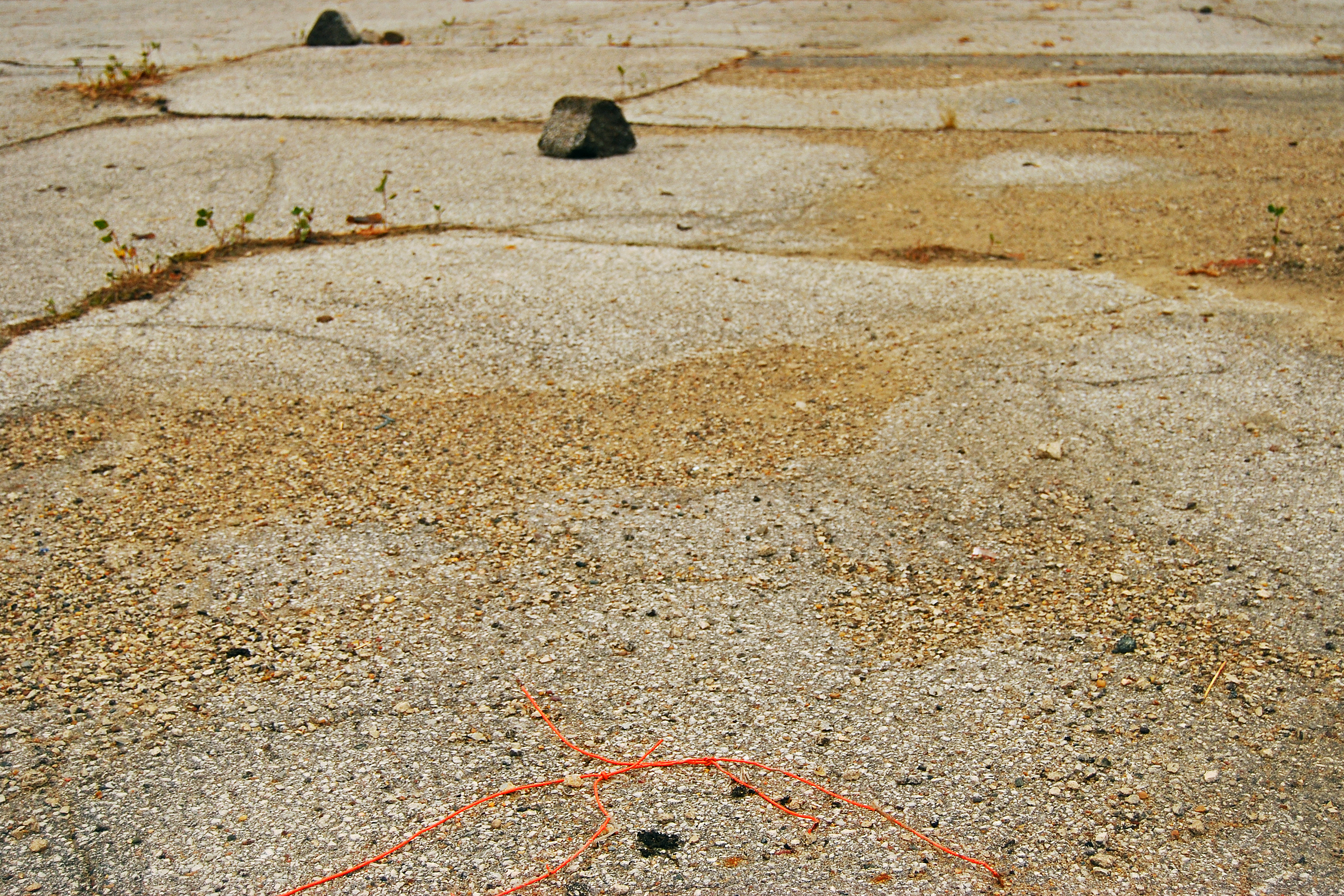
As I wandered around the empty lot back in November I noticed somebody had tied a length of red PVC-coated wire around a chunk of broken asphalt curbing–presumably to make it easier to carry. I’ve no idea why anybody would want to carry a chunk of broken asphalt curbing anywhere, but apparently somebody did–and wanted to make the chore less onerous (although, in truth, the bit of curbing couldn’t have weight more than a couple of pounds). In any event, somebody had toted the curbing some twenty yards from its original position and then set it down.

Why? Why move the chunk of curbing? Why move it only twenty yards? Why weave a curb-carrying net for the task?

I didn’t understand it. I still don’t understand it. I’m completely baffled by it. But I find it inordinately cool.

Every time I passed that empty lot I’d stop and check on the bit of curbing. I’m not sure what drew me–what continues to draw me. I suppose it was as much a ritual as anything else. Nothing changed. The curbing stayed exactly where it always was (what else would a bit of curbing do?) and remained an enigma. The world just moved on around it.

Last winter I noticed a heron had passed by without stopping to ponder the larger meaning of a bit of asphalt curbing wrapped round with a length of red PVC-coated wire. I suppose herons have their own things to consider.

Winter became spring, and I continued to stop by and visit the bit of curbing whenever I passed by the empty lot. I didn’t go there just for the curbing. The lot itself has charms of its own. There’s usually a contingent of shy crows making a fuss in the distance. Fog and mist seem to linger there longer than in the surrounding areas. On occasion somebody from the nearby apartments will wander through, taking a short cut to the nearest bus stop.

I think of those people as trespassers. They’ve no interest in the lot itself, let alone in the chunk of curbing. They have no relationship with the lot. They’re just passing through. Which is perfectly okay with me.

The empty lot might have its own unique attractions, but the curbing–that’s a mystery. It’s the chunk of asphalt curbing that pulls me with tidal regularity. I might visit the empty lot and not pay any attention to this or that particular aspect, but I invariably make my way to the curbing.

I’ve told other people about it–about my fascination for the lot and the curbing. And for the most part, they smile and nod with a sort of kindhearted patience–but it’s clear they see the whole thing as ‘another of Greg’s eccentricities.’ And I suppose they’re right. But how could they not be curious about it? Somebody tied red PVC-coated wire around a chunk of asphalt curbing and toted it a distance of twenty yards–and then just set it down. How can that fail to fascinate?

Then one day I visited the former supermarket and the bit of asphalt curbing was gone.

Except, of course, it wasn’t really gone. It had merely been moved. Somebody had picked it up–presumably by the red PVC-coated wire carrying net–and toted it another twenty or thirty feet. I’d sort of expected something like that might happen. I’d felt the desire to pick it up and move it myself. The more I thought about it, the more I realized it was inevitable that somebody at some point would take hold of the chunk of asphalt curbing and carry it off–even if only for a few feet.

The curbing-mover might have moved it farther, except the wire handle had snapped. The curbing was abandoned where it fell. I suppose there’s no reason to move the curbing at all if you can’t carry  it by the handle.

And there it sat. Through the spring and into the summer, there it sat all by itself, unmoving and unmoved. Until now.

Now it’s been tipped over. Somebody saw the chunk of curbing and, for whatever bizarre reasons, decided to fuss with it. But that’s not the most peculiar thing.

Even more peculiar is the fact that there’s now a second chunk of asphalt curbing beside the first. A second chunk of curbing without any red PVC-coated wire carrying web. A chunk of curbing that doesn’t seem to have come from the same location as its predecessor. A chunk of curbing that was apparently just minding its own business when it was commandeered and carried–apparently by hand–to this new spot.

 And now I’m left, once again, to wonder why. Not just why somebody tied red PVC-coated wire around the original chunk of curbing and carried it for twenty yards. And not just why somebody (presumably a different person), several months later, carried it a tad farther. But why somebody (I’m assuming a third unrelated person) would carry a second chunk of asphalt curbing and set it in the vicinity of the original. Why?

It makes no sense. None at all. It is absolutely bat-shit crazy. The ambiguity is killing me.

I hope it continues.

in which i give a critique disguised as discourse

Over the last couple of years I’ve been slowly banging away at a series of photos centering on traffic signals. A few months ago an acquaintance told me he liked the series and wanted to know if I’d object if he started a similar series.

How could I object? I don’t own traffic signals. So I told him to have at it. Recently he asked me to look at his series and give my thoughts. As a general rule, that’s my cue to run and hide and avoid that person for a few weeks. I tried to distract him with an amusing anecdote about an Irishman, a Jew and a Martian who walked into a bar, but he wasn’t having any of it. So I looked at the photos. I mean, how bad could it be?

Pretty fucking bad, is how bad. He’d jammed about 70 or 80 photos together, of which maybe half a dozen were good (in my opinion, which is a matter of taste, of course). But it wasn’t just a matter of good/bad photographs; he didn’t seem to understand that a series needs to work as a unit, not just as individual images. He didn’t know how to edit them so they worked together.

So I found myself thinking about what makes a series work, and here’s what I think: what makes a series work is its ability to communicate an idea or a mood. It’s not just a collection of photographs of the same thing–coffee cups, the dog, decaying houses, sports equipment, traffic signals. A successful series, I think, finds meaning in the subject, or brings meaning to the subject, or explores relationships between the subject and other stuff, or conveys a specific unifying mood. But it’s not just photos that feature the same thing.

And that’s where this guy failed, in my opinion. They were just random pictures of random traffic signals shot for no other reason than there was a traffic signal in the frame, then clumped together without any editorial thought. If this guy (who, I hope, will be reading this) would only decide why he’s shooting the photos of traffic signals, then cull the images that don’t fit with his intent, he’d have a good beginning for a series.

stubborn

I don’t normally like to photograph kids after they reach the age where they’re aware of the camera and what it does. They tend to respond too much to the camera. Too much or too little.

This is a fairly controlled smile. This is the face she was determined to present to the camera, and nothing I could do or say could crack that control. She’s a smart kid, stubborn as can be. But she wasn’t being stubborn out of mule-headed intransigence. She was being stubborn because it amused her. She made stubborn seem charming.