nobody burned more bridges

“Nobody burned more bridges than Louise Brooks, or left prettier blazes on two continents.”

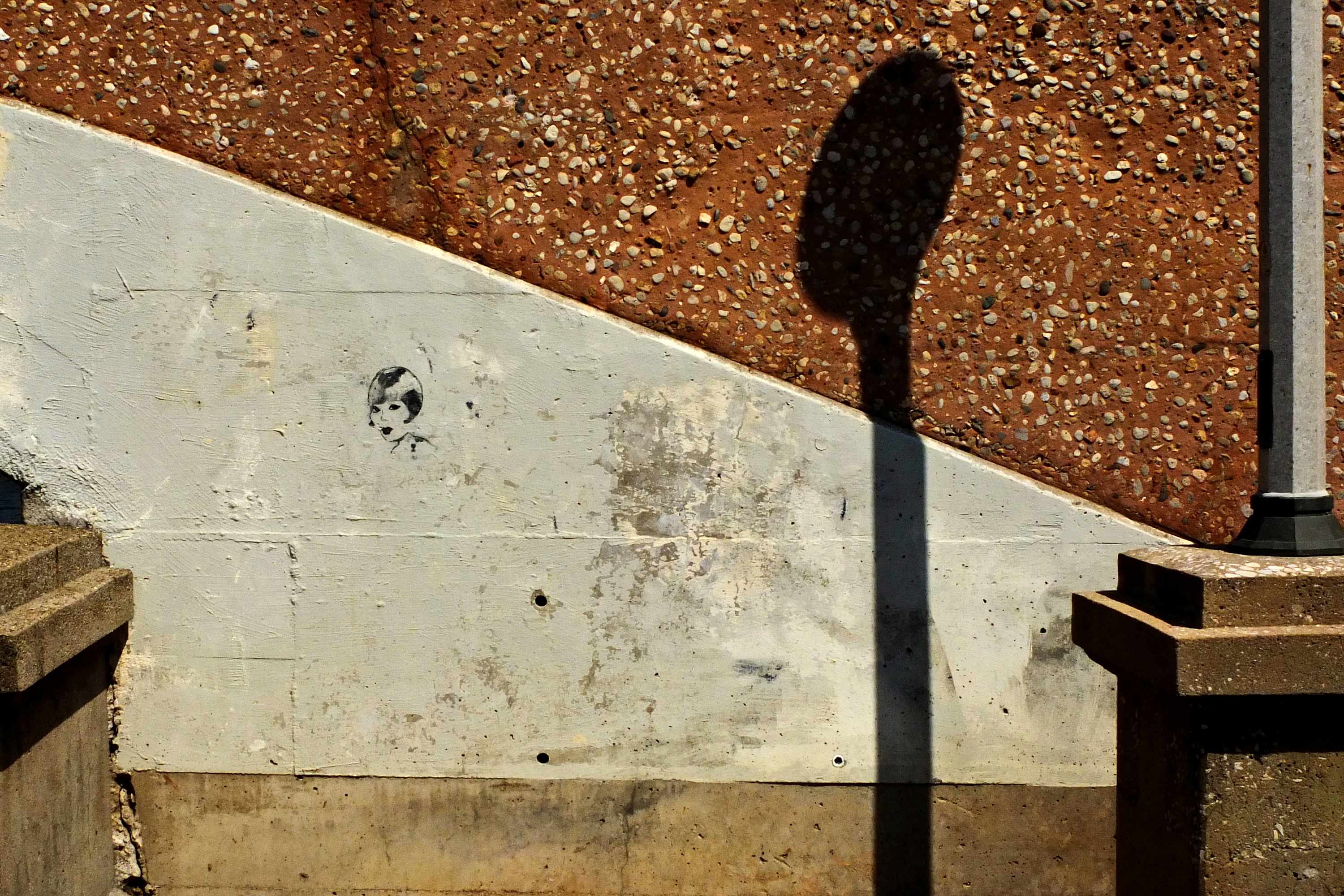
It was a pleasant afternoon and I was strolling along the riverwalk, which is a thing I like to do whenever possible. I was thinking about all the stuff I needed to get done, which is a thing I like to avoid thinking about whenever possible. As I approached one of the many bridges that cross the river I noticed a small sketch inked or painted on the side of the abutment.
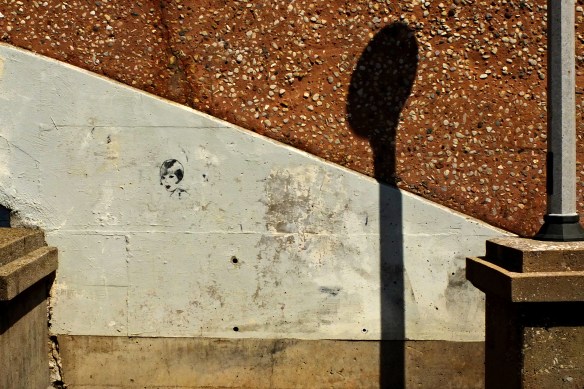
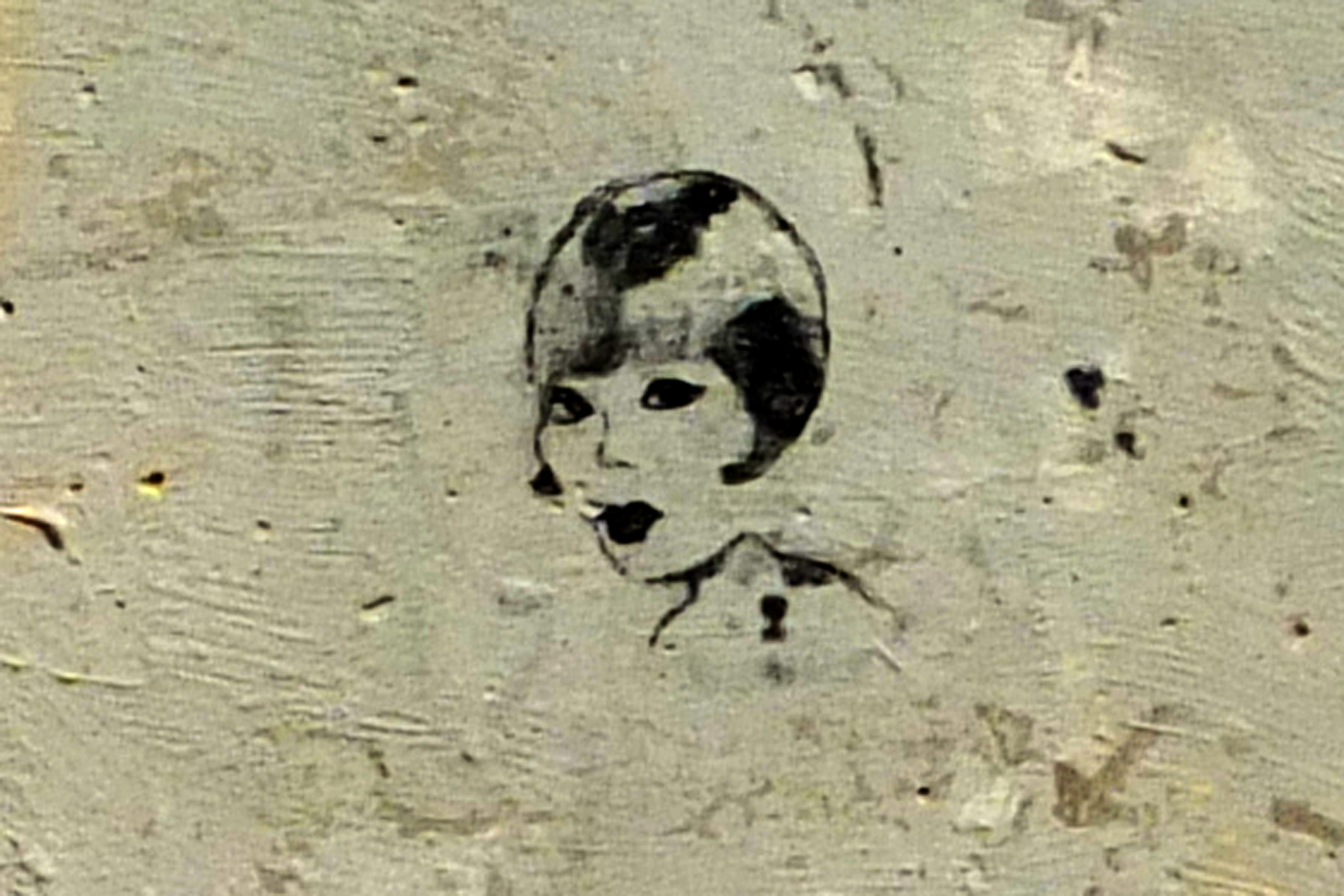
It clearly wasn’t the usual graffiti. It was a woman’s face, sketched small — not much bigger than my hand. There was something very familiar about the face. It was the hair, mostly — that short angled bob — but even the pose reminded me of something I’d seen somewhere before. I knew that face.

I stood there for a time and studied the sketch. There seemed to be a slight Asian quality to her eyes, and I wondered for a bit if it might be a sketch of Anna Mae Wong — the first Chinese-American movie star of the 1920s and 30s. I’d seen a documentary about Wong at some point, and it mentioned her as having gone through a ‘flapper’ period. It might be her.

Anna Mae Wong

Anna Mae Wong

But no. When I returned home, I cracked open my computer and a quick Google search confirmed it. Whoever it was — if it was intended to be a sketch of an actual person — it wasn’t Anna Mae Wong.

But who was it? I was absolutely certain I’d seen that face somewhere. Maybe I’d come across a photo similar in style while researching a Sunday Salon. Some photographer from the 1920s or 30s, certainly. American? Possibly, but more probably European. A French photographer, perhaps. That hairstyle, though, definitely belonged to the flapper era. Was that a uniquely American Jazz Age phenomenon? Or was the flapper fashion cross-cultural? I’d no idea.

So I tried a Google image search using the keywords flapper bob. It seemed like a long shot…but there she was: first photograph on the first page.

Her name is Louise Brooks, and she wasn’t European. She certainly wasn’t French — at least not by birth. She was born in 1906 in a small town in Kansas, of all places — a town with the improbable name of Cherryvale. She wanted to be a dancer, which was quite an ambition for a girl from Cherryvale (which, at the time she was born, had a population of about 4000 souls — almost double the current population, which tells you something about Cherryvale, Kansas).

Louise decided to do what all ambitious Midwestern girls dream of doing: she packed a bag and went to New York City. That was in 1922; Louise was 15 years old.

She was accepted into the Denishawn Dance Company, run by famed choreographers Ruth Saint-Denis and Ted Shawn. By 1923 she was one of the company’s principal dancers. By 1924 she was fired from the company because of her temper. By 1925 she was dancing in London, where she gained some notoriety for being the first woman in England to dance the Charleston on stage. Later that year Louise returned to the U.S. and signed a five year contract with Paramount Studios. She was 19 years old and they told her they wanted to make her a movie star.

And lawdy, they did. They surely did.

She made a number of silent films in the U.S., and her signature hairstyle quickly became adopted by young women all over the country. For the most part Louise played flappers and vamps, roles for which she was perfectly suited since she actually was a flapper and a vamp. Her career at Paramount was tumultuous — she drank too much, she had affairs with men and women (including Marlene Dietrich), she argued with the studio executives, and she alienated directors and producers by ‘reading too many books’ and having too many opinions.

And once again her fiery temper caused her to be fired. As before, Louise responded to being rejected by going to Europe and becoming a success. In 1929, at the age of 23, she made the film for which she’s best known: Die Büchse der Pandora. Pandora’s Box. Here’s how the movie is described:

The rise and inevitable fall of an amoral but naive young woman whose insouciant eroticism inspires lust and violence in those around her.

Louise played the role of Lulu, the ‘amoral but naive young woman.’ The movie itself is confused and disjointed, but by all accounts Louise personified the role. It lifted her from the status of ‘movie star’ up into the category of ‘movie legend’ and eventually ‘cult figure.’

Her life continued at the same dizzying, passionate pace. She returned to Hollywood, she married millionaires and divorced them, she argued and seduced and drank and danced, she posed in the nude for photographers, she made two more films (one with John Wayne) and then abruptly left the movie business. She moved back to New York and spent herself into bankruptcy. By the time the Great Depression rolled around Louise Brooks was broke but well-dressed. She worked part-time as a salesgirl at Saks Fifth Avenue and part-time as a courtesan, keeping company with the city’s few remaining rich men.

By the 1950s, Louise Brooks was something of a recluse, living in a small New York apartment. Then French film historians rediscovered her and began to revive her films. The critic Henri Langlois declared “There is no Garbo, there is no Dietrich, there is only Louise Brooks.” The French revival sparked interest in the U.S., and caused the film curator of the George Eastman House to track down Louise in New York City. He persuaded her to move to Rochester, NY, where she began to write about her life and acting career. She became something of a film critic herself, and later published an autobiography titled Lulu in Hollywood. When Liza Minnelli was looking for inspiration on which to base her character Sally Bowles in the movie Cabaret, she found it in Louise Brooks. Her life story fueled novels and biographies, it drew the attention of documentary filmmakers, and even became the underlying concept of a popular and influential Italian erotic comic book series — Valentina.
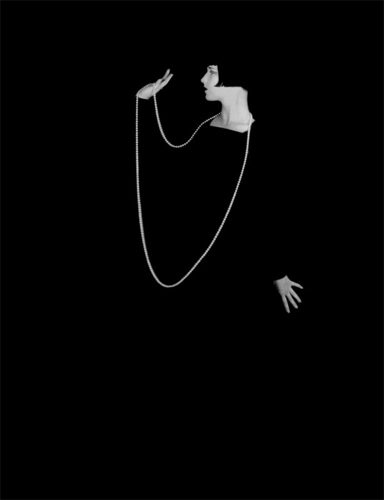
That face went from Cherryvale, Kansas to New York City to London to Hollywood to Germany to Hollywood again and New York City again to Rochester, NY and now it’s on the side of a bridge crossing the Des Moines River, some four hundred miles from Cherryvale. That’s a hell of a journey. It’s a hell of a story. Louise Brooks was a hell of a woman.
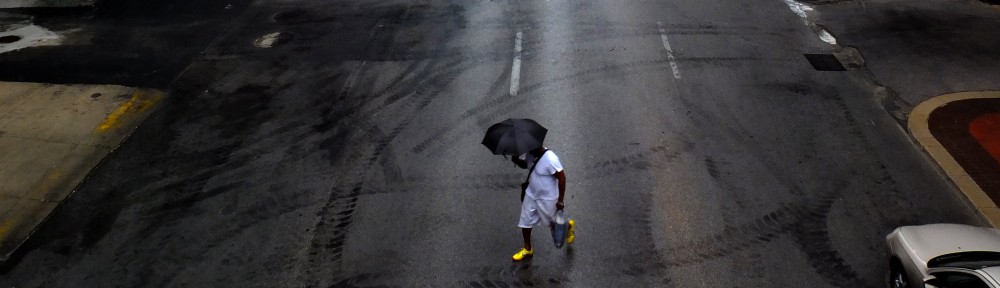
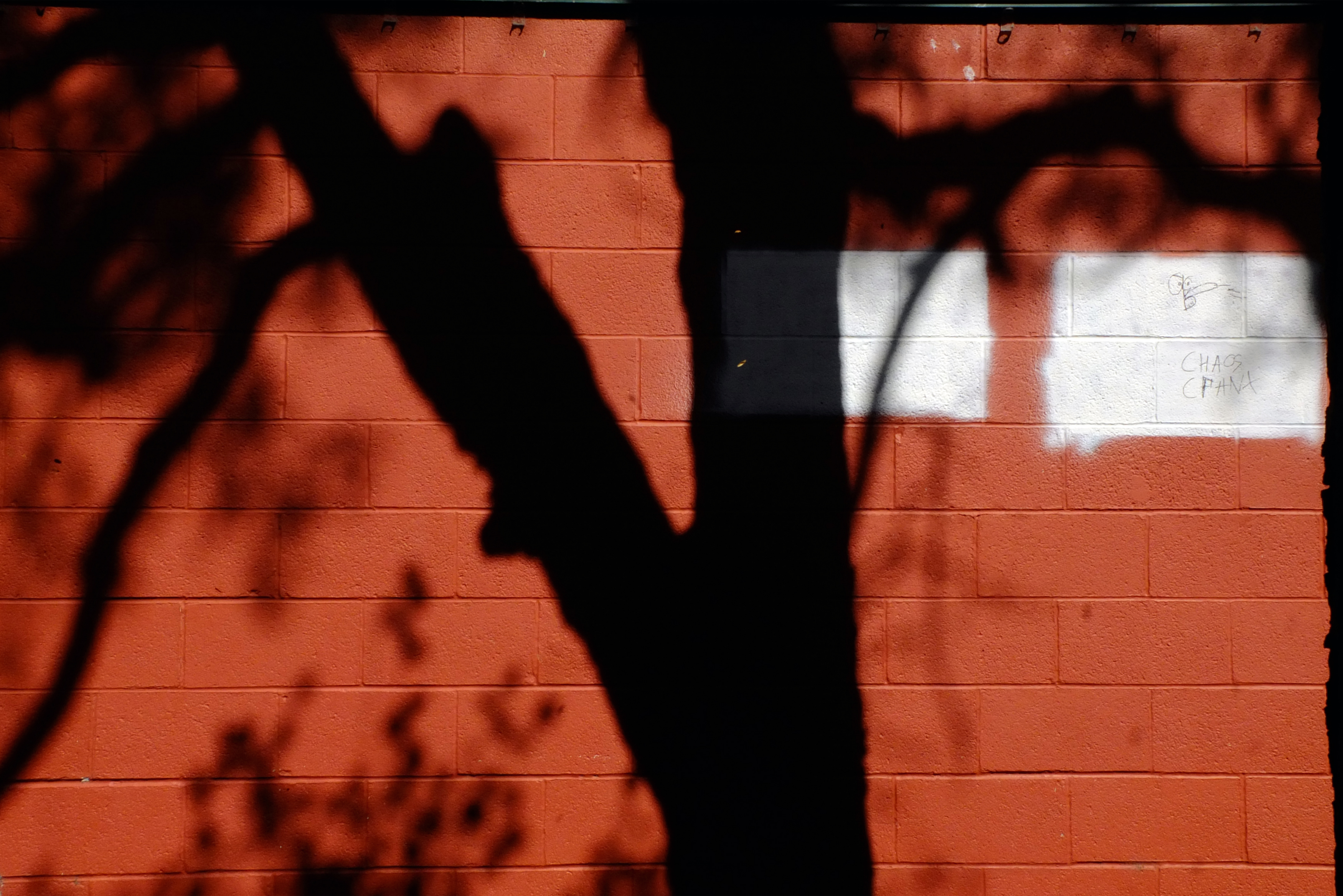
boneheaded mistakes

I have a new camera. I’ve had new cameras before, but not like this one. Almost all of my previous new cameras were SLRs or DSLRs, and it was fairly easy to adjust to them. A slightly different feel in the hand, some variation in the menu system — that was it.

But not this time. This time is different. This time the new camera is a Fujifilm X10.

It’s a sweet little unit. Small but sturdy, beautifully constructed, extraordinarily quiet to use, pleasing to the eye but plain enough to be inconspicuous. It’s a rangefinder style camera, with an optical viewfinder that gives you absolutely NO information at all. No shutter speed, no aperture, no ISO, no hint at metering, nothing at all. If you want to get a good exposure, you’d damned well better know what you’re doing.

Oh, you can turn on the LCD monitor and use that to compose your photograph. That’ll provide you with nearly as much information as the Mars rover sends back to JPL. The LCD certainly makes shooting photos a lot easier. But I find I’m relying almost exclusively on the information-free viewfinder. It reminds me of my very first camera — an old Argus rangefinder from the 1950s. Completely manual, of course. I don’t think it even had a built-in light meter. It was just a metal box with a lens. Relying on the viewfinder with the X10 is like remembering how to drive a car with a manual transmission — you make some awkward and noisy mistakes, but you recall how much fun driving can be.

I wanted this camera to tote on my bicycle, but it’s turning out to be an ideal cityscape and street camera. I have no hesitation in pulling out the subtle little X10 in situations where I’d have been reluctant or unwilling to use a DSLR. There IS some hesitation before actually shooting the photo, however. Not because I’m uncomfortable with it, but because I have to pause a moment to consider issues of exposure. I have to hold back a bit while I judge the parallax error caused by the viewfinder.

It’s like learning to shoot photographs all over again. For the most part I walk around following the old Weegee rule for exposure: f8 and be there. But when immediacy isn’t an issue, I have to actually evaluate lighting conditions and decide on the proper exposure. Photography has become a challenge again. Every decision point that was second nature with a DSLR now requires active thought, which keeps me more engaged in the moment.

And isn’t that what photography is all about?

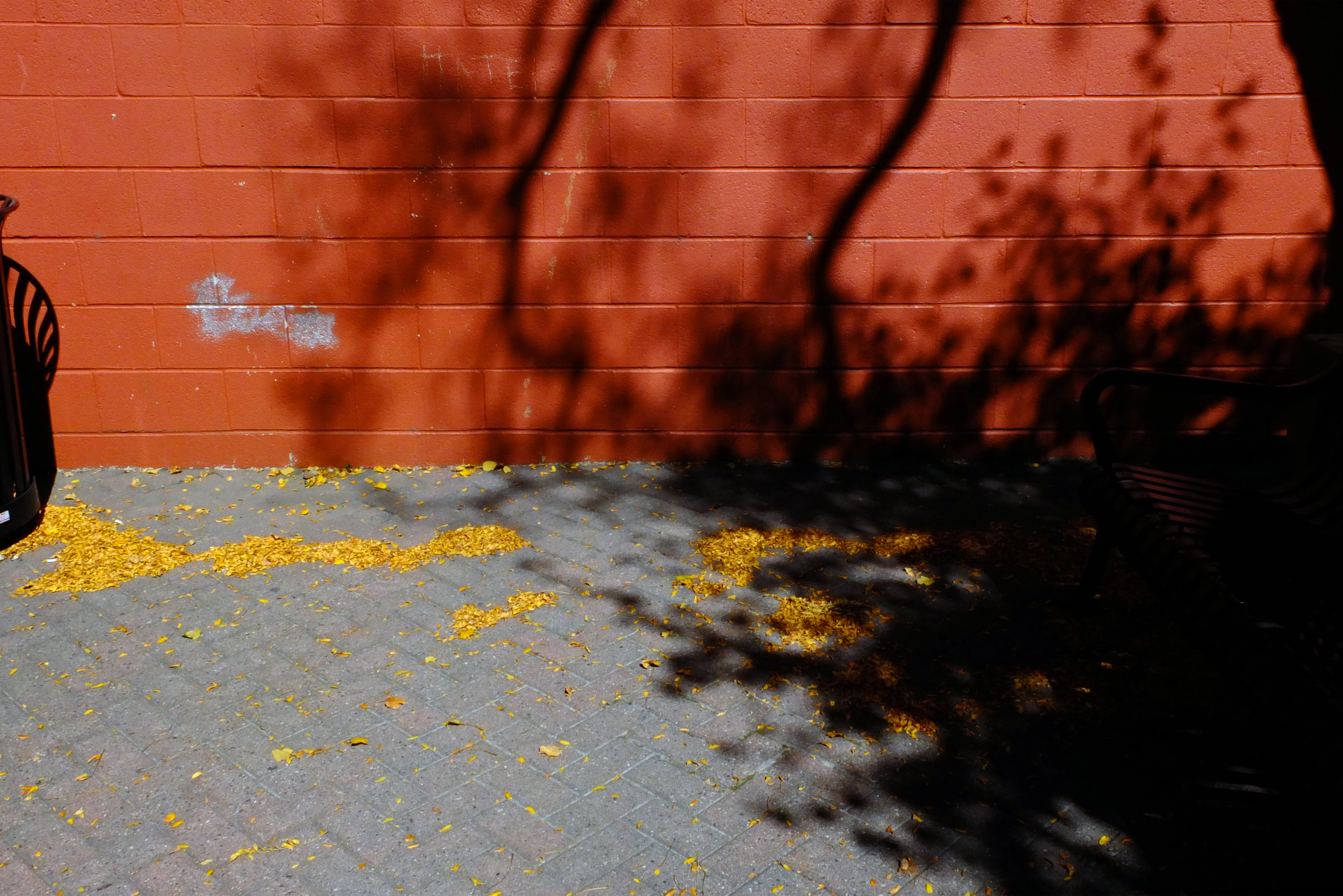
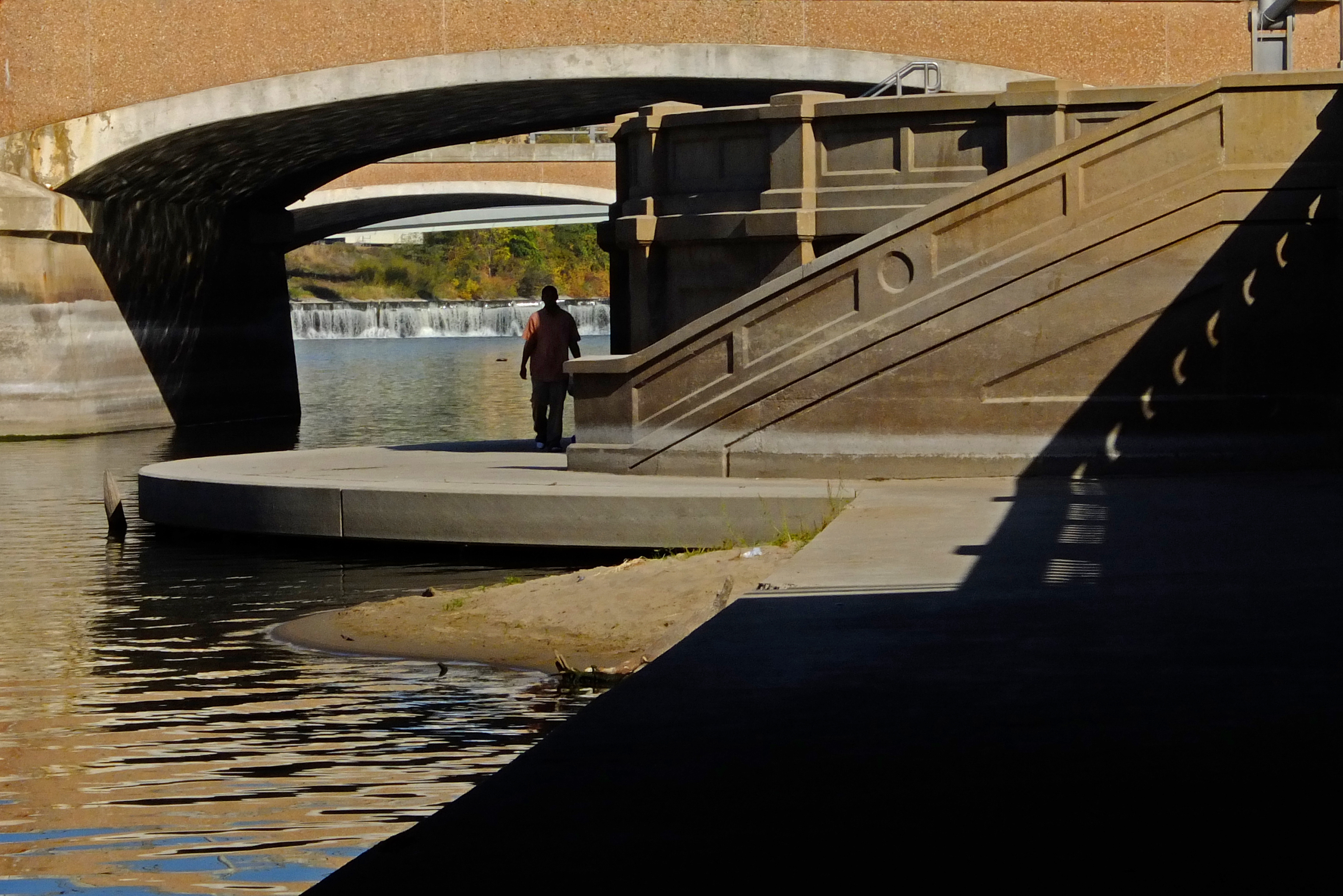
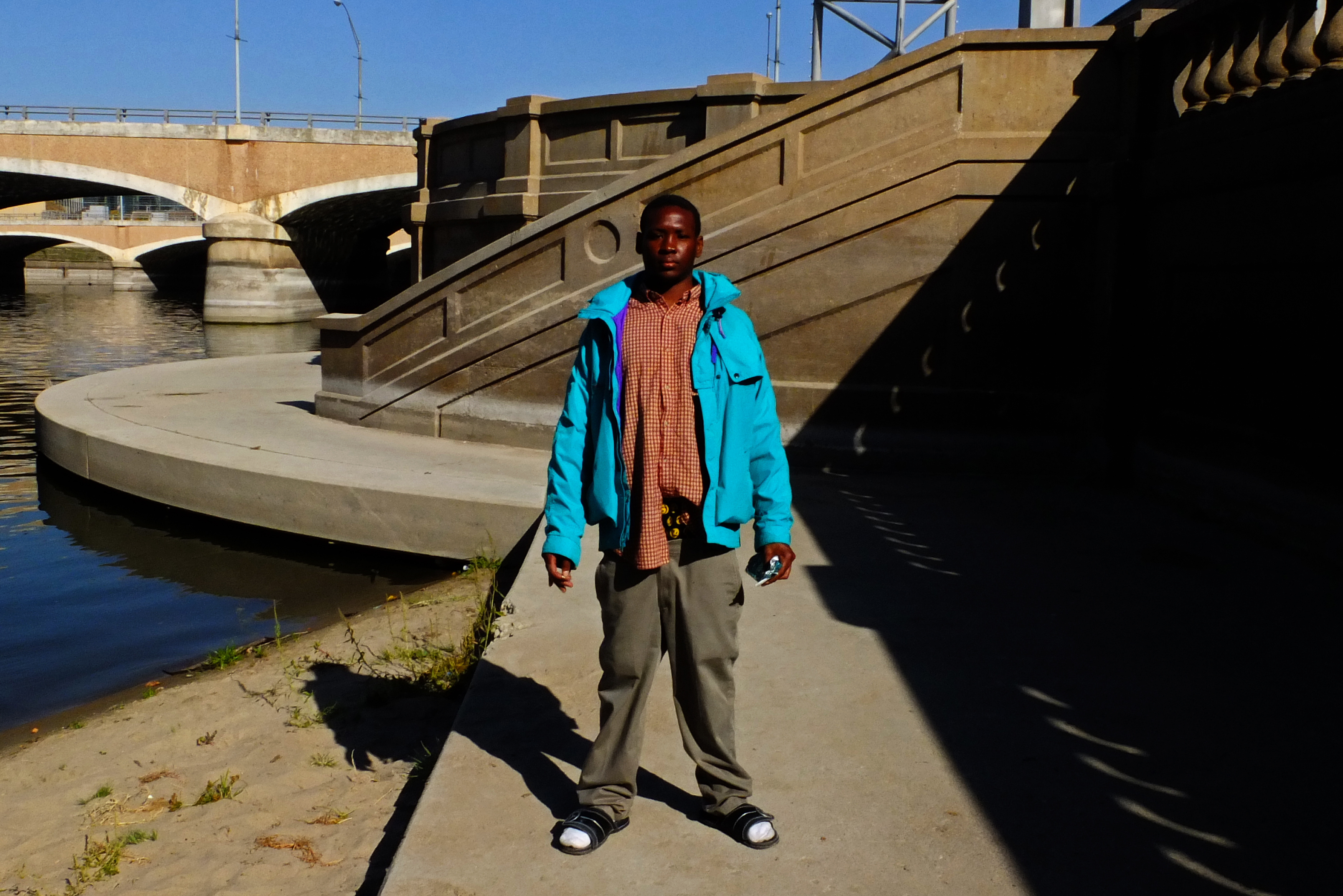
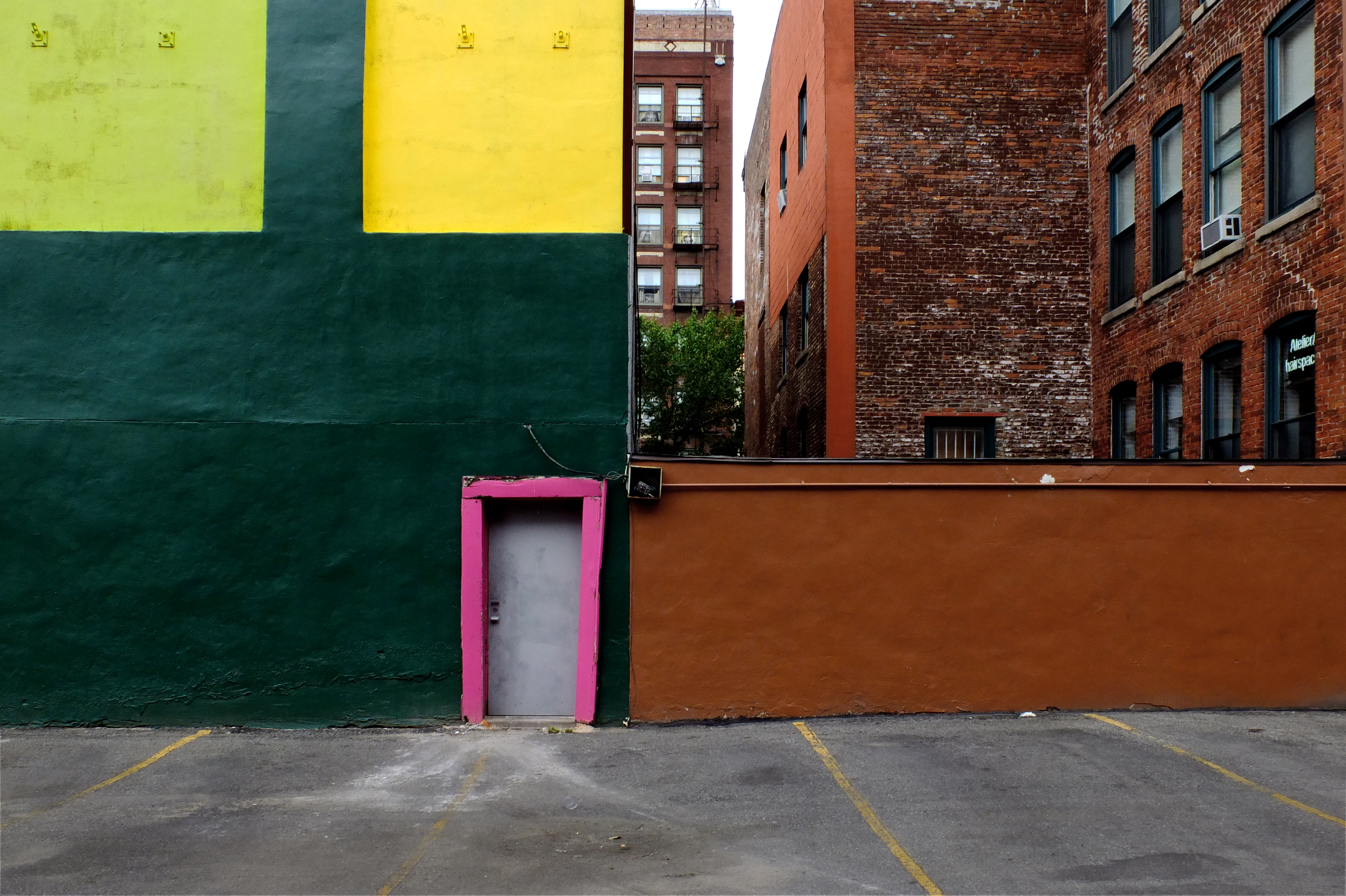
As you can see from some of these photographs, I’m still making mistakes. I sometimes get the exposure wrong, I screw up the composition by misreading the parallax difference, and I bungle the focus point. Rookie mistakes. Boneheaded mistakes.

I can’t tell you how much fun I’m having making those mistakes.

iron photographer is unforgiving

The Spanish arrived on the island of Ayiti in the 1490s (you’ve probably heard of Cristóbal Colón–aka: Christofer Columbus). They brought with them greed and infectious diseases; they left with gold and slaves. But one good thing came out of this tragic encounter.

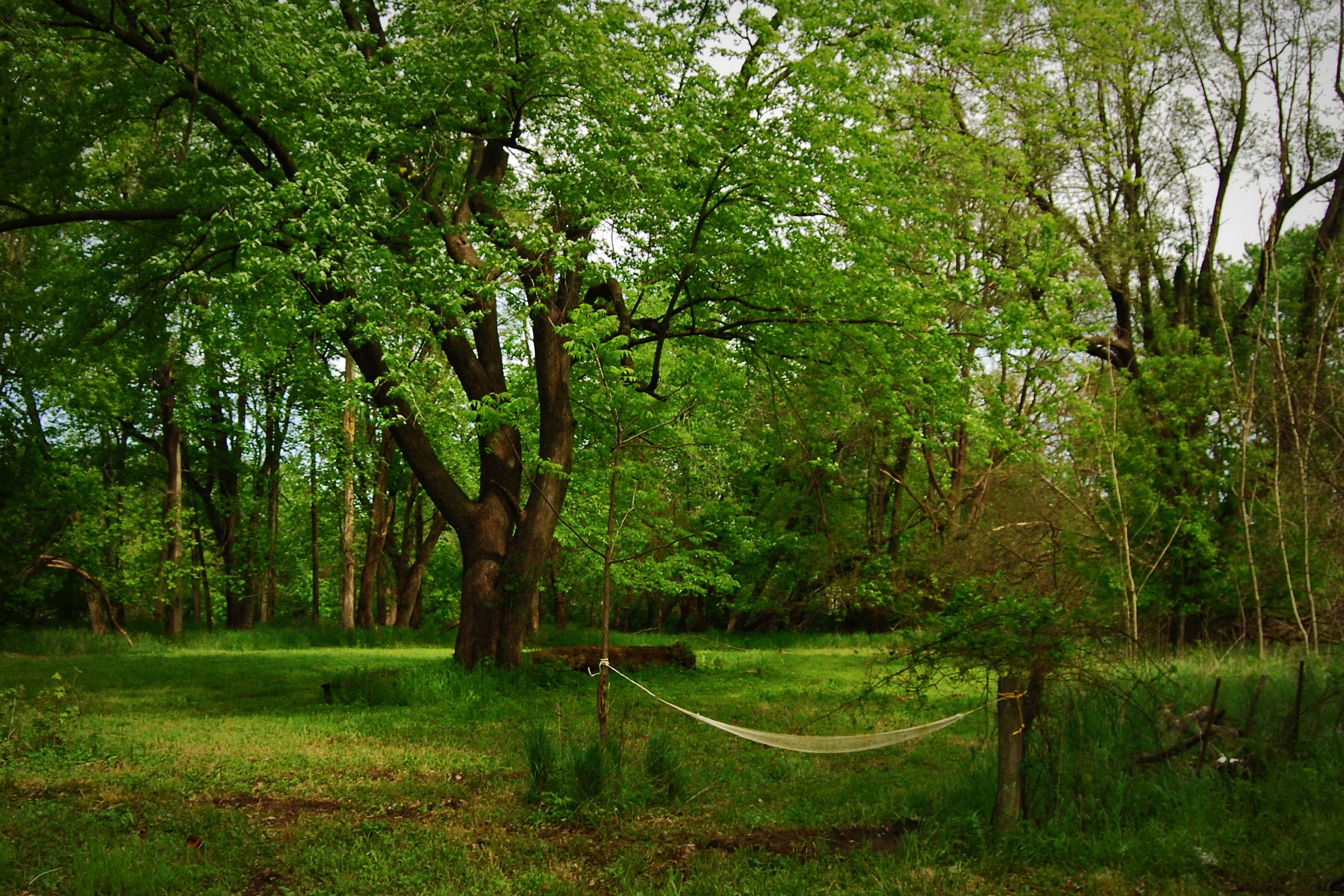
The Spanish noted that the native Taino peoples slept in fishing nets suspended between trees or the posts of their bohio huts. The practice was not only more cool in the hot climate, it also protected them from snakes, biting ants, and an alarming variety of stinging insects that prowled on the ground. When Columbus returned to Spain, he brought along a number of these amaca, which proved to be useful aboard ship as well.

We call them hammocks now. This one is portable; it rolls up into a little globe about the size of a softball, fits handily in a bike bag and still leaves plenty of room for a paperback book or e-reader. When you’re out cycling, you never know when you’ll chance upon two vertical objects exactly the perfect hammock-distance apart. If that happens, you’re almost required to stop and stretch out in a fishing net and read a book.

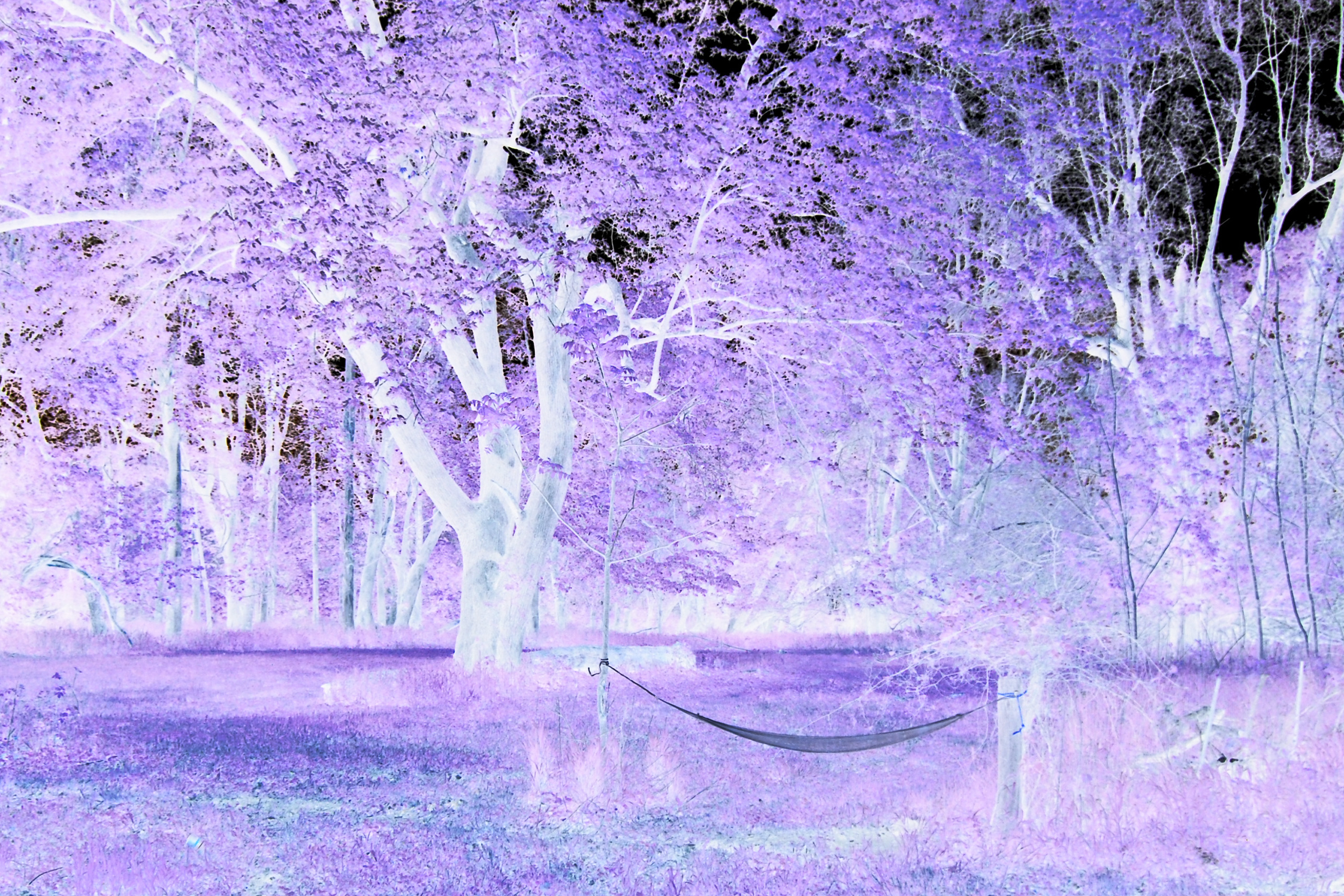
On this occasion, though, the hammock is just a prop. Utata’s current Iron Photographer project requires us to take a landscape photograph that includes two things connected by a third thing. The hammock is that third thing.

Unhappily, the project also requires the colors to be inverted. In some instances, that can create a really interesting and provocative image. In this instance, it mostly just serves to enpurple the natural world.

Iron Photographer is unforgiving.

not quite yet

In the 1930s the Banner Coal Company explored “an unusually good grade” of coal in central Iowa, just a few miles south of Des Moines. The vein was rather shallow, buried beneath only forty feet of soil and shale. The shallow depth and the fragile ‘roof’ made mining the coal problematic. Traditional mining techniques wouldn’t work. So the company resorted to the open pit process.

Open pit mining wasn’t new. The practice had been used in the U.S. for a century–since the 1830s. The Banner Coal Company knew how to wrench the most product from the earth with the least fuss (and the most profit). They brought in the largest electric dragline excavator in the country (spectators traveled for miles to watch the massive machine at work) and for the next two decades they hauled coal out of the pits. It was the largest strip mining project in Iowa history.

By the mid-1950s, the coal was gone–and when the coal was gone, the coal company went with it. They sold the land–some 220 acres–to the Iowa Department of Natural Resources, which intended to turn the area into a wildlife management area. The operative term there is intended.

Half a century passed without much being done. The pits slowly filled with groundwater. Natural flora grew wherever there was enough soil to support it. Growth on the waste-rock and tailings was spotty to say the least, and the only plants that grew were brought there by wind and wildlife. But the wildlife came, drawn by the water. It came, settled, made nests, created dens. It wasn’t just animals–kids were also drawn in by the deep pools of dark water (that attraction almost certainly heightened by parental warnings against the place).

In addition to the 80 acres of former-pit-turned-lake, the landscape is dotted with strange little pocket marshes and hidden sloughs where turtles and frogs squat with cranky blackbirds and condescending herons. In 2002 the Department of Natural Resources finally decided to turn the site into a state park. They built bicycle trails (for both casual cyclists and adrenalin-crazed mountain bikers), they set up picnic tables, added a boat ramp, and brought in other amenities.

Despite the work that’s been done, the area still has an odd, semi-feral, almost post-apocalyptic feel. There’s a sense that Nature is patiently and unceasingly trying to overcome the damage done by thoughtless humans. Trying, but it’s been a struggle.

I feel strangely at ease here. As much as I despise the damage done by the Banner Coal Company, I can’t get too pissed off at them. In the 1930s they had little knowledge about the long term effects of this type of mining operation. In their ignorance, they created a landscape that feels wounded–even mutilated. And yet it’s a very compelling landscape, partly because of the harm that was done and partly because of the organic regrowth that hasn’t quite been able to repair the damage. Yet.

I like that yet. It’s a good yet. A comforting yet. Some day this area will lose its post-apo air. It’ll just be an unusual lake. Some day. But not quite yet.

find of the day

If you judged only by the number of morels plucked from the soil, then my first morel hunt of the season was an absolute bust. I saw one small grey morel, no larger than the first knuckle of my thumb. I found three times that many ticks on my clothes–so if this was a tick hunt, then it would have been slightly more successful.

However, if you just count it as a walk in the woods, it was an unqualified triumph. I went with my brother Roger Lee, who may be a tad too impatient to be a good mushroom hunter but has a nicely cavalier attitude about being in the woods. Some people hover around you when you’re in the woods–afraid to get too far away from you, afraid you’ll get lost or they’ll get lost. Roger Lee just wanders off with the casual assumption that somehow you’ll manage to meet up again somewhere. I like that.

It was Roger Lee who made the Find of the Day. A tipi frame, almost camouflaged by being as bare as the trees around it. Centered below the frame was a small circle of rocks to serve as a fire-pit. Clearly somebody had camped there in the not-too-distant past; the need for a fire suggests last autumn or possibly even during the winter. The tipi was in a good spot–protected from the wind, a few yards away a small brook, isolated from view, far enough from the road to be inconvenient to find but close enough that fifteen minutes of steady walking would get you there.

But the tipi frame wasn’t the Find of the Day; that was just an interesting object. The woods are full of interesting objects–things that are thought-provoking but not particularly surprising. That’s one of the many reasons to walk in the woods.

No, the Find of the Day was lurking a short distance away–maybe fifteen yards–hidden inside the hollow trunk of a dying tree.

The tree itself was an interesting object. It was bent and broken–maybe the result of an old lightning strike, maybe from some sort of rot, maybe ice damage, maybe an infestation of beetles–who can say? But it was bent and broken open, and the interior of the trunk was hollow.

The natural thing to do with a bent, broken, hollow tree trunk, of course, is to look inside. Which is exactly what Roger Lee did. You’d have done the same thing your ownself, you know it. What he saw inside, that was the Find of the Day.

I’ve written elsewhere about my fascination with a chunk of curbing wrapped in a length of red PVC wire. That object must have struck a chord with people, because since then I’ve received a number of emails from people describing similar found-objects, sometimes with cameraphone photos showing bits of concrete bundled in ribbon or stones tied up in wire like some sort of primitive holiday package. I find them all strangely fascinating.

This is what was tucked away in the hollow of that bent tree:

I’ve no idea what this bluish stone is, although it appears to have been shaped at some point in the past. I’ve no idea why a length of twine is so tidily coiled around it, although the condition of the twine suggests it was done fairly recently. And I’ve no idea why it was stashed n the hollow of a dead tree trunk, although it clearly was stashed; it didn’t just wind up there by accident.

Somebody did this purposefully. Somebody deliberately placed the stone in the hollow of the tree, and just as deliberately encircled it with a length of twine. Most likely it was placed there by whoever was camping in the nearby tipi–but that’s just an assumption.

All I know is that this is strange and lovely and it moves me in some peculiar way. The Irish have a saying: Níl sa saol seo ach ceo is ní bheimíd beo ach seal beag gearr. It’s a misty old world and we’re only in it for a short, sharp while. It’s stuff like this that keeps it sharp.

go tell it on the mountain

I like to walk. If I have a destination—a specific place I actually intend to go—that’s okay. But I prefer to walk destination-free. Today I put aside the eighty thousand things I have to deal with and think about, and I walked.

It would be more accurate to say I went meandering—accurate on more than one level. The term meander comes from winding Turkish River called the Büyük Menderes, known for its twisting course. Homer mentions it in the Iliad. And today I walked aimlessly and slowly along a river. It’s the end of January and 64 degrees Fahrenheit, which is just bizarre. The ice was melting rapidly in the river.

I encountered a few people. Spoke to some of them. Didn’t speak to others. I’m not sure how I decided which ones to speak to and which ones to ignore. Some ignored me back, or ignored me preemptively. Others spoke and were happy and cheerful to be out in such weather. And one sang to himself, softly.

As I shot this photograph, a man of about my age came strolling by, singing to himself in a very small voice. It was an old Civil War era hymn—what used to be called a ‘Negro’ spiritual, a song of hope and the promise of redemption written and sung by a people you’d think would have little of either. “Go tell it on the mountain,” he sang. “Over the hills and everywhere.”

And it all cheered me up. An unseasonably lovely day. Walking along a river, walking in a way that takes its name from a river half a world away, a river celebrated in song and poetry for ten thousand years. Hearing a man singing another song, this one only a century old, but like the Iliad also about hope. Watching rust do its slow work, which for some reason I find oddly comforting. All of those things, they cheered me up.

There’s probably a lesson in there somewhere. A lesson or a moral. I have little truck with lessons or morals or spirituals, though I’m mightily taken with meandering. But whatever there lesson or moral there is, I’ll tell it on the mountain, and over the hills and everywhere.

hey bingo, it’s all good

I don’t know how it works for you (assuming ‘you’ are somebody who attempts Iron Photographer projects), but for me the IP process follows a few common patterns. Sometimes I know exactly what I want to do—and even if the final photograph has almost nothing to do with my original idea, the process is smooth and harmonious and I get that whole ‘A garden is a lovesome thing, God wot‘ feeling.

Sometimes I have absolutely no idea at all what to do (even though I help come up with the elements, along with the Blessed Jamelah—may her hair grow long), and I spend the two weeks of the project squatting toadlike and glaring at anything that might possibly relate to the three IP elements.

And sometimes I just say ‘fuck it’ and start jamming stuff together. Which is what I did here. The elements of Iron Photographer 143 are 1) something with a handle, 2) the colour orange (we add the irrelevant letter ‘u’ as a sop to our Canadian and British members), and 3) vignetting. I was shaving and I noticed the blue razor in the mirror and thought “Oh, something with a handle. Hey, bingo—Iron Photographer!” So I brought the razor with me from the bathroom. As I dressed I remembered I owned a seldom-worn orange t-shirt. Hey, bingo—two elements down.

But that would be a pretty dull photo, so I grab an old mirror off the dresser. Orange t-shirt as background, razor on the mirror and hey that’s still pretty damned dull. Wait, there’s an old Coca Cola bottle I’d set aside for the last IP project but didn’t use. Put it on the mirror and lawdy, it’s still dull.

Add some drama. Have the light reflect in the mirror, meter off the reflection. Nope, still dull. Get a sheet of black plastic, wrinkle it up for texture, put the t-shirt back down, fold it over a bit, add the mirror and the razor and the coke bottle, make sure the light is reflecting in the mirror and hey bingo—still needs something. Fuck fuck fuck.

Okay, maybe the bit of red plastic mesh I used in a much older IP project. Find that, knot it up. The red clashes horribly with the orange. I like that. Finally shoot a photo and—well, it’s better, but dull. Still dull. Still missing something.

Shift everything around. Shoot another dull photo. Shift it all around again. Shoot a couple more frames. The phone rings; I ignore it. Shift all the stuff around maybe three or four more times and shoot a couple more frames. Shifting it all around doesn’t help because it’s missing something. Shifting doesn’t add anything.

Study the mess I’ve made on the table for a bit, thinking about any of the bits that might please me. Decide what I like best is the curve of the mirror, and the curve of a fold in the t-shirt, and a curve in the knotted mesh and clearly what it needs is another curve. Grab a hanger from the closet. Slide it into the frame. No…slide it a bit farther into the frame. A bit farther. Too far. And there. Shoot two more frames. Process the one I like most, add a whole lot of vignetting (the third IP element) and…

Hey bingo, IP 143. Done.

Return the phone call I ignored earlier. First thing said: “What’ve you been up to?” And I realize I’ve just spent 90 minutes arranging and rearranging a jumble of random objects that are entirely unrelated to each other in any way. A razor, an old Coke bottle, a bit of mesh left over from some cherry tomatoes (that I didn’t eat, but bought purely because I wanted the mesh), a mirror, a t-shirt, a sheet of black plastic, and a coat hanger? So I confess to that over the telephone. After a long pause, “So, I’m thinking about going to Spain next summer.”

The phone calls ends after a brief chat. I look at the photo. It makes no sense. Nothing even remotely like sense. I consider deleting the photo. Then I figure, “What the hell. It’s Iron Photographer. The people who get it, will get it. The people who don’t will still discuss their travel plans with me. It’s all good.”

still talking

It was 34 degrees Fahrenheit when I gave into the fool notion to take a walk yesterday. I decided to visit the chunk of curbing. It’s been over a year since I first came across it—a small, displaced bit of asphalt curbing around which somebody had tied a length of red PVC wire fashioned into a sort of carrying handle. The bit of curbing had been toted a short distance from its original location—though I’ve no idea why anybody would do such a thing. It made absolutely no sense at all. That, of course, was its appeal.

After discovering it, I returned periodically to the site (an old, deteriorating parking lot that once surrounded a supermarket, but now surrounds the grassy field where the supermarket used to be) to look at and ponder the meaning of the chunk of curbing and the wire. It attracted attention from other folks as well. I never saw them, but the chunk of curbing was moved on at least one occasion.

Since I tend to over-think almost everything (apart from my behavior) I developed the conceit that I was engaged in a sort of ongoing conversation with the chunk of curbing. I looked forward to seeing it, which I realize sounds completely unhinged. But there it is. I’d developed a peculiar fondness for a bit of molded asphalt.

On my last visit—back in October—I noticed somebody had tried to move it again, and the red PVC wire had completely snapped. The chunk of curbing and the red PVC wire were no longer connected. I fully expected the next I visited the lot, the wind would have swept the PVC wire away. The conversation seemed to be over.

But I was wrong.

As you can see, the red PVC wire is still there. Totally divorced from the chunk of curbing, but it’s still there. I’ve no idea why; we’ve had serious wind storms—storms powerful enough to knock down trees. And yet there it is, splayed out slightly differently than before but in what appears to be the exact same spot. The original chunk of curbing, along with a companion chunk that appeared some months ago, seem to have moved again—which is entirely inexplicable and illogical. But against all expectations, the wire and the curbing are still there.

I find that reassuring. I guess the conversation isn’t over yet. I’ll visit again in a few weeks and see what I can see.