
One year ago today I made the following comment on Facebook:
So…what do you think? When will Comrade Trump be indicted? I’m inclined to think middle of next week. Say a week from tomorrow.
That claim was met with some understandable skepticism. A lot of people believed he’d escape any indictment, that he’d never be held accountable for any of the horrendous shit he’s done. But I was confident he’d at least be indicted. Not absolutely confident; just sort of pretty almost sure. I argued:
I think he’ll be indicted in Manhattan and also probably by the Georgia grand jury. I think there’s a fair chance he’ll also be indicted at the federal level.
And hey, I was right. Well, off by a week, but on March 30, Trump was indicted in New York on 34 counts of falsifying business records in the first degree. His trial is scheduled to begin in 11 days. Three months later, Trump was indicted in the Southern District of Florida on 37 federal criminal charges related to his handling of classified government documents (three more criminal charges were added a month later). Two months after that, Trump was indicted in the US District Court for the District of Columbia on four federal criminal charges related to election interference. And two weeks later, the Fulton County, Georgia Superior Court finally indicted Trump on 13 criminal counts related to interference in the 2020 election in Georgia (six of those charges have been dismissed for being vague BUT the judge has stated they can be refiled if they’re worded differently; the underlying RICO case is still solid).
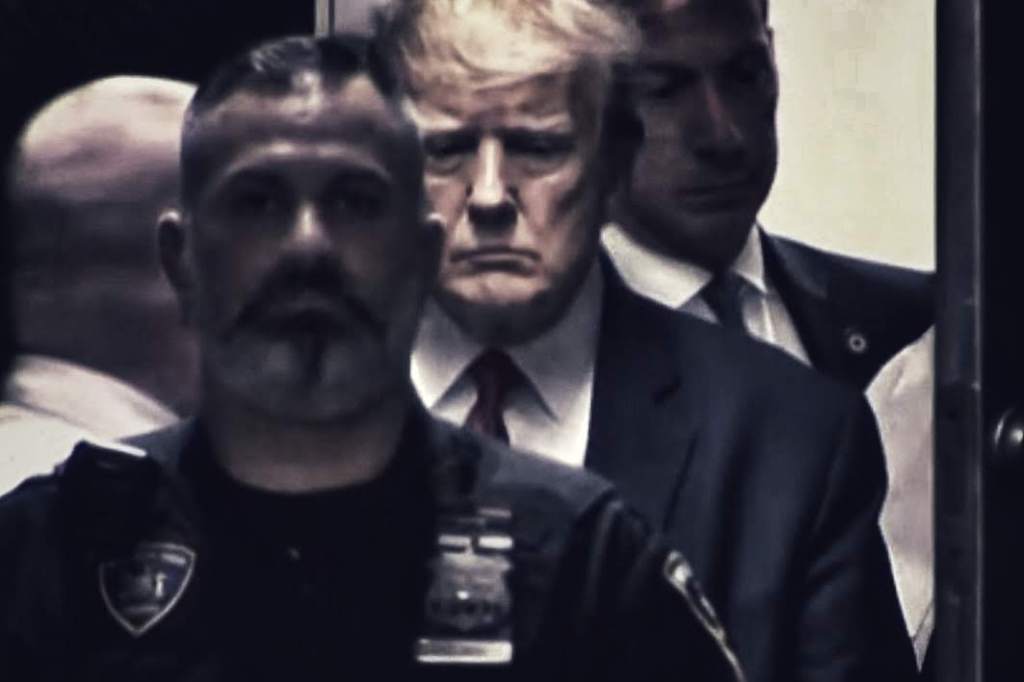
That was a year ago. Today I’m going to predict Trump will almost certainly be convicted in Manhattan and Georgia. I’ll also predict that unless SCOTUS interferes, Trump will go down in both federal jurisdictions—DC and Florida. In each case, the publicly available evidence against Trump is overwhelming. In each case, the arguments presented (so far) by the defense are awfully weak.
Let me just remind folks that I’m basically a criminal defense guy; my first instincts are almost always to support the defense. I firmly believe in forcing the State to prove its case beyond a reasonable doubt, even in cases in which the accused is blatantly guilty. And although I fucking hate Trump, I reluctantly appreciate the ridiculous arguments his lawyers have used to delay his various criminal trials. It pisses me off and frustrates me, but that’s their job. That said, it’s bullshit that courts cooperate with Trump’s lawyers to delay his trials.
Anyway, that’s where I stand. I firmly believe Trump will be convicted in both State courts and probably in both Federal courts. I could be wrong, of course. Weird shit happens in criminal trials.
For me, the big question now is this: will he serve any time behind bars? I’d love to say “Yes, he absolutely will.” But I’m pretty skeptical about it. He deserves to be in prison, but people rarely get what they deserve. And to be honest, that’s worked out pretty well for me.
Putting Trump in prison would be socially cataclysmic. But I believe, in the long run, it would be healthy for US politics.







 gregfallis.com