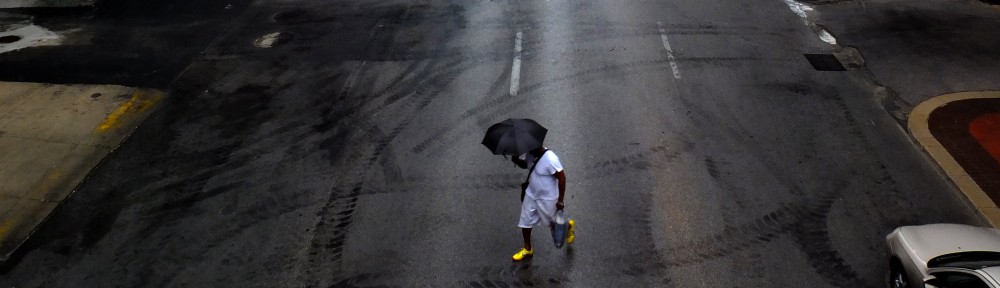
in which i pass through farmland and become confused

Yesterday was probably the last day of ‘good’ weather I’ll see until Spring. I’m using the term ‘good’ deliberately and after some consideration, because in the Midwest near the end of October a day in the mid-70s is a treat — even if it’s windy and cloudy and looks like it might could decide to storm at any moment.

And what’s a guy to do on the last day of ‘good’ weather? Get on the bike, of course, and take off — preferably someplace new. Which is exactly what I did. I rode north on a bike trail out of Ankeny, Iowa into farmland. Open fields, corn, soybeans, barns, cows, and a whole lot of wind.

Long before this was a bike trail, it was part of the the Chicago & Northwestern Railroad line. Before that, the tracks belonged to the Des Moines & Minneapolis Railroad Company. And before that I believe dinosaurs roamed the earth. Now it’s part of the 20,000 miles of rail-to-trail conversions in the United States.

One reason these converted rail lines are popular with cyclists is because they tend to be relatively flat, smoothly paved, with gradual shifts in elevation. That makes for easy riding, of course. And this trail was no exception. Riding north was an absolute breeze. Literally. There was a 17 mph wind at our backs. Riding south was a lesson in wind resistance. Iowa has a lot of wind.

It also has a lot of sky, and fields that used to hold crops, and farm structures, and black dirt, and giant Tootsie Rolls made entirely of hay. I assume that’s hay. Or straw. Do people grow straw? What the hell IS straw? I’ve always assumed that whatever it is the farmers roll up into those massive pellets was something to feed cows. Or horses, maybe. Or, I don’t know, goats. Farm animals. Livestock. Although now I think of it, in the movies barns are always full of hay. Or straw. And some kid is constantly using a pitchfork to move it around from one part of the barn to another, though it’s never quite clear why. Maybe hay it’s like cat litter for horses. I don’t know.

Whatever those massive pellet rolls are for, I rather doubt they’re scattered around the fields for aesthetic purposes. But it would be very cool if they were.
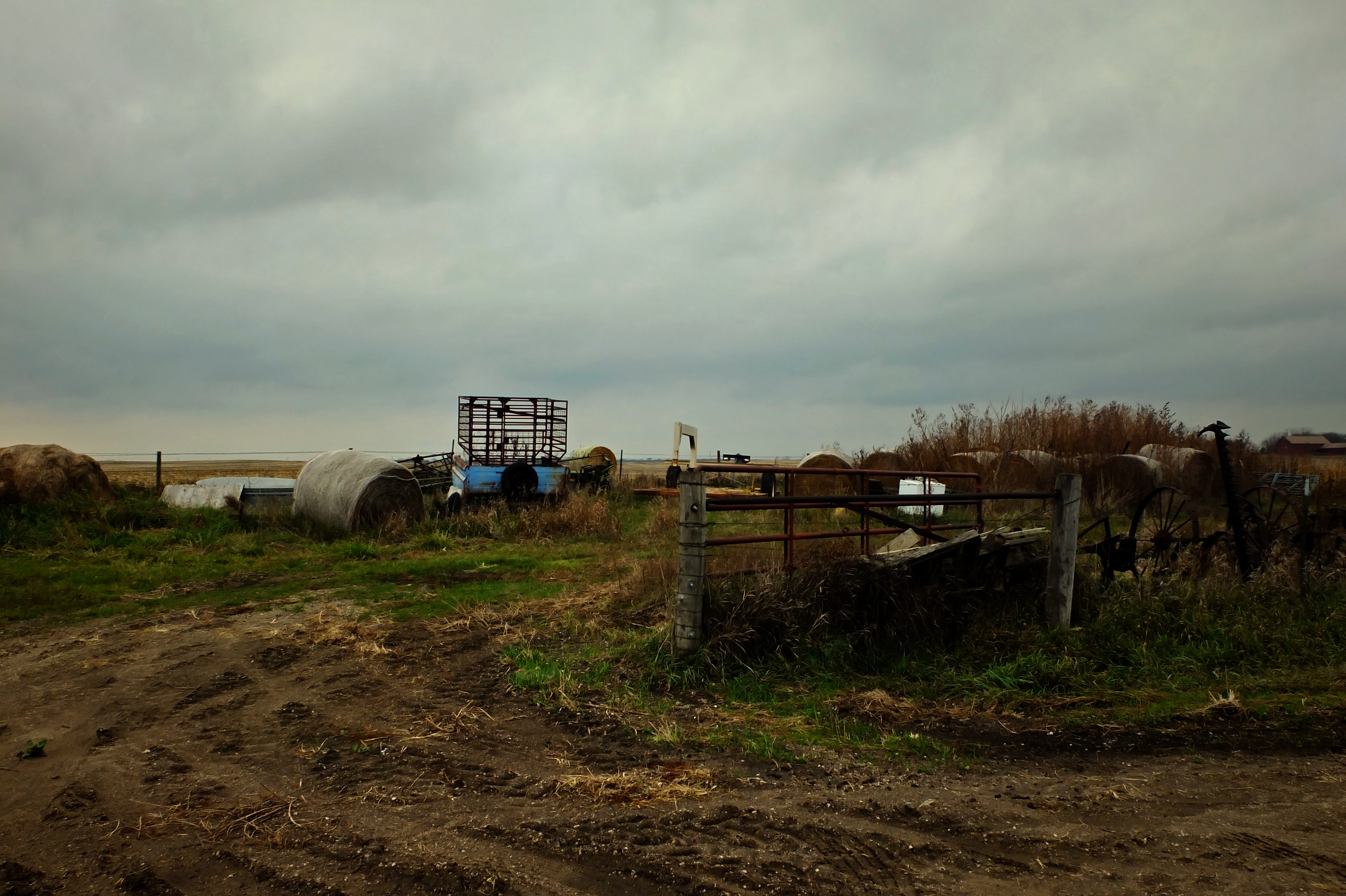
Equally intriguing (to me, at any rate) is the old farm equipment that gets shunted into small paddocks or stashed away behind sheds and barns. I find myself wondering if the farmers think this equipment might somehow come in handy in the future. As spare parts, maybe, or material that can be scavenged and cobbled together with other odd bits of this and that to create…well, something like that blue pick-up bed/trailer-looking unit that’s been attached to what appears to be the framework for some sort of enhanced interrogation device. Clearly that thing, whatever it is, was constructed with a purpose. Unless the wind just picked it up and deposited there, like Auntie Em’s house.

Maybe this is the farmer’s equivalent of the urban dweller’s problem: what to do with that twenty-two pound, twelve-year-old computer monitor that nobody wants, and has been taking up space in the storage room since two computers ago?

It’s the same with old farm vehicles. What do you do with an old 1955 Ford pick-up? You park it out back near the even older 1950 International Harvester pick-up. I was really drawn to that old Ford. It must have been at least partially restored at some point in the last couple of decades, then put back out to pasture. It’s actually a very cool looking machine, and whoever chose that color to restore the truck had some taste.

Back when those two trucks were new, the D&M Railroad was already a hundred years old. A hundred and fifty years ago incredibly powerful locomotives pulled boxcars loaded with coal and grain across those same fields I was bicycling through. I find that oddly comforting. I like to think that in another hundred and fifty years that same band of now-public land will still be used by ordinary folks in some way.

Unless Mitt Romney gets elected. Then we’re just fucked. Go vote.
my favorite interruption

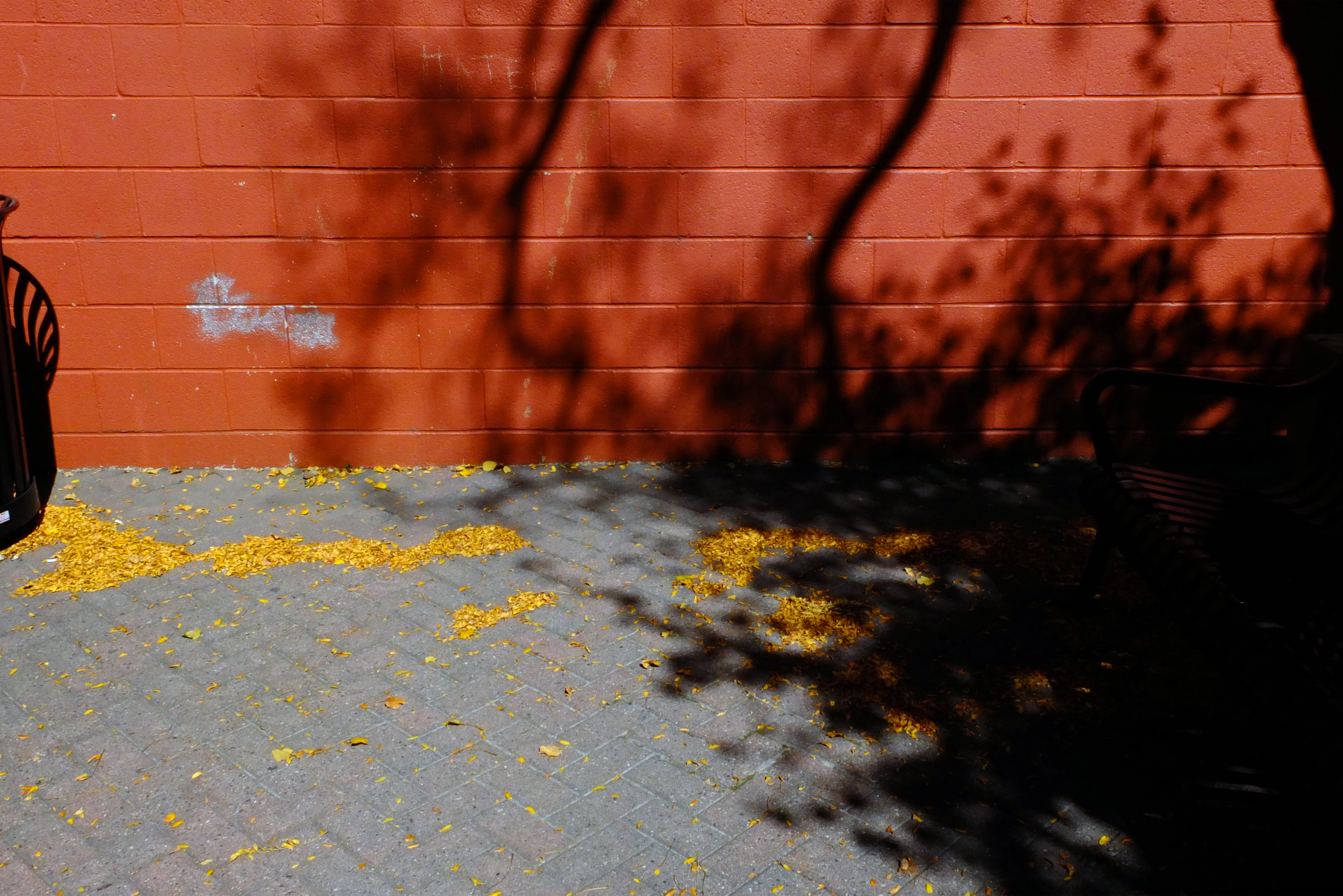
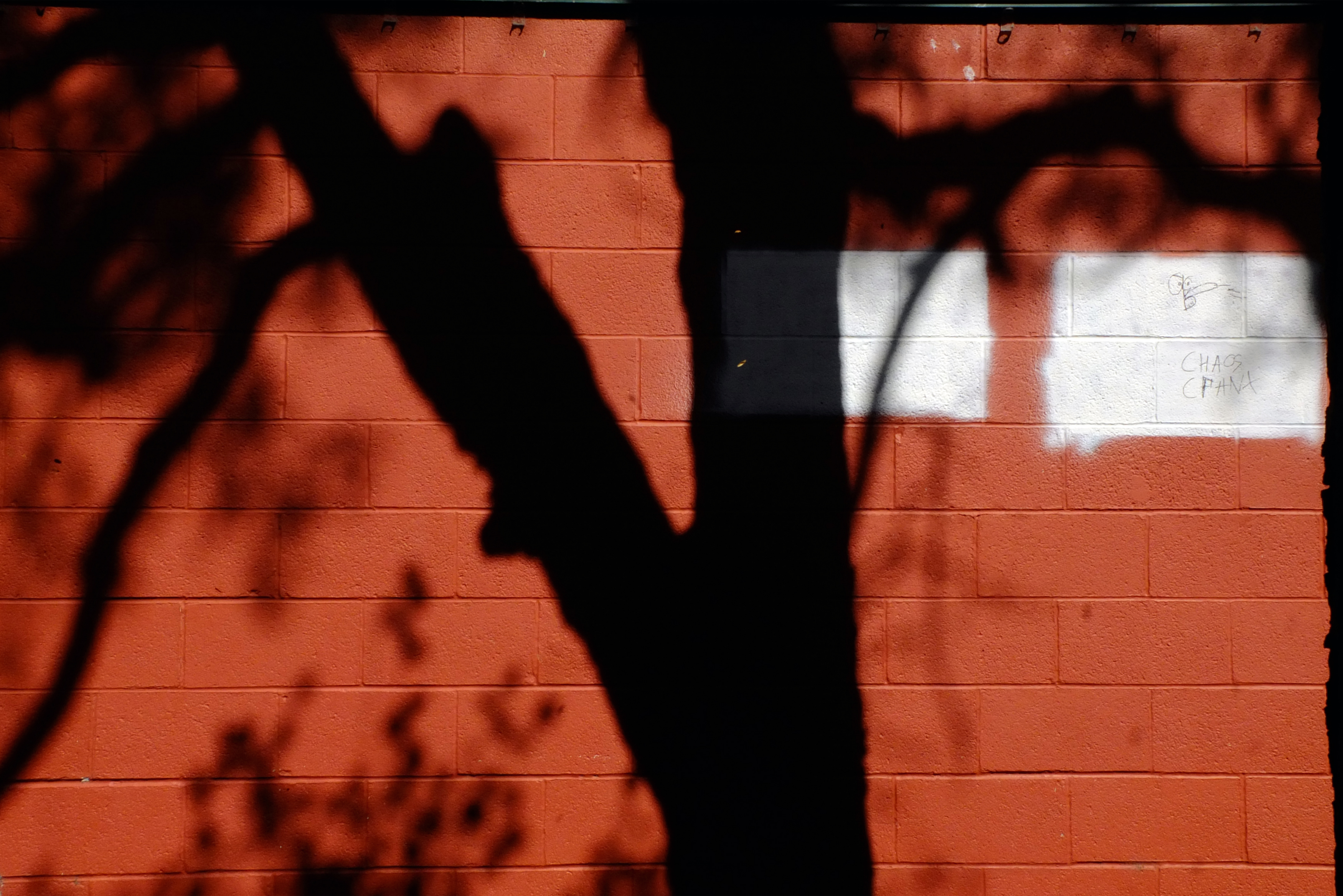
It’s an interruption of light. That’s all it is. But it fascinates me — visually, conceptually, artistically, emotionally. Most photographers look for good light; I look for good shadow.

A tree in this small alley-turned-courtyard obstructed the sunlight falling directly on the burnt sienna wall, resulting in a dark, self-similar shape of that tree. We’re able to see that tree because light within a certain spectrum falls on it; we see its shadow because light is prevented from falling on the wall. A shadow is the only thing we see because of the absence of light.

The term ‘shadow’ comes from Old English, the language spoken by Anglo-Saxons between the mid-5th century and the mid-12th century. It shares the same linguistic root as ‘shade’: sceadu, which referred to a place protected from glare and heat. ‘Shadow’ itself, however, comes from a somewhat later and more narrowly defined derivation of the term: sceadwian, which referred to the act of creating a small bit of shade (most beautifully defined by one etymologist as ‘to protect as with a covering wing’).

Though shade and shadow are essentially the same phenomenon, we experience them as very different beasts. We tend to treat shade as a form of shelter; we generally see shadow as only the reverse projection of an object. And that’s a shame, because when you raise an awning to shelter you from the sun, you’re using a shadow to create shade. You are, in effect, mimicking a bird tucking its head under its wing. If you can’t see the delicate loveliness in that, there’s no hope for you at all, at all.

I entered this alleyway/courtyard seeking shade. In it, I found a shadow. And I was content.

unasked questions

I love a mystery. I love a mystery so much, I’ll often go out of my way NOT to solve them. Once a mystery is solved, then it’s obviously no longer a mystery.

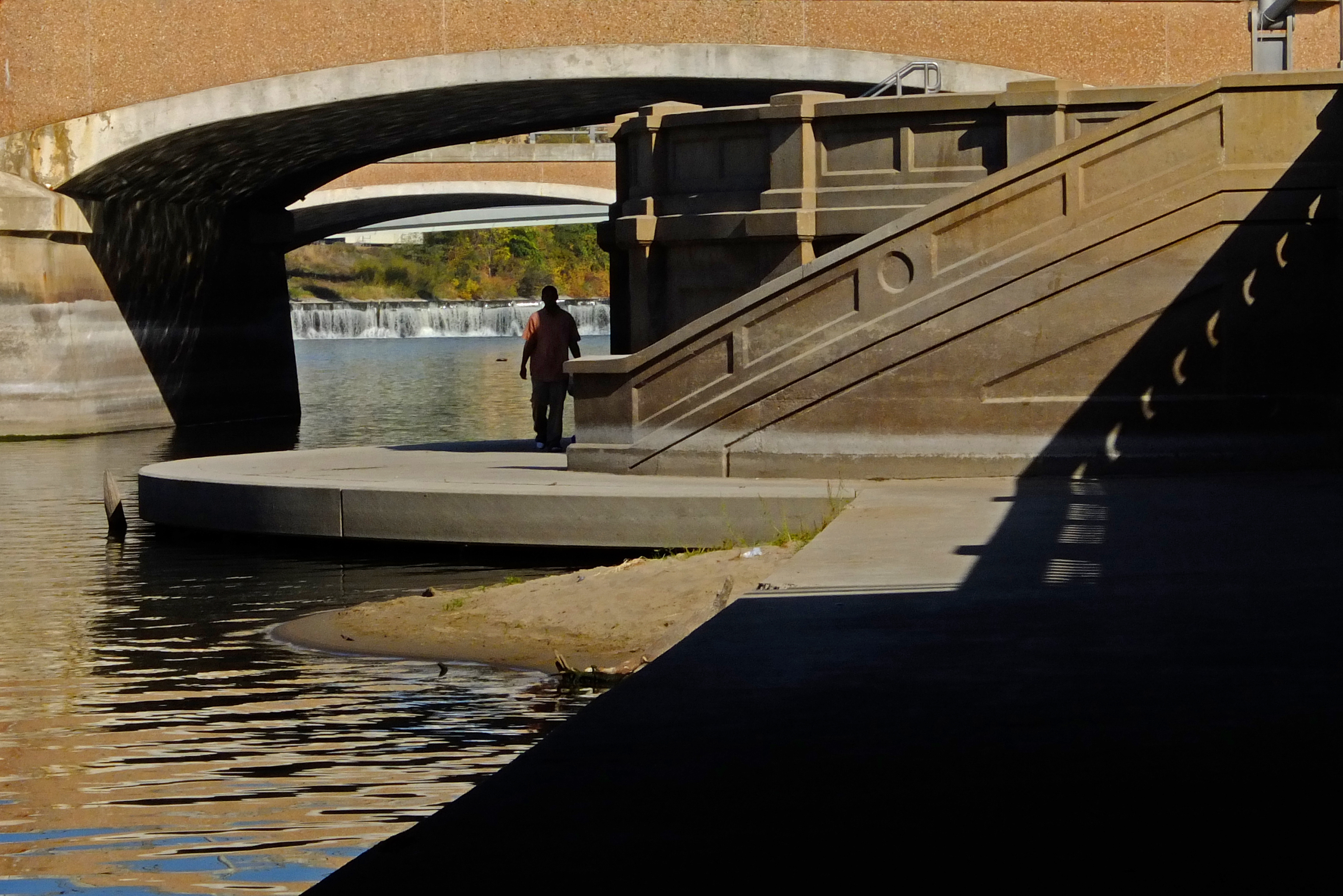
Yesterday my companion and I stood for a moment on a bridge and watched a young man repeatedly throwing stuff into the river. I assumed it was something like bits of dried bread, maybe to feed the fish. She thought it might be corn or some sort of grain. It wasn’t at all clear. Not a huge mystery, but enough to make me want a closer look.

We followed the stairs down to the river and I asked the young man what he was throwing into the river. He said, “Candy.” He showed me his knapsack, which contained a plastic shopping bag full of small individual-sized packets of M&Ms. He also had a box filled with packets of some other candy.

“Is this for the fish?” I asked. He spoke in a half-whisper, saying something that included the word fish, but I couldn’t quite understand him. He seemed mildly reluctant to look at me, but was certainly polite and patient and quite willing to answer questions. Rather than pester him, though, I simply said “Enjoy yourself,” and we continued down the walkway along the river.

Looking back at one point, I noticed him standing and watching us. I held up the camera in what I hoped was a universal ‘Can I take your photograph?’ gesture and waved to him. He waved back, which I chose to interpret as ‘Sure, go ahead.’

The whole thing seemed a wee bit odd, but I figured the guy was possibly developmentally disabled or maybe stoned. Either way, it was no big deal and we continued to walk along the river.

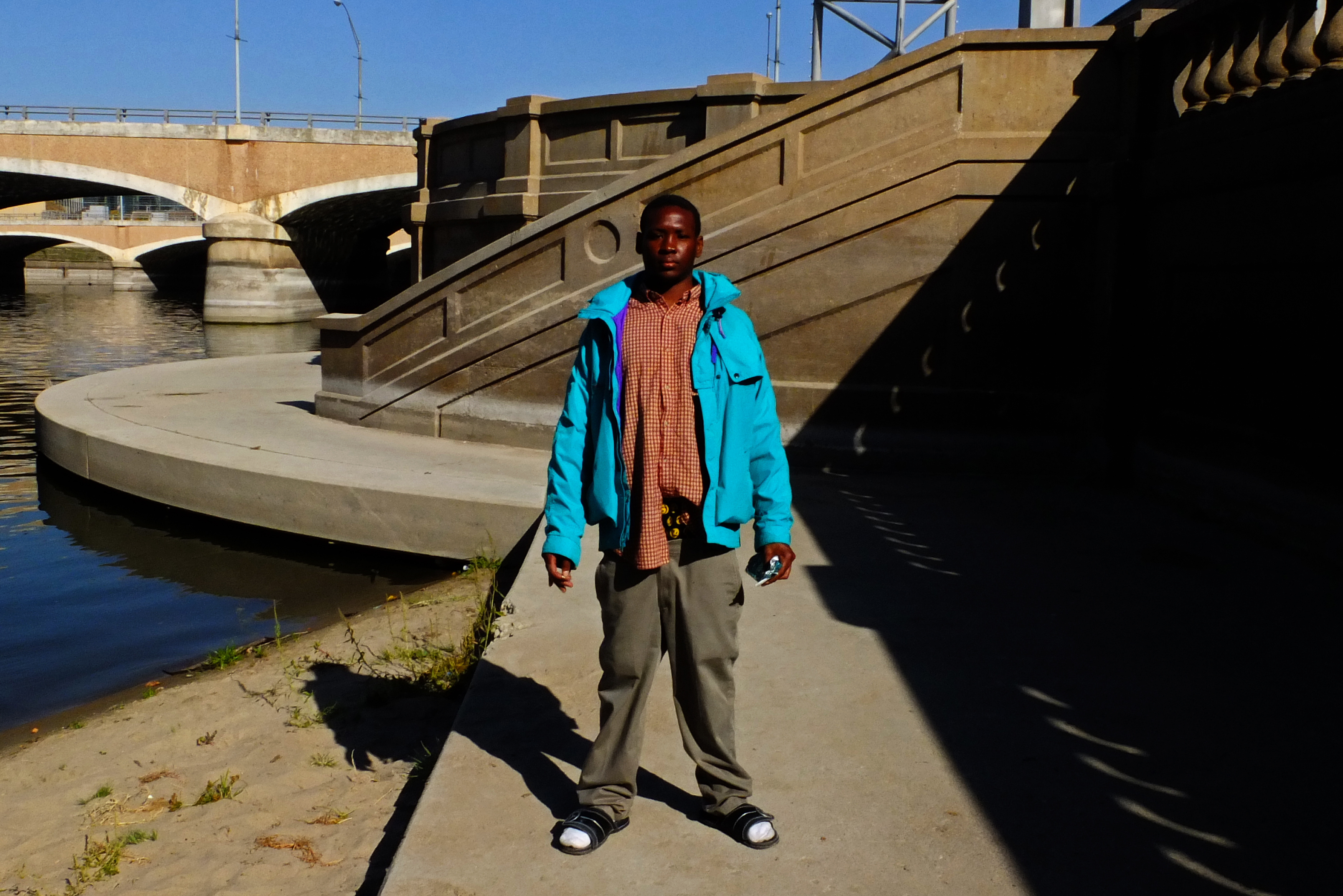
On the walk back, the young man was still there. As we approached he pulled on a bright blue jacket and I decided I was going to ask if I could shoot his photo. Before we got to him, he stepped onto the small sand bar that had formed along the walkway and began burying some things. Digging small holes with his hands, dropping in whatever he was burying, filling the holes, then patting them down tidily.

He’d just finished burying the final thing when we arrived. “Would you mind if I took your photograph?” I asked. I was going to give him my name and hand him my card and explain why I wanted to take his photo — but he just stood up, returned to the walkway, turned and stood there. Like Gort awaiting orders from Klaatu.

Sakim

I just took the one shot. “Can I ask your name?” I said. He spoke very softly. “Sakim.” I showed him the photograph and he smiled. “That’s good,” he said.

I wanted to ask him about the candy again. I wanted to ask him why he was throwing candy to the fish. I wanted to ask him what he was burying in the sand and why he was burying it. But if you ask questions, you get answers and I’m not convinced the answers would have been nearly as intriguing as the questions.

the people are wrong

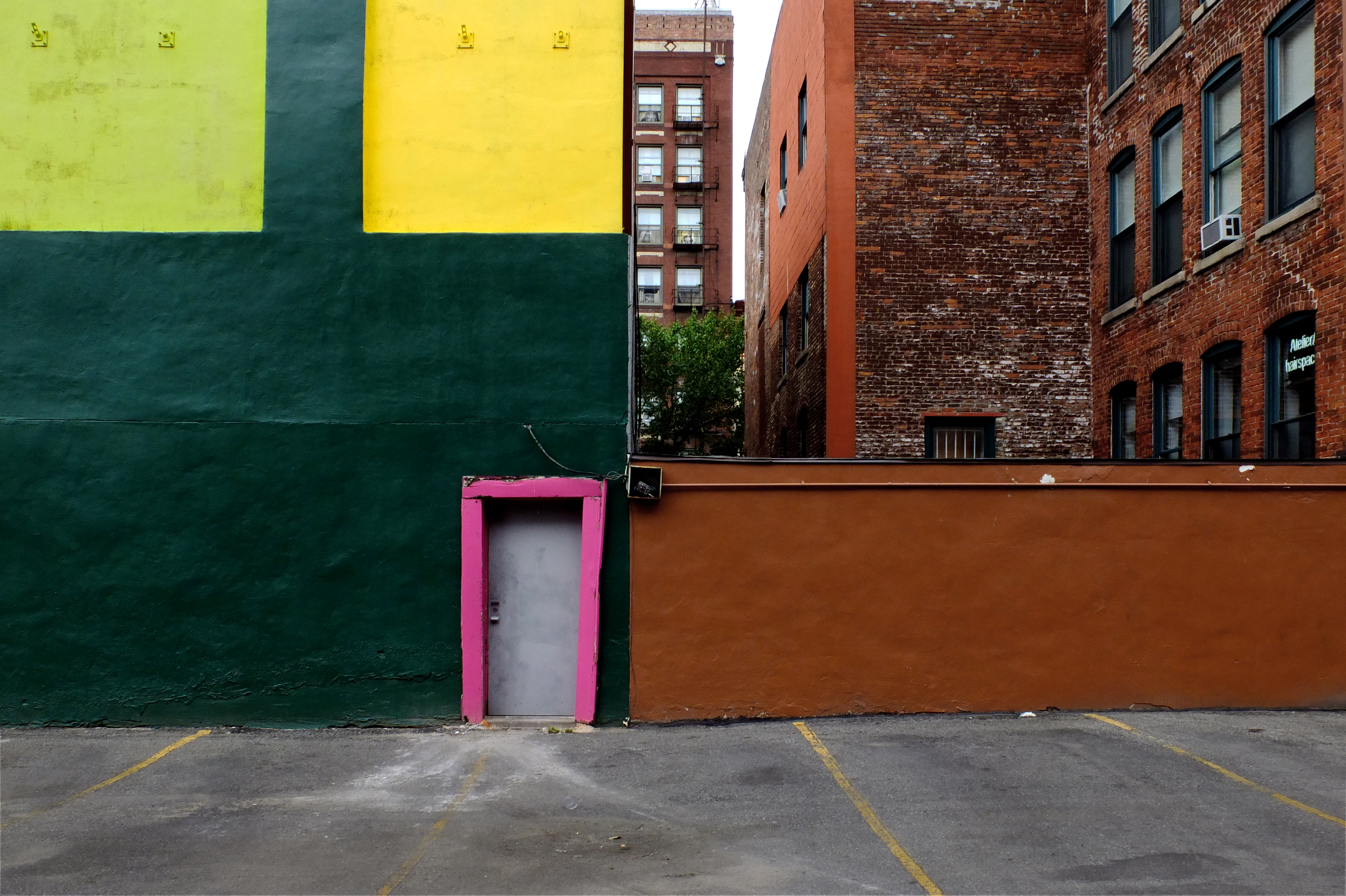
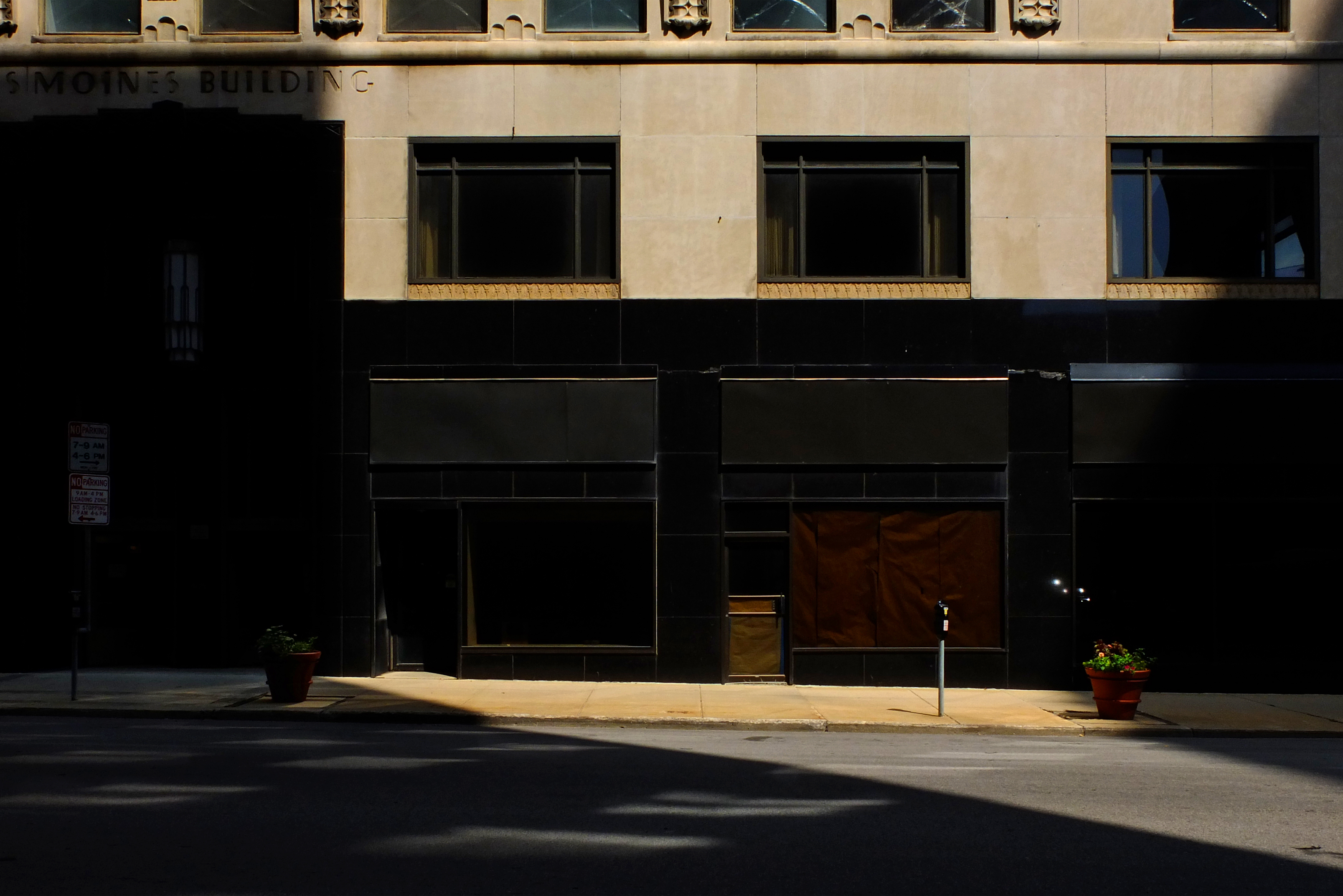
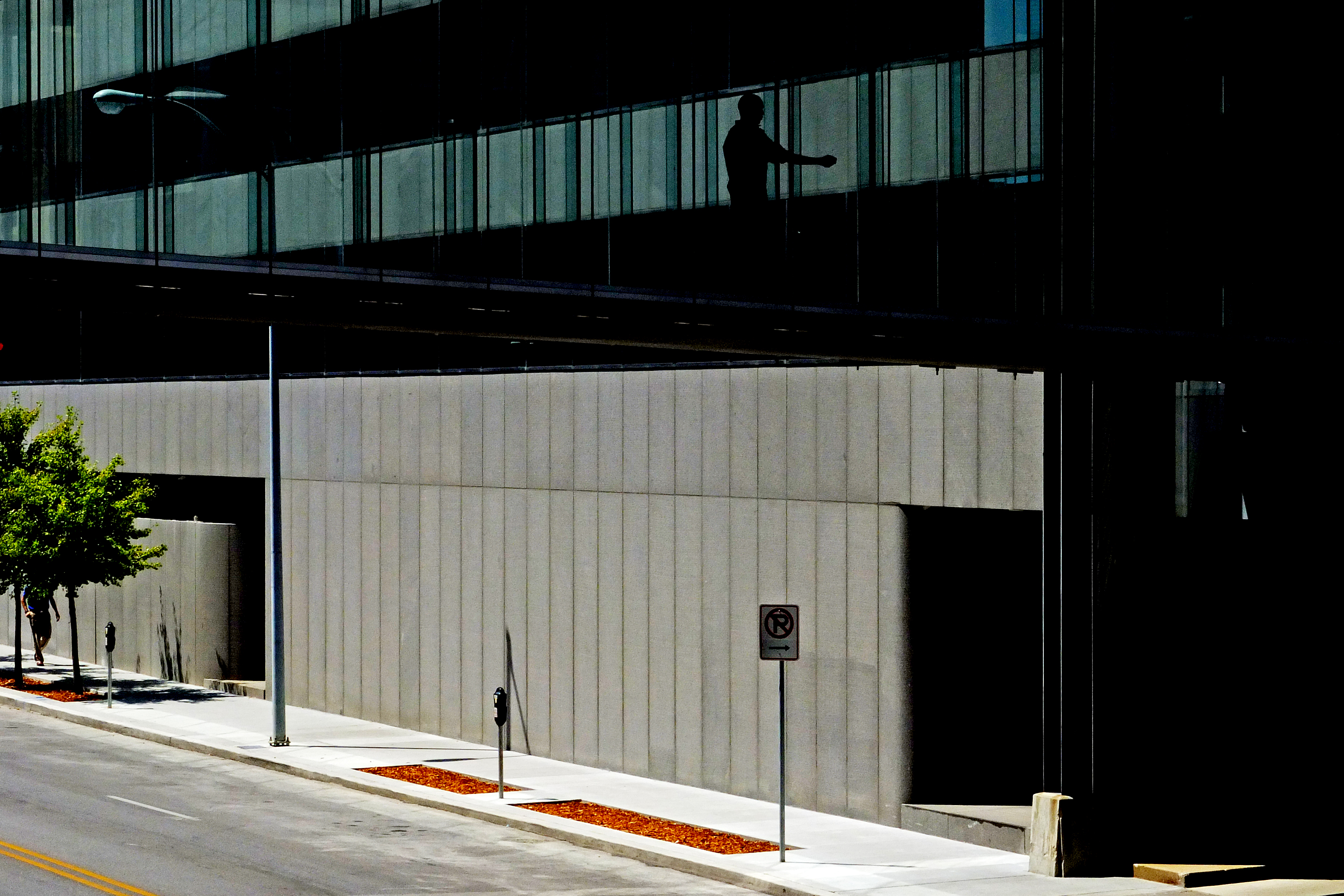
I’ve been shooting a lot of cityscapes lately — partly because I have a new camera that’s particularly well-suited for that sort of photography, and partly because I’m a sap for the geometry of structures. It’s been pointed out to me that most of my photographs are unpopulated. Devoid of people or other life forms.

This photograph, for example, sparked a couple of my favorite internet people to make the following comments:

I’m becoming increasingly aware of how meaningfully empty and post apocalyptic your cityscapes are. I used to think it was purely a compositional choice, that you didn’t want too many people or cars cluttering up the frame, but now I’m wondering if Des Moines has been quietly evacuated

I’ve wondered, too, about Des Moines. Where are all the people?

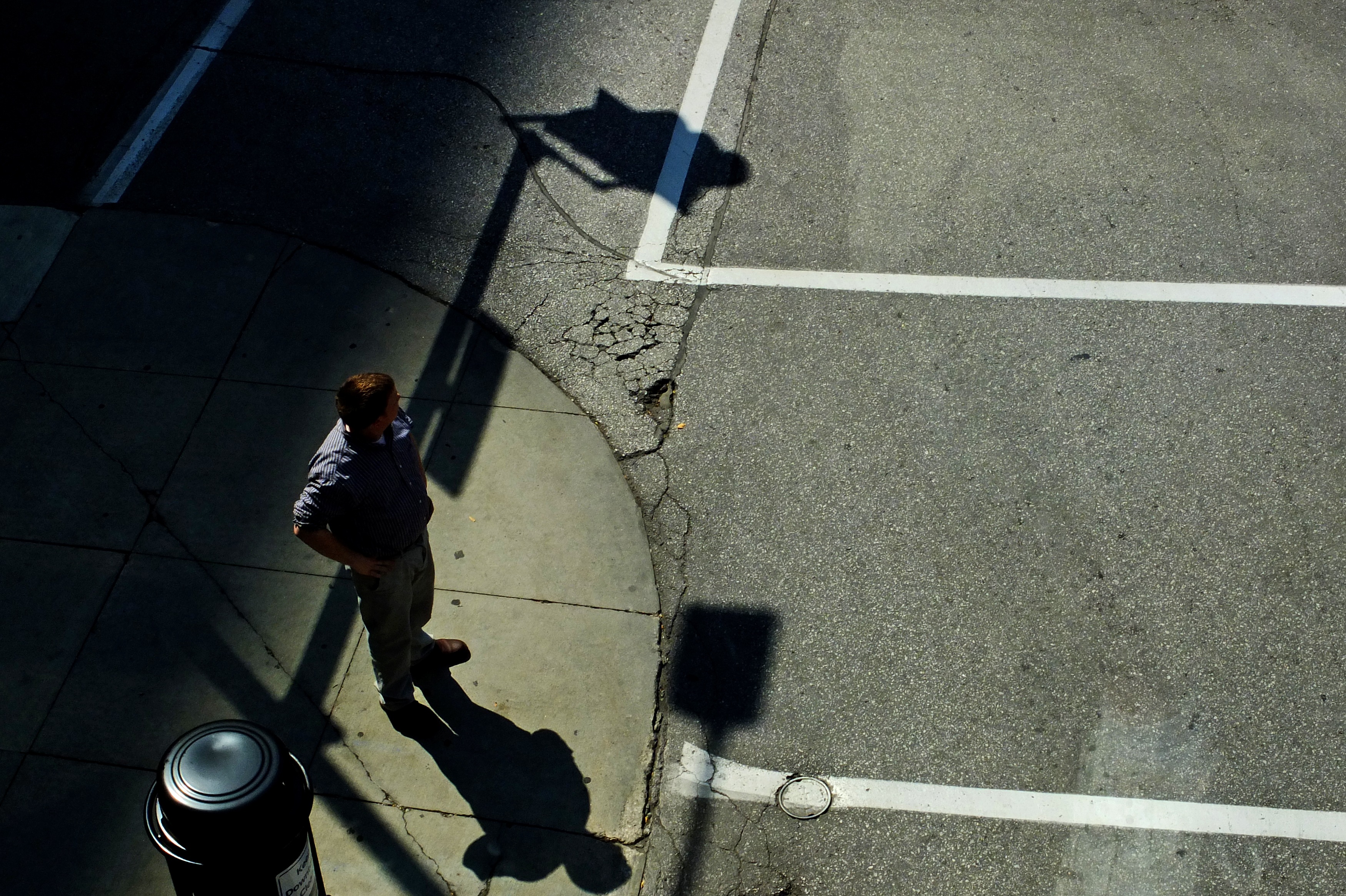
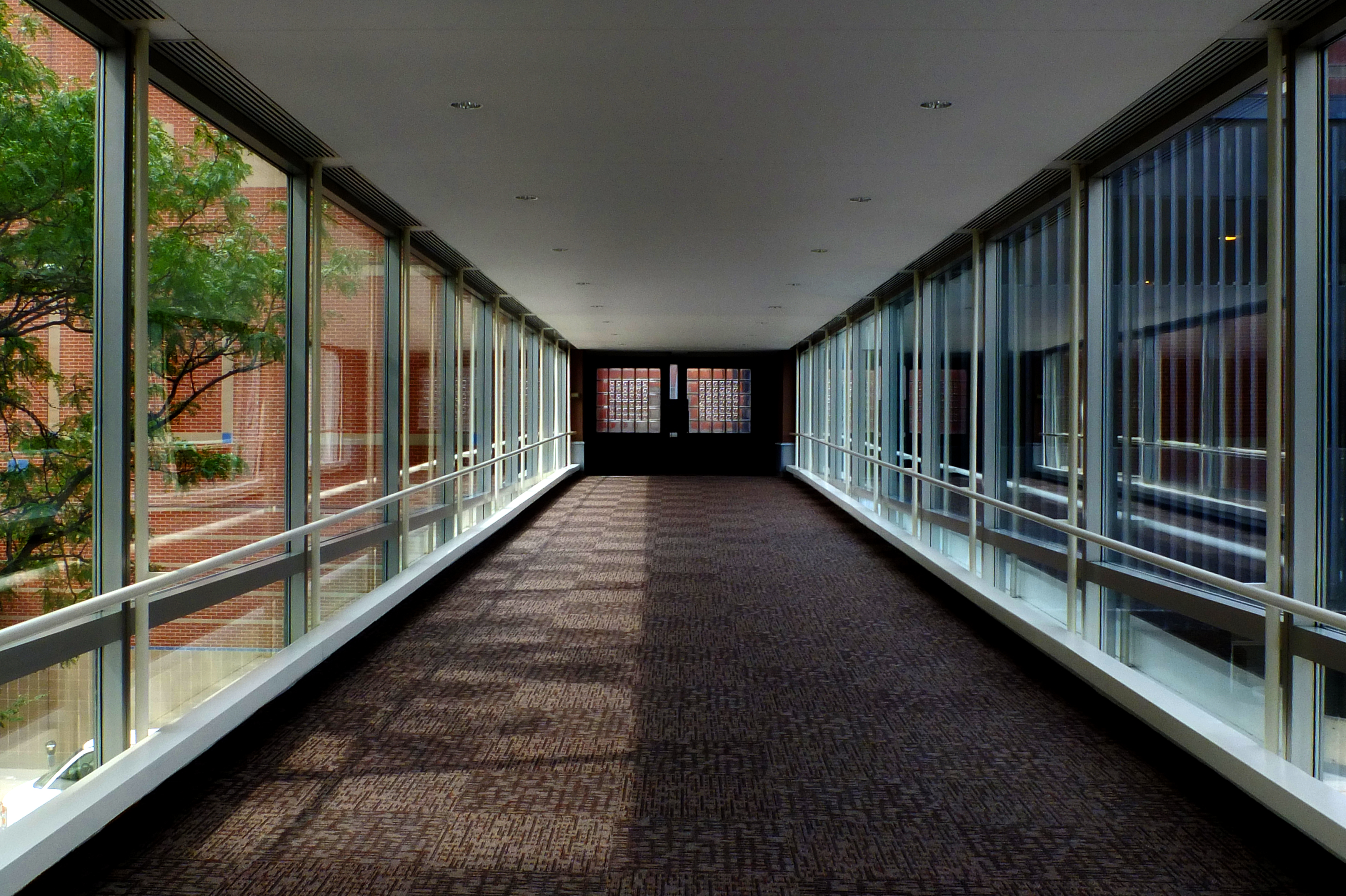
Where are all the people? The people are all over the damned place. They’re out on the streets and in the alleys and walking through the skywalk. I don’t always include them in the photographs, though. When I’m shooting cityscapes, I’m usually drawn to some combination of light and shadow, or some arrangement of form and shape. I’m usually drawn to the geometry, and the problem is that so often the people are just wrong for the geometry in the frame.

They’re dressed in the wrong colors, or they’re moving the wrong way, or they’re standing in the wrong spot or in the wrong stance, or they’re looking in the wrong direction, or they’re looking in the right direction but with the wrong expression. Sometimes they’re just wrong for reasons I can’t articulate, but they’re clearly wrong in the frame and they distract from what interests me.

When the people are being right, I include them. But when they’re being wrong I wait until the right people come along or until there aren’t any people at all. Or I give up and go somewhere else. For example, the following photograph needs people. I noticed the light and the shadows and the reflections, and I parked my ass across the street and waited for the right person or group to move into that space. I don’t recall how long I waited — I’d guess it was somewhere between a quarter of an hour and half an hour. During that time a lot of folks entered the space, but there was something wrong about all of them. None of them contributed to the space. So I documented the light, and moved on. With the right person, it would have been a good photograph. Now it lacks life.

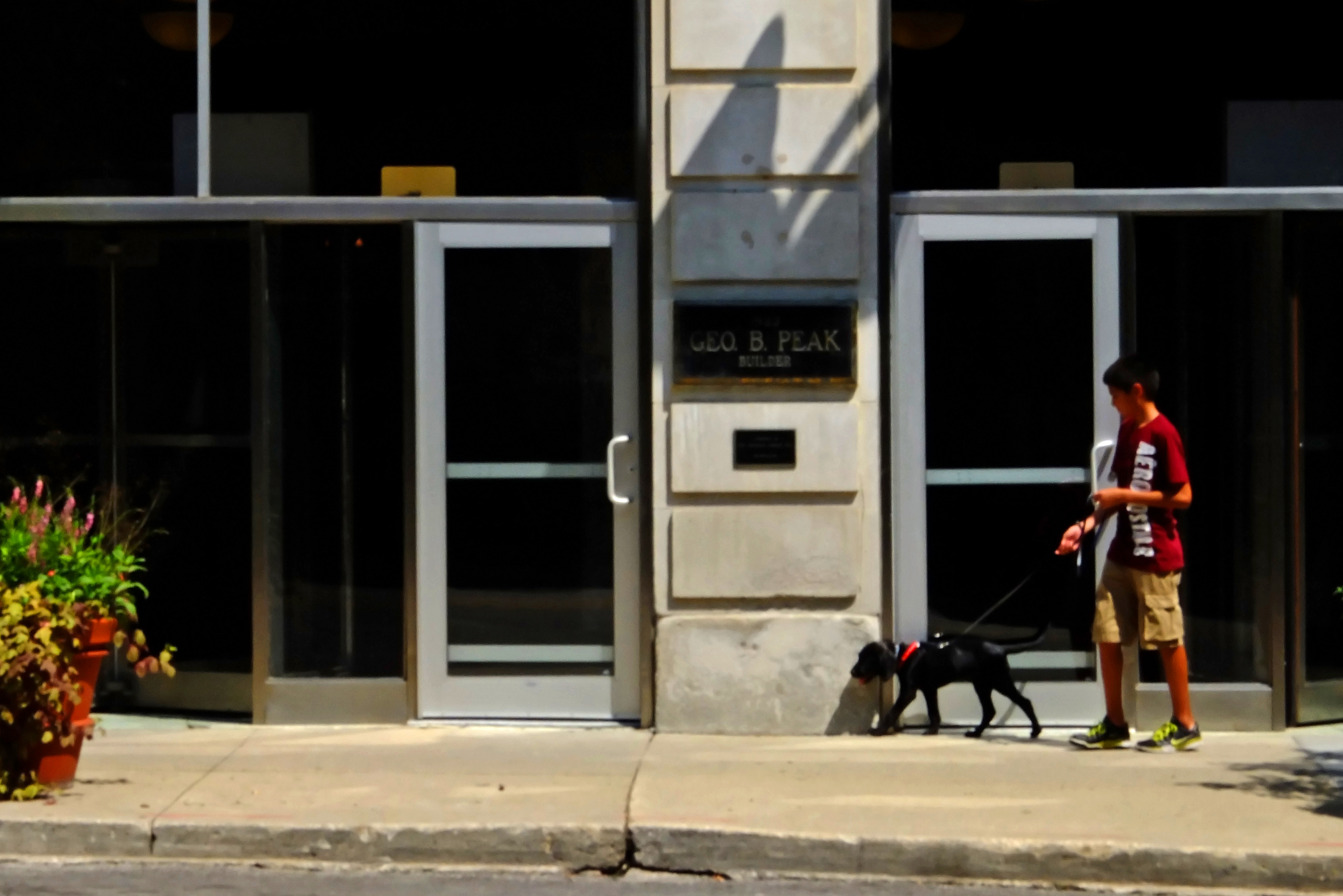
There are other times — less common, to be sure — when I notice people who look like they’d be right. There’s something about the person that draws the eye and makes me think all that’s lacking is the right background. So I sort of wander along with them for a while in the hope they’ll move into an interesting space with good geometry. If they don’t, they don’t. I end up with nothing. I tagged along with the kid in the next photo and his puppy for maybe ten minutes (any longer and I begin to feel like a pervert). I shot maybe a half dozen frames in a half dozen different situations — but the light was always wrong, or the shadows were wrong, or the geometry was wrong. And when the exterior factors cooperated, the kid or the puppy were wrong, or I was a half second too slow or too quick. So in the end, I got nothing interesting.

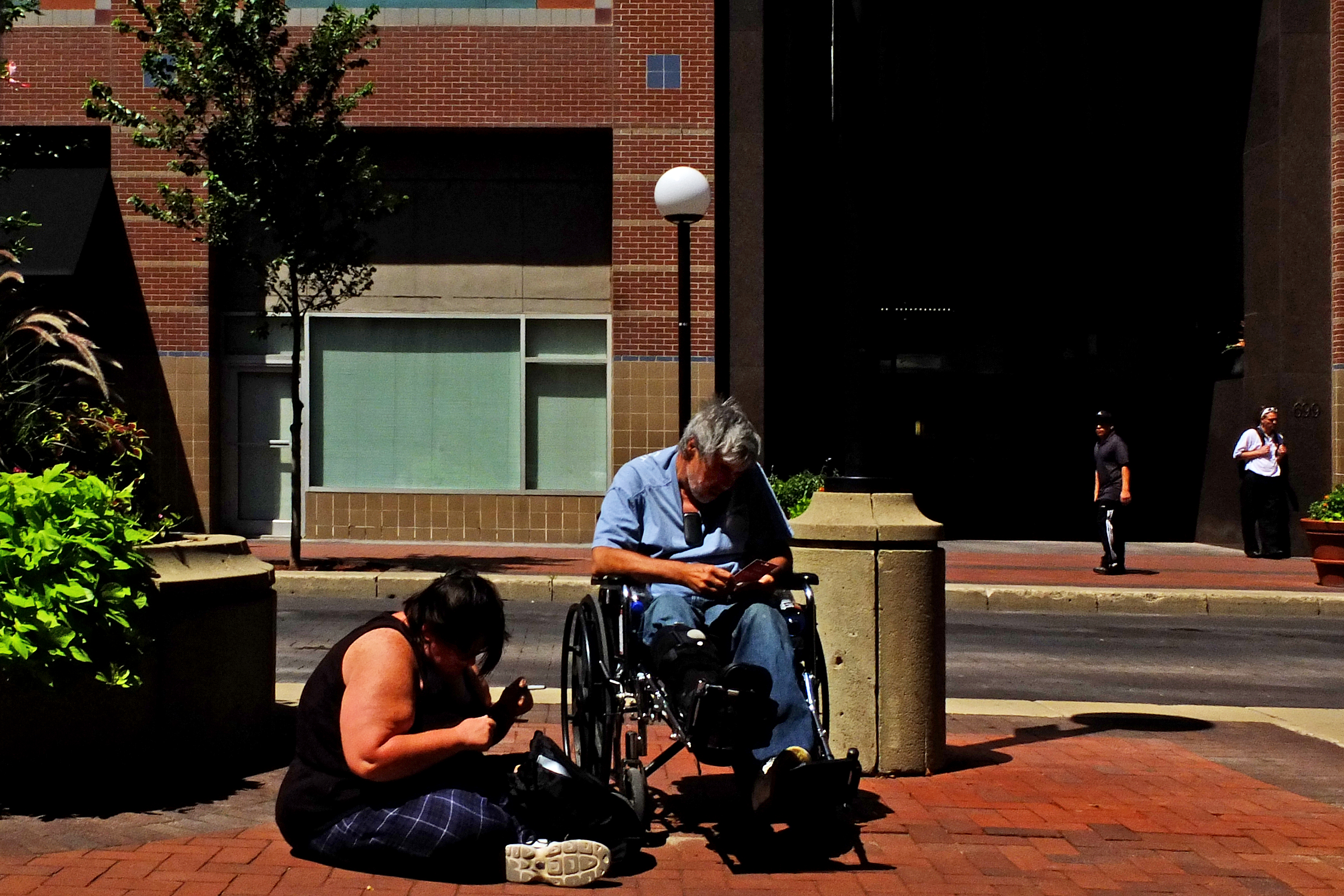
The thing is, I’ve been shooting cityscapes — photographs of the city. Not photographs of the people. This new camera is also, I think, well-suited for street photography and I’d like to start getting involved in that. Street photography is a lot more fluid and relies on a different sort of geometry. Instead of looking for the geometry of structures into which people might fit, I’ll have to learn to look for geometry and structure in how people move and arrange themselves.

Cityscapes, in my opinion, can fail if the people are wrong or if the geometry is wrong. I have the feeling that when street photography fails it’s because the photographer is wrong. That should make things interesting.

parsimonious

I was reminded today, in a roundabout way on Facebook, that I’m a stingy photographer. I guess I prefer to think of my approach as not being wasteful with film — but since I don’t actually shoot film anymore, that’s sort of ridiculous. In any event, the result is the same: I just don’t shoot a lot of photographs.

I don’t normally dwell on this sort of stuff, but one of Henri Cartier-Bresson’s more famous quotes was posted on Facebook: Your first 10,000 photographs are the worst. It occurred to me that I probably hadn’t shot ten thousand photographs in my entire long and semi-wicked life.

Here’s what I mean. I recently completed a series of photographs for Utata’s Just One Thing project. My contribution — my one thing — was the four miles of the Des Moines skywalk system. I spent six days noodling around in the skywalk. Sometimes I was there in the mornings and sometimes in the afternoon so I could catch different sorts of light. I was there on sunny days, and rainy days, and overcast days. Six days, and I shot a grand total of 177 photographs. That’s it — six days, 177 photos. That’s fewer than 30 photos a session. On average, each day I shot less than the equivalent of a roll of 36 exposure Kodachrome transparency film. Which they don’t make anymore, but you get my point. Not a lot of photos.

skywalk outtake

Out of those 177 photos I used twelve for the project and had eight others I’d consider worth keeping and showing people. So all in all, I got twenty worthwhile images out of 177 exposures. I don’t know if that’s a good ‘keeper’ rate or not; it seems about average for me. Would I have more keepers numerically if I shot more? I don’t know.

I’m not entirely sure why I’m so parsimonious with photography. All 177 photographs for the skywalk series were shot using a digital camera with a 16 gigabyte memory card that can hold nearly 3700 .jpg images, so it’s not a matter of space. I tell myself it’s an artifact of having learned photography using film, but I haven’t shot film in years. Surely I’m more adaptable than that. I mean, even a flatworm can learn to adapt to current conditions.

skywalk outtake

It might be the sort of photographs I shoot. I tend to shoot situations that either require patience or immediate action. Either I find the scene I want to shoot and wait for all the elements to come together in the frame, or there’s no time to wait at all — you shoot or you lose the moment. In the first circumstance I might shoot two or three exposures, but if I’ve prepared myself, that’s all I need. In the second circumstance, there’s rarely a chance for a second exposure. You’ve either got the shot or you don’t.

skywalk outtake

I’m the same way, though, when it comes to writing. Serious writing, that is — the writing I do professionally. When I’m putting words in a row for money, I try to be economical with them. Of course, when I’m just nattering away for my own amusement — like now — I’m a total spendthrift with words. Then I have no sense of moderation at all, at all. I don’t mind wasting words then; I figure there are always more words out there and I’m not likely to run out of them.

The only time I’ve been profligate with film is when I was a working private investigator and had to shoot photographs for the job. Photos of crime scenes, surveillance photos, photos of suspected arson cases, evidentiary photos in personal injury or insurance cases. In those situations, film is cheap. It costs less to have lots of redundant photographs than to have a case fail for the lack of the one photo you really need.

skywalk outtake

I have, on occasion, told myself not to be so stingy with photographs. But it never seems to take. I see the thing I want to photograph, when possible I take a moment to decide on the camera settings (aperture and shutter speed and white balance and all that), then I raise the camera and take a shot — maybe two, sometimes three. Immediately after that I think ‘Got it’ and that’s that. Or I think ‘Nope’ and then I either wait for the elements to all come together again, or I just move on. If I’ve missed it, I’ve missed it. The nice thing about photography is there’s always something else to photograph.

Right now — at this moment — I feel like I should train myself to shoot more photographs. But I suspect that the next time I find myself with a camera in hand and something I want to photograph, I’ll probably do what I always do. I’ll either get the shot or I won’t, and then I’ll move on.

skywalk outtake

this is what we do

It’s hard to explain the affection I feel for Utata — for the community itself, for the staff, for the members, for the very concept of Utata as a place where intelligent, creative people from all over the globe gather to chat, argue, and shoot photographs. We often refer to Utata as a tribe — a neo-tribal virtual collective that’s held together by kinship. But this isn’t a kinship based on consanguinity; it’s a kinship of attitude and spirit and intelligence and exceedingly varied interests.

I feel especially affectionate toward Utata today. That’s partly because today is Labor Day in the U.S. Ever since 1894, the first Monday of September has been a day set aside to acknowledge and honor the economic and social contributions of workers. At least in theory. In reality it seems as if the United State no longer honors men and women who perform labor — only those people who make money off those who labor. So on this day I’m reminded how very special are the men and women who volunteer their time and labor to make Utata work. They don’t get paid, they take some dull and grinding chores upon themselves, they sacrifice their leisure time — and they do it all simply to create and maintain a venue for other folks to be creative. That’s what we do.

Just One Thing badge

This is the other reason I’m feeling affectionate about Utata today: we’ve released our summer project: Just One Thing. It’s a perfect example of what makes Utata unique. The concept is simple: focus creative attention on one thing  (or one type of thing). It might be a specific lawn chair moved from place to place in an Austrian town, or a wildly re-purposed red high heeled shoe, or a woman holding a variety of umbrellas, or a selection of grey post boxes in Canada., or a look at the world deliciously inverted through a glass apple, or the assorted old stuff found jammed in the hollow spaces of an interior wall and uncovered during home renovations.

It’s an odd collection, to be sure, but perfectly in keeping with the sensibilities of Utata. Beyond the obvious conceptual theme, one of the things that holds this project together is a generous sense of wit and whimsy. You will smile as you look through these photographs. And you will have thoughts you’ve never had before. That’s what we do in Utata.

nobody burned more bridges

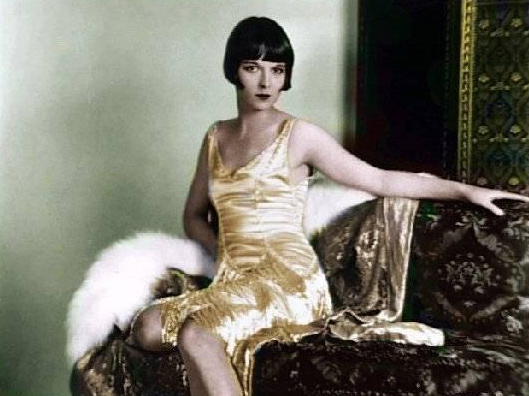
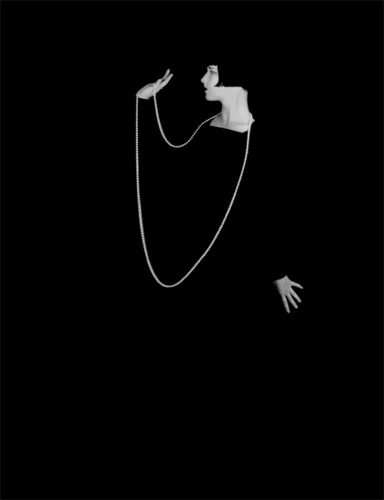
“Nobody burned more bridges than Louise Brooks, or left prettier blazes on two continents.”

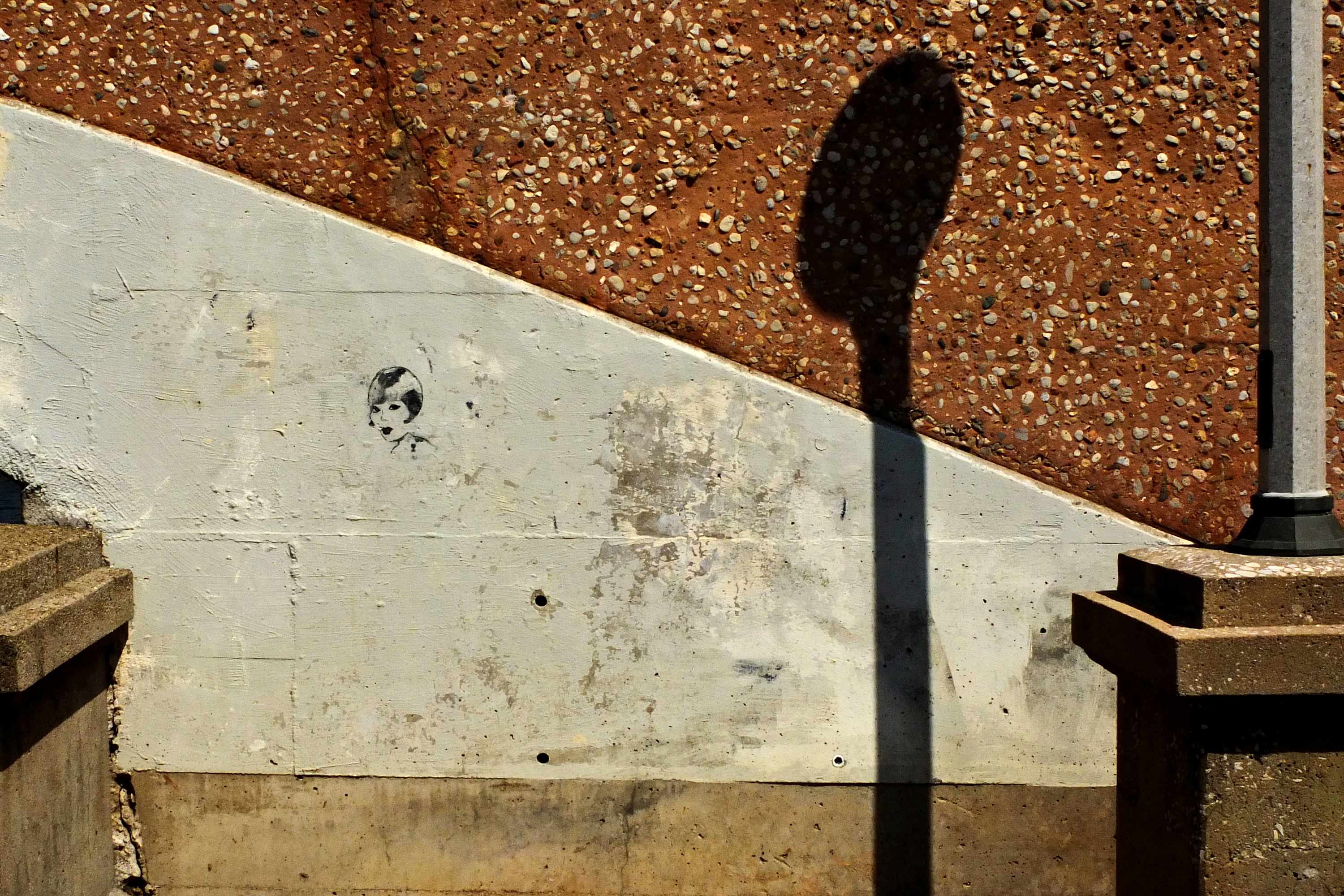
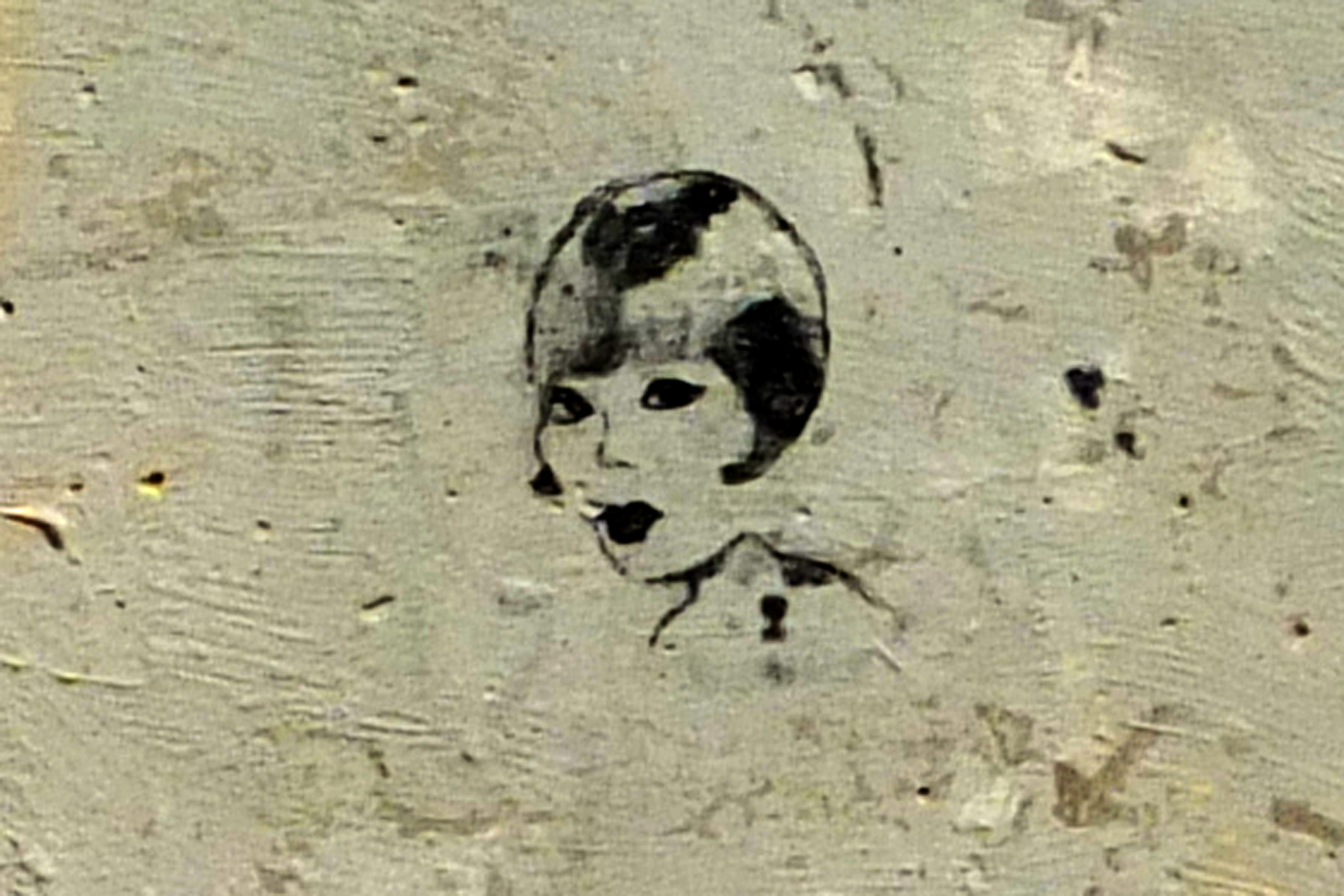
It was a pleasant afternoon and I was strolling along the riverwalk, which is a thing I like to do whenever possible. I was thinking about all the stuff I needed to get done, which is a thing I like to avoid thinking about whenever possible. As I approached one of the many bridges that cross the river I noticed a small sketch inked or painted on the side of the abutment.

It clearly wasn’t the usual graffiti. It was a woman’s face, sketched small — not much bigger than my hand. There was something very familiar about the face. It was the hair, mostly — that short angled bob — but even the pose reminded me of something I’d seen somewhere before. I knew that face.

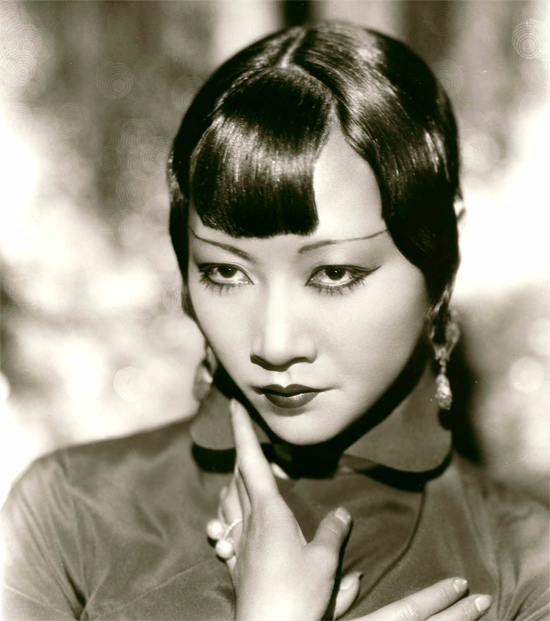
I stood there for a time and studied the sketch. There seemed to be a slight Asian quality to her eyes, and I wondered for a bit if it might be a sketch of Anna Mae Wong — the first Chinese-American movie star of the 1920s and 30s. I’d seen a documentary about Wong at some point, and it mentioned her as having gone through a ‘flapper’ period. It might be her.

Anna Mae Wong

Anna Mae Wong

But no. When I returned home, I cracked open my computer and a quick Google search confirmed it. Whoever it was — if it was intended to be a sketch of an actual person — it wasn’t Anna Mae Wong.

But who was it? I was absolutely certain I’d seen that face somewhere. Maybe I’d come across a photo similar in style while researching a Sunday Salon. Some photographer from the 1920s or 30s, certainly. American? Possibly, but more probably European. A French photographer, perhaps. That hairstyle, though, definitely belonged to the flapper era. Was that a uniquely American Jazz Age phenomenon? Or was the flapper fashion cross-cultural? I’d no idea.

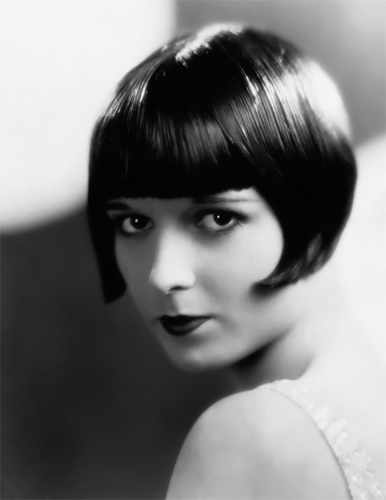
So I tried a Google image search using the keywords flapper bob. It seemed like a long shot…but there she was: first photograph on the first page.

Her name is Louise Brooks, and she wasn’t European. She certainly wasn’t French — at least not by birth. She was born in 1906 in a small town in Kansas, of all places — a town with the improbable name of Cherryvale. She wanted to be a dancer, which was quite an ambition for a girl from Cherryvale (which, at the time she was born, had a population of about 4000 souls — almost double the current population, which tells you something about Cherryvale, Kansas).

Louise decided to do what all ambitious Midwestern girls dream of doing: she packed a bag and went to New York City. That was in 1922; Louise was 15 years old.

She was accepted into the Denishawn Dance Company, run by famed choreographers Ruth Saint-Denis and Ted Shawn. By 1923 she was one of the company’s principal dancers. By 1924 she was fired from the company because of her temper. By 1925 she was dancing in London, where she gained some notoriety for being the first woman in England to dance the Charleston on stage. Later that year Louise returned to the U.S. and signed a five year contract with Paramount Studios. She was 19 years old and they told her they wanted to make her a movie star.

And lawdy, they did. They surely did.

She made a number of silent films in the U.S., and her signature hairstyle quickly became adopted by young women all over the country. For the most part Louise played flappers and vamps, roles for which she was perfectly suited since she actually was a flapper and a vamp. Her career at Paramount was tumultuous — she drank too much, she had affairs with men and women (including Marlene Dietrich), she argued with the studio executives, and she alienated directors and producers by ‘reading too many books’ and having too many opinions.

And once again her fiery temper caused her to be fired. As before, Louise responded to being rejected by going to Europe and becoming a success. In 1929, at the age of 23, she made the film for which she’s best known: Die Büchse der Pandora. Pandora’s Box. Here’s how the movie is described:

The rise and inevitable fall of an amoral but naive young woman whose insouciant eroticism inspires lust and violence in those around her.

Louise played the role of Lulu, the ‘amoral but naive young woman.’ The movie itself is confused and disjointed, but by all accounts Louise personified the role. It lifted her from the status of ‘movie star’ up into the category of ‘movie legend’ and eventually ‘cult figure.’

Her life continued at the same dizzying, passionate pace. She returned to Hollywood, she married millionaires and divorced them, she argued and seduced and drank and danced, she posed in the nude for photographers, she made two more films (one with John Wayne) and then abruptly left the movie business. She moved back to New York and spent herself into bankruptcy. By the time the Great Depression rolled around Louise Brooks was broke but well-dressed. She worked part-time as a salesgirl at Saks Fifth Avenue and part-time as a courtesan, keeping company with the city’s few remaining rich men.

By the 1950s, Louise Brooks was something of a recluse, living in a small New York apartment. Then French film historians rediscovered her and began to revive her films. The critic Henri Langlois declared “There is no Garbo, there is no Dietrich, there is only Louise Brooks.” The French revival sparked interest in the U.S., and caused the film curator of the George Eastman House to track down Louise in New York City. He persuaded her to move to Rochester, NY, where she began to write about her life and acting career. She became something of a film critic herself, and later published an autobiography titled Lulu in Hollywood. When Liza Minnelli was looking for inspiration on which to base her character Sally Bowles in the movie Cabaret, she found it in Louise Brooks. Her life story fueled novels and biographies, it drew the attention of documentary filmmakers, and even became the underlying concept of a popular and influential Italian erotic comic book series — Valentina.

That face went from Cherryvale, Kansas to New York City to London to Hollywood to Germany to Hollywood again and New York City again to Rochester, NY and now it’s on the side of a bridge crossing the Des Moines River, some four hundred miles from Cherryvale. That’s a hell of a journey. It’s a hell of a story. Louise Brooks was a hell of a woman.

boneheaded mistakes

I have a new camera. I’ve had new cameras before, but not like this one. Almost all of my previous new cameras were SLRs or DSLRs, and it was fairly easy to adjust to them. A slightly different feel in the hand, some variation in the menu system — that was it.

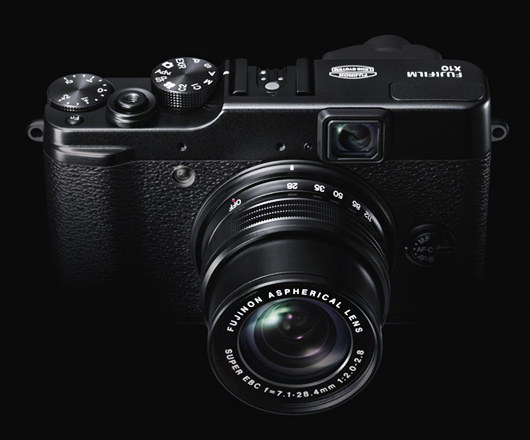
But not this time. This time is different. This time the new camera is a Fujifilm X10.

It’s a sweet little unit. Small but sturdy, beautifully constructed, extraordinarily quiet to use, pleasing to the eye but plain enough to be inconspicuous. It’s a rangefinder style camera, with an optical viewfinder that gives you absolutely NO information at all. No shutter speed, no aperture, no ISO, no hint at metering, nothing at all. If you want to get a good exposure, you’d damned well better know what you’re doing.

Oh, you can turn on the LCD monitor and use that to compose your photograph. That’ll provide you with nearly as much information as the Mars rover sends back to JPL. The LCD certainly makes shooting photos a lot easier. But I find I’m relying almost exclusively on the information-free viewfinder. It reminds me of my very first camera — an old Argus rangefinder from the 1950s. Completely manual, of course. I don’t think it even had a built-in light meter. It was just a metal box with a lens. Relying on the viewfinder with the X10 is like remembering how to drive a car with a manual transmission — you make some awkward and noisy mistakes, but you recall how much fun driving can be.

I wanted this camera to tote on my bicycle, but it’s turning out to be an ideal cityscape and street camera. I have no hesitation in pulling out the subtle little X10 in situations where I’d have been reluctant or unwilling to use a DSLR. There IS some hesitation before actually shooting the photo, however. Not because I’m uncomfortable with it, but because I have to pause a moment to consider issues of exposure. I have to hold back a bit while I judge the parallax error caused by the viewfinder.

It’s like learning to shoot photographs all over again. For the most part I walk around following the old Weegee rule for exposure: f8 and be there. But when immediacy isn’t an issue, I have to actually evaluate lighting conditions and decide on the proper exposure. Photography has become a challenge again. Every decision point that was second nature with a DSLR now requires active thought, which keeps me more engaged in the moment.

And isn’t that what photography is all about?

As you can see from some of these photographs, I’m still making mistakes. I sometimes get the exposure wrong, I screw up the composition by misreading the parallax difference, and I bungle the focus point. Rookie mistakes. Boneheaded mistakes.

I can’t tell you how much fun I’m having making those mistakes.