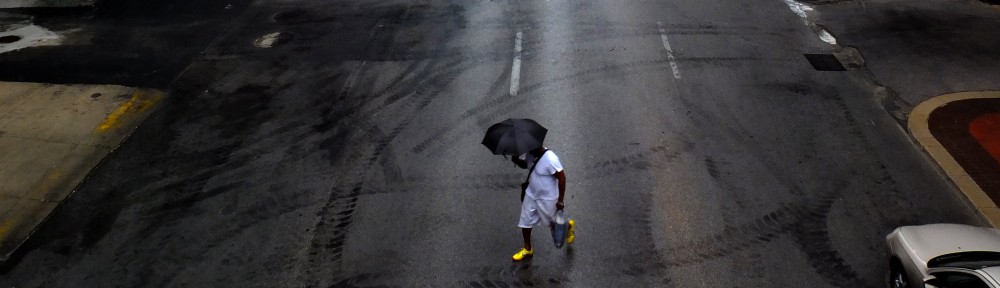
I don’t know when it started, this thing for bollards. Out of curiosity, I did a quick search through my digital photographs and found a photograph of a bollard from 2007. I know I’ve shot photos of bollards with film cameras, including instant film cameras. I’ve photographed them in color and in black-and-white, in several formats (square, 3:2, 4:3), in all sorts of environments, in all manner of weather, using whatever camera I happened to have at hand. So yeah, my bollard fascination has been active for at least a couple of decades.
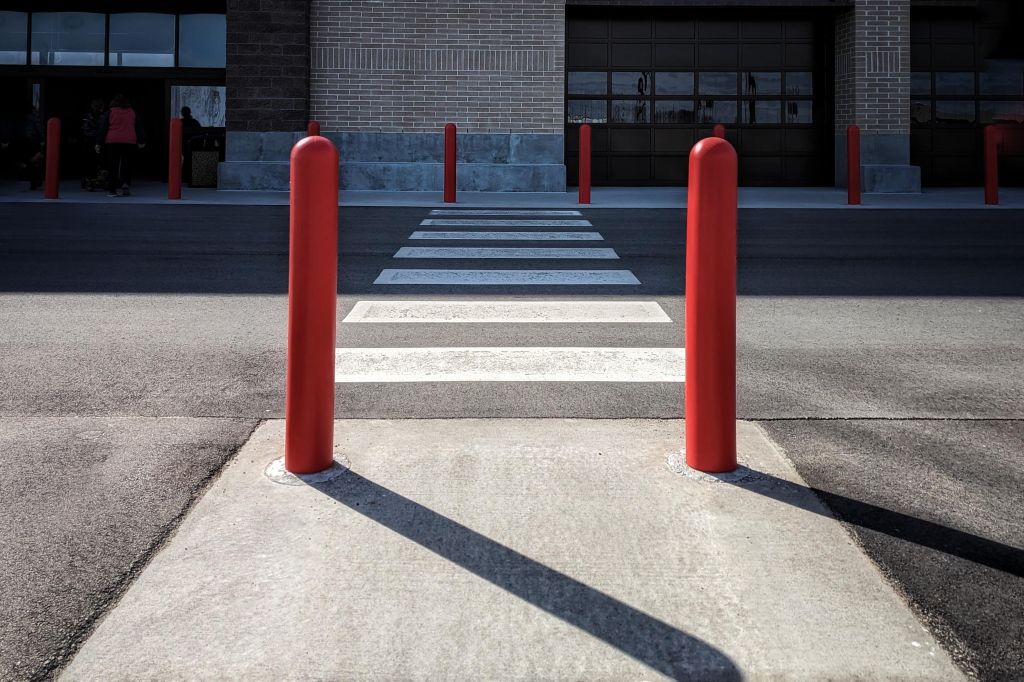
Why bollards? No idea. I mean, sure, I can come up with lots of justifications for why I photograph them. They’re an interesting compositional form. They’re often present in uniform groups, so there can be a nice repetitive element to them. They’re frequently painted in bright colors—and when they’re not, when they’re old and battered with weathered paint, they can add a sort of wabi-sabi aura to an image.
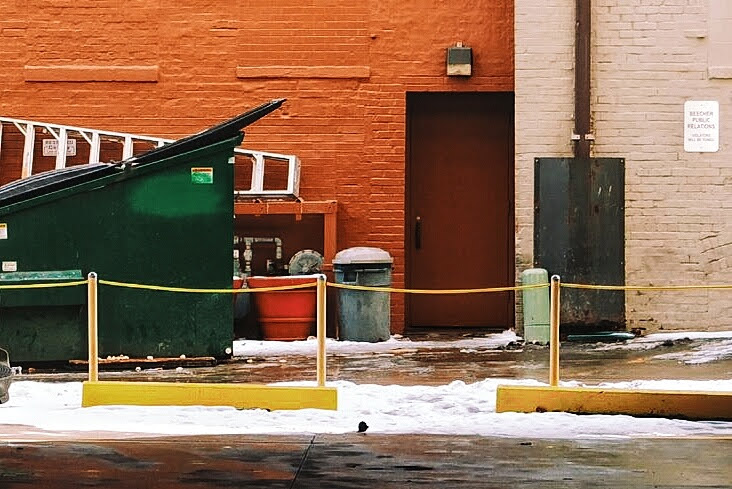
But like I said, those are justifications for including them in a photo. The fact is, I’ve no idea when or why bollards as a concept attached themselves to my brain like some sort of remora. What’s weird—well, one of the many weird things—is that so many other folks are aware of my interest in and affection for bollards. I’ve had friends from all over the globe shoot and photographs of the local bollards they encounter just for my interest. Do I talk about bollards that much? I guess I must.
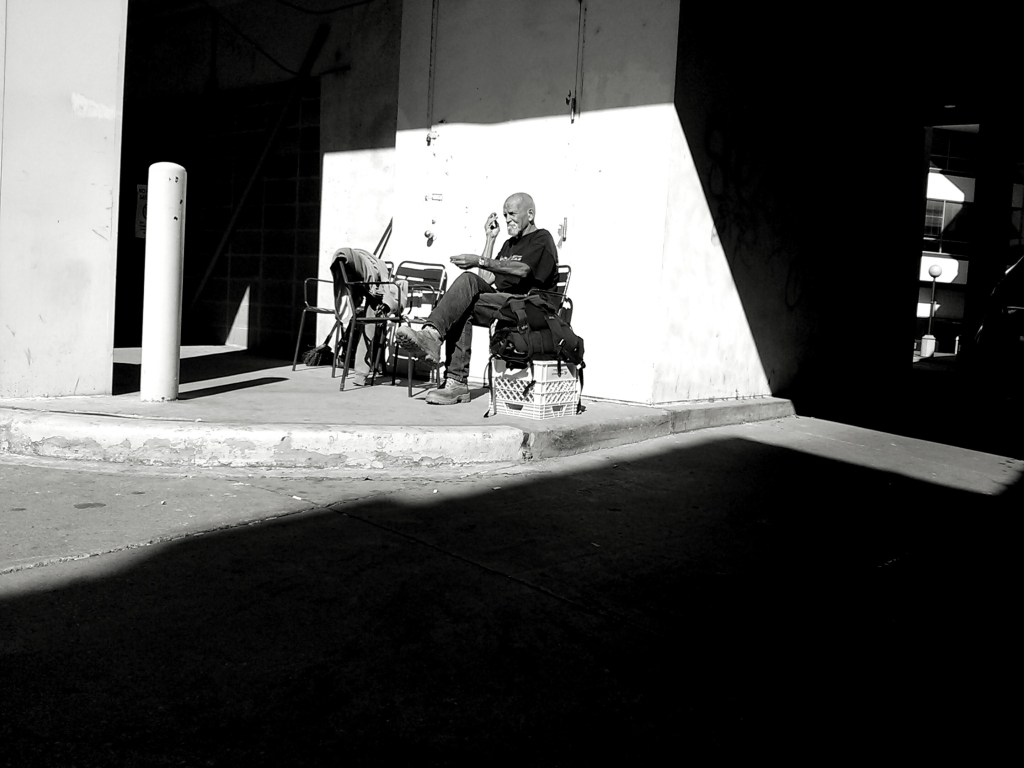
Maybe my interest in bollards attracted the attention of other folks partly because so many people had no idea that all those banged up ‘posts’ they see everywhere every day actually have a name. Bollard, it comes from the Old Norse term bolr, meaning “the trunk of a tree”, and the suffix -ard, which generally acts as an attributive pejorative intensifier (as in ‘coward’ being one who cowers, or ‘drunkard’ being one who is often drunk, or even ‘bastard’ which originally referred to “someone conceived on a pack-saddle” (French bast), since they were used as makeshift beds).
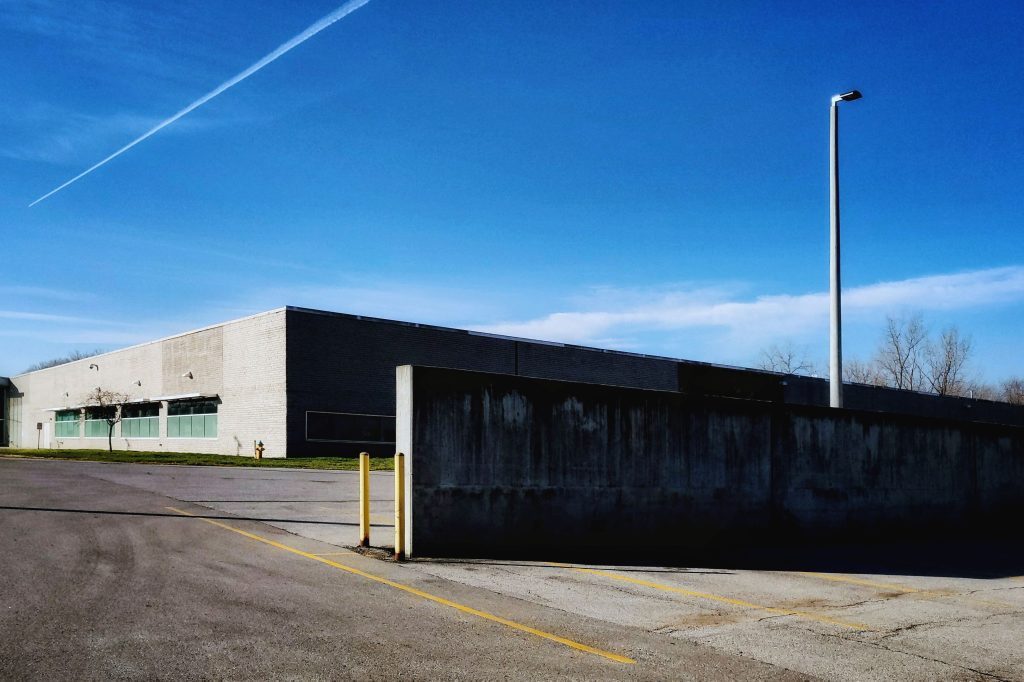
Originally, bollards were tree trunks used by Vikings to moor their ships and boats. Over time, the term was used to describe the posts on docks used for that same purpose. By the early 1700s, urban bollards began to be used to constrain horse and wagon traffic. Now the term bollard is applied mostly to posts used to protect objects (or people) from being struck by carelessly driven vehicles.
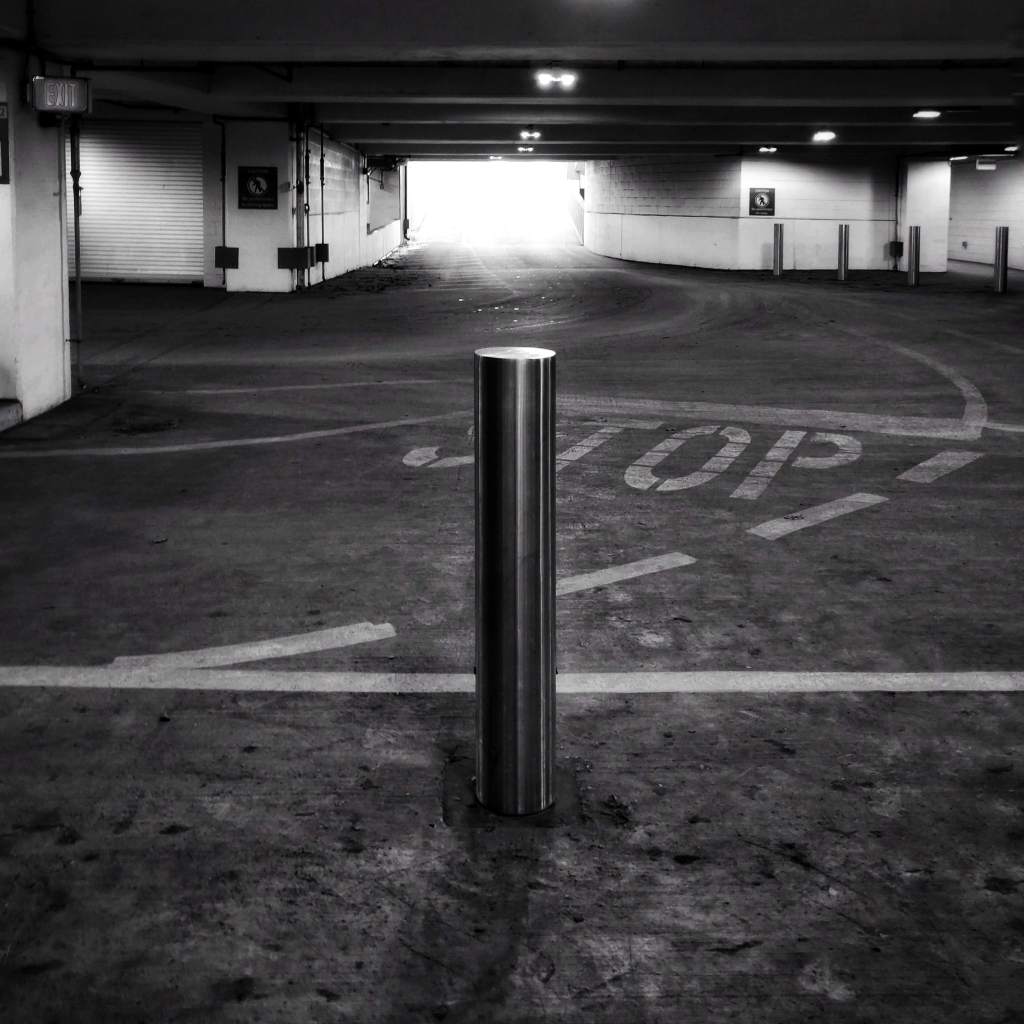
Bollards are everywhere. The fact that they’re ubiquitous makes them almost invisible. Unless, of course, you look for them. Some bollards are decorative—brightly colored or metallic and shiny. Some are sort of disguised; there’s a small, family-owned ice cream joint not too far from where I live that has bollards shaped like ice cream cones. But most bollards are plain, unadorned, simple, practical, utilitarian. They’re not there to please the eye, but to serve a purpose.
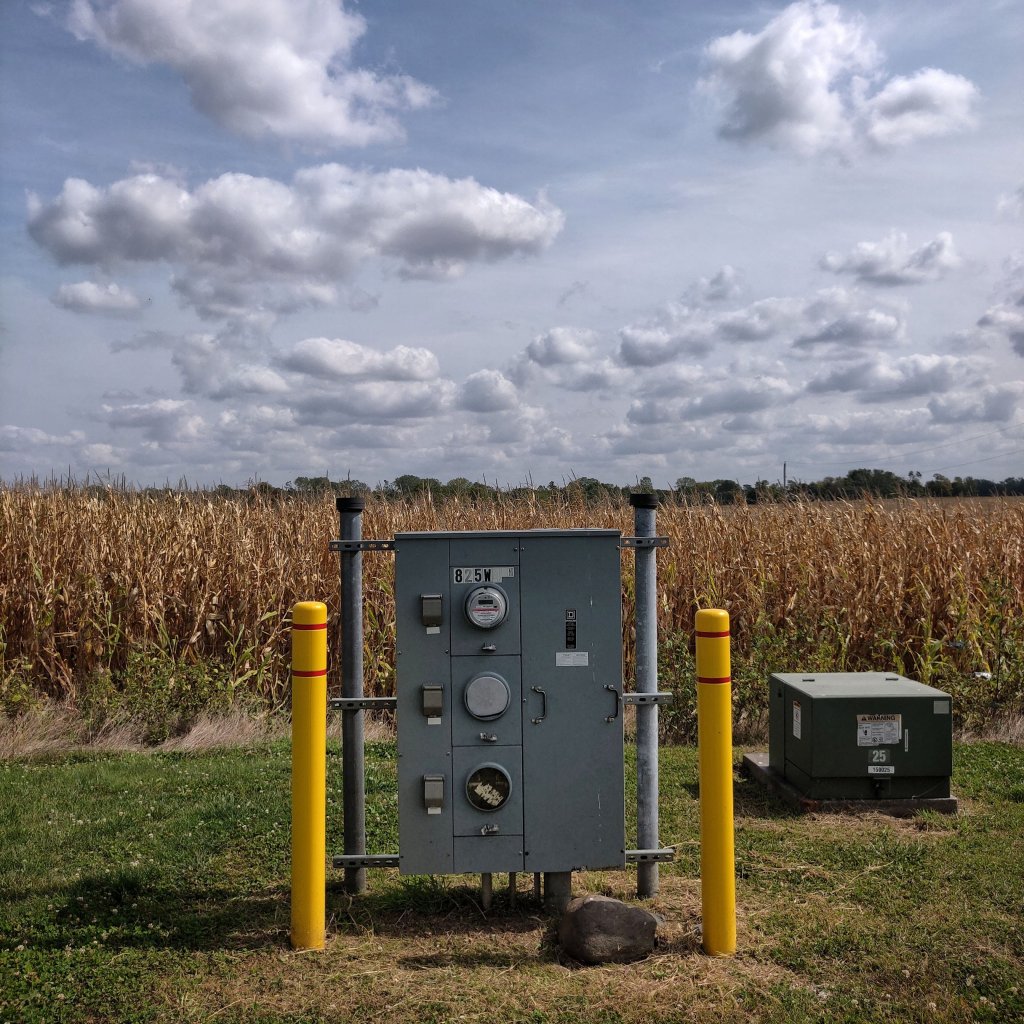
In my mind, bollards are sort of heroic. Yes, that’s right…I’ve romanticized bollards. I find a weird, sad, lonely, powerful beauty in them. They may be weather-beaten, banged up, isolated and ignored, damaged, with chipped paint, but they’re still standing there, doing their job. Protecting stuff.

No matter how abused or battered they are, bollards provide the illusion of permanence. They’re fucking solid. But at the same time, the very fact that they’re so often damaged exposes the lie of permanence. Bollards will stand a very long time, but eventually they’ll be removed and replaced. And very likely, nobody will notice when that happens.
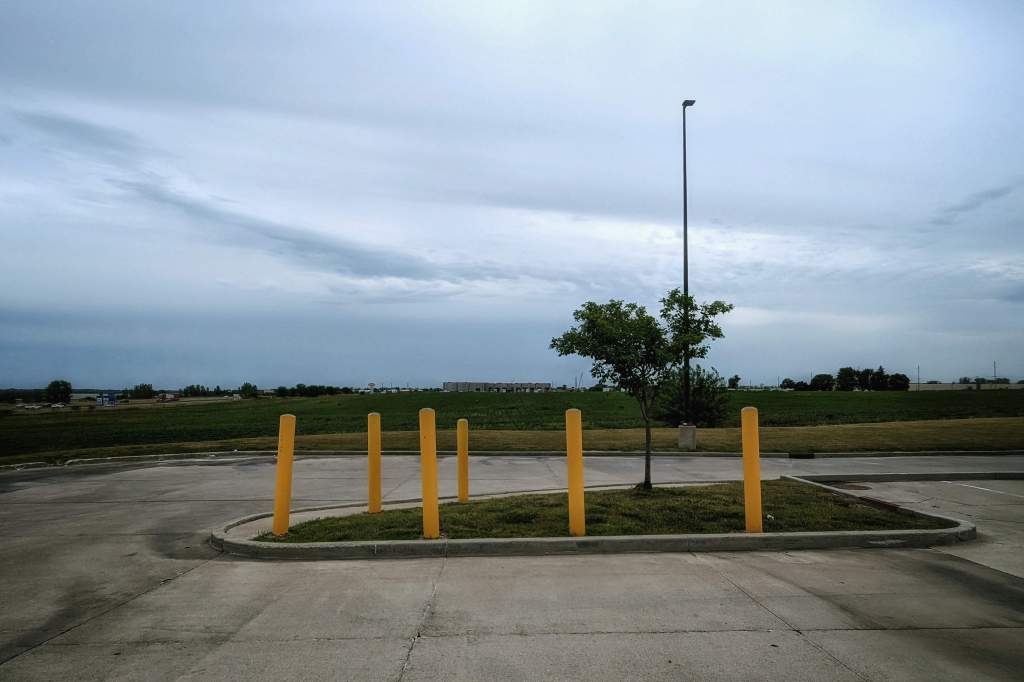
I’m also attracted to bollards because they’re excellent examples of the humanness of things. They’re thoughtful, deliberate infrastructure. Somebody deliberately put them where they are. Somebody decided there was something that needed to be protected, and chose a specific type of bollard to be placed in specific patterns to keep that ‘something’ safe. The humanness of things is always there, if you look for it.
So, yeah, bollards. They’re not pretty. They’re common, unrefined, even crude. They don’t need your respect. But they deserve it.


I’ve been noticing them quite a lot lately too. What’s up with that? (BTW, that first photo is *stunning*.
LikeLiked by 1 person
What’s up with that?
I think it’s probably an issue of awareness. People don’t pay much attention to some very common things until they become aware of how common they are.
I call it the ‘white van theory.’ About 20 years ago, there were a series of sniper shootings in the Washington, DC area. It was suggested the sniper(s) were shooting from an unmarked white van — and suddenly people were aware of just how many unmarked white vans were on the street.
LikeLike
from wiki:
“The frequency illusion (also known as the Baader-Meinhof phenomenon) is a cognitive bias in which a person notices a specific concept, word, or product more frequently after recently becoming aware of it.”
LikeLike
Yes, it’s a real thing.
LikeLike
I honestly often think of you when I see bollards. Cool thing to keep coming back to.
LikeLiked by 1 person
I’m proud to be associated with bollards.
LikeLike
I never knew that’s what they were called. Learn something everyday!
LikeLiked by 1 person
I’m willing to bet that at some point in the not-too-distant future, you’ll tell a friend what they’re called. That’s how we spread the Gospel of Bollards.
Oh man, that would make a great title for a short story.
LikeLike
It’s not too late….Gospel of Bollards….
LikeLiked by 1 person
Spread the good word.
LikeLike