Harold T. Martin was commissioned as a Surface Warfare Officer in the US Navy; he served from 1987 to 2000, and was deployed during Operation Desert Storm. After being honorably discharged from active duty, he obtained a Master’s degree in Information Services. His education and military service allowed him to move into the defense industry, and he worked for a variety of defense contractor corporations.
As a naval officer, Martin had been cleared to access classified information and he retained his clearance as he worked his way through the defense industry. Each successive position granted him access to even more classified information. By 2012, Martin was working with the elite Tailored Access Operations unit of the National Security Agency (NSA). That unit was designed to create ways to secretly hack into computer systems (rather than individual units).
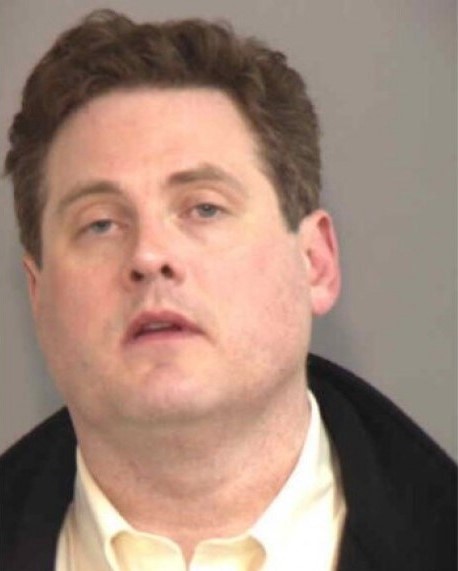
At some point in his career, Martin began to acquire sensitive secret information, which he brought home with him. He took materials from the Central Intelligence Agency, the National Security Agency, the United States Cyber Command, the Department of Defense, and the National Reconnaissance Office. He kept the material in an unsecured shed on his property.
Martin was arrested in 2016 and charged with Willful Retention of National Defense Information under the Espionage Act. According to prosecutors, Martin apparently never did anything with the information he stole; he didn’t offer them for sale, he didn’t show them to anybody. In fact, prosecutors believed he’d never even accessed any of the files he stole from government facilities. He simply hoarded them. It was, apparently, compulsive behavior.
In 2019, Martin was sentenced to nine years in prison.
Today Comrade Former President Donald Trump is being arraigned in federal court. Like Martin, Trump is accused of multiple counts of Willful Retention of National Defense Information. Like Martin, he took information he wasn’t allowed to take from multiple security services. Unlike Martin, Trump avoided military service. Unlike Martin, Trump allegedly showed classified information to people who weren’t classified to see it. Unlike Martin, who was incarcerated for three years before his trial, Trump has been free on his own recognizance.
It remains to be seen if Trump, like Martin, will be held accountable for his crimes.
 gregfallis.com
What was Trump’s purpose for taking the documents? I mean, isn’t that in itself an outright crime? Why is there any discussion?
LikeLike
What was Trump’s purpose for taking the documents?
I have suspicions about his purpose, but no knowledge of it. In any event, his purpose–regardless of whether you define that in terms of motive or intent–doesn’t matter in regard to the crimes he’s been charged with.
The severity of some crimes depends on the intent of the accused. For example, if you run over somebody with your car because you were distracted, that’s negligence. If you run over somebody with your car because you were trying to scare him, that’s recklessness. If you run over somebody with your car because you were angry with him and wanted to hurt him, that’s willful.
The crimes in these indictments are different. It doesn’t matter WHY he took the documents. What matters is that he had no right to take them but yet he did.
LikeLiked by 1 person
Of course. That’s why I asked “Why is there any discussion?” I completely understand that he’s committed a crime, I’m just interested in why he would want to do what he did. It seems weird, if there is no nefarious purpose. I’m genuinely curious as to how he justifies his actions – if he’s even bothering to do that.
LikeLike